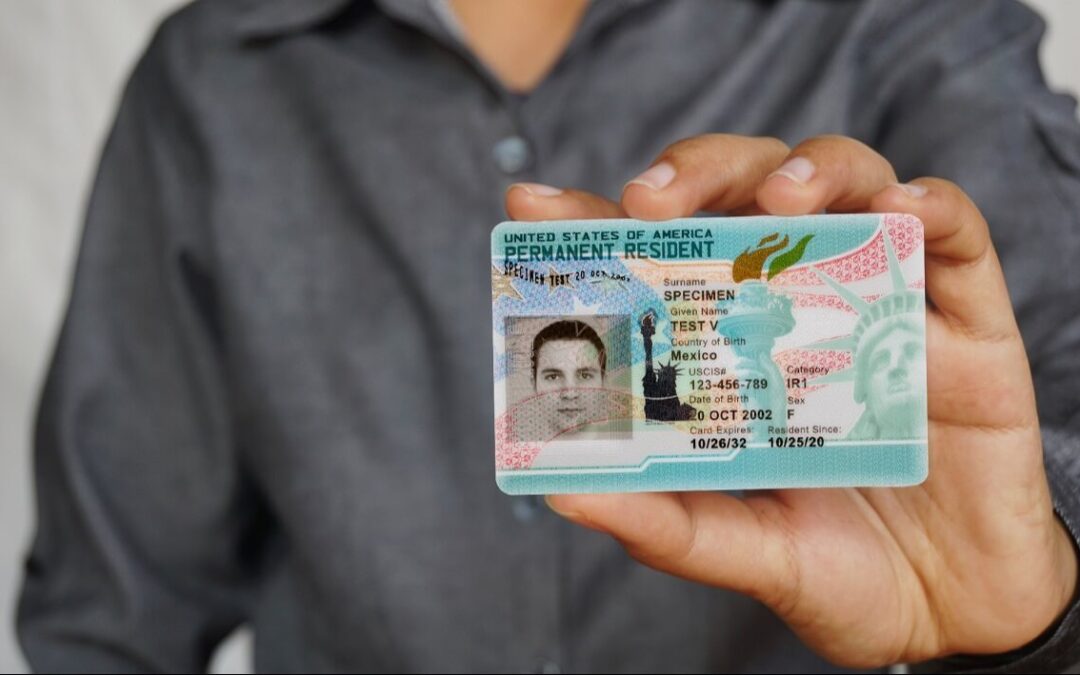
A US federal judge has ruled that immigration authorities cannot indefinitely halt green card applications, calling the policy unlawful and directing officials to resume processing certain cases.
In a 39-page order, George L. Russell III of the United States District Court for the District of Maryland found that the approach adopted by US Citizenship and Immigration Services (USCIS) amounted to an “unlawful, categorical, and indefinite pause.” The ruling affects dozens of applicants already residing legally in the United States.
“USCIS does not have discretion to decide not to adjudicate at all,” the judge wrote, ordering the agency to restart processing for 83 individuals involved in the case.
The dispute centres on a policy that suspended green card processing for immigrants linked to 39 countries subject to travel bans or visa restrictions. While intended to address security concerns tied to new arrivals, the policy also blocked applicants already living in the US from advancing their cases.
Advocacy groups say the impact has been far-reaching. Project Press Unpause estimates that over two million applications have remained pending despite more than $1 billion in fees being collected. A spokesperson for the group told Newsweek that many affected applicants have lived in the US for years, complied with laws, and contributed economically, yet face indefinite delays based solely on their country of birth.
The government had argued that immigration policy falls within executive discretion and that courts should not intervene in how agencies manage applications. However, the court rejected this position, stating that while agencies have discretion, they cannot refuse to process applications altogether.
The pause stemmed from presidential orders under the Immigration and Nationality Act that restricted entry from certain “high-risk” countries. USCIS extended those restrictions to green card adjudications, effectively freezing cases even for lawful residents.
Judge Russell noted that many applicants had maintained legal status in the US for years. While the court ordered USCIS to resume processing for those involved in the lawsuit, it did not impose a strict timeline for final decisions.
In response, USCIS defended the policy, stating that the pause was necessary to ensure thorough vetting of applicants from designated countries and to prioritise national security.
The ruling does not automatically apply to all affected immigrants, but it makes clear that an indefinite, blanket suspension of applications is not permitted under the law.