India has identified key global maritime choke points—especially the Strait of Hormuz—as central to its naval and economic security strategy, amid rising tensions and disruptions in global oil flows.
Why Hormuz matters
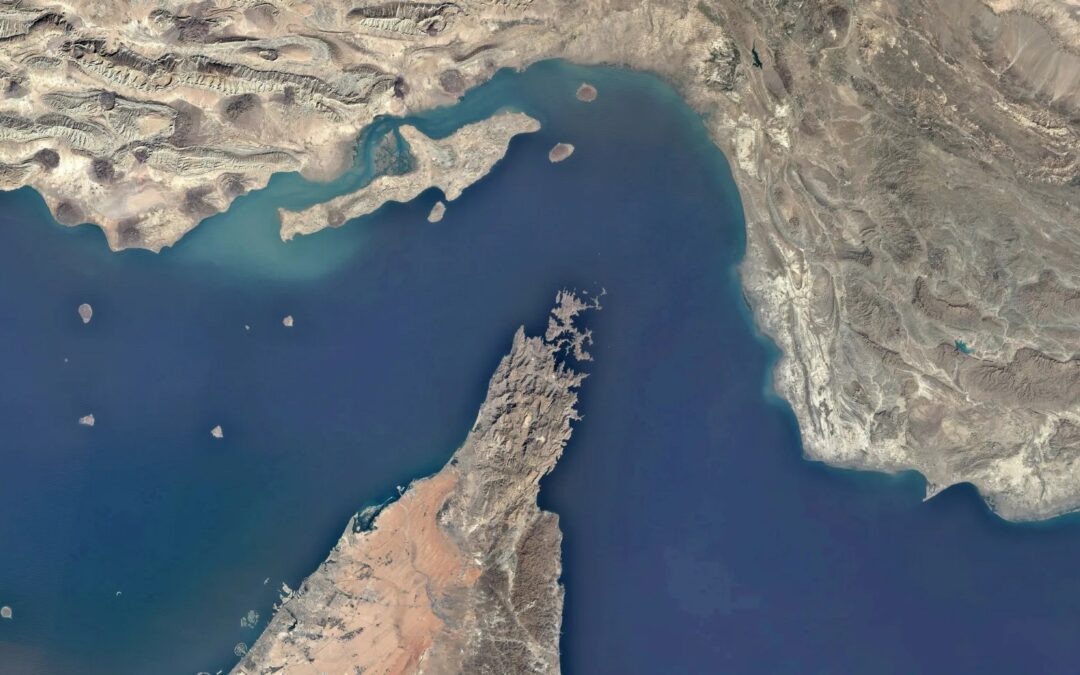
With the ongoing blockade driving up crude oil prices, the Indian Navy has classified Hormuz as a “primary area” of maritime interest in its newly released strategy document under Navy chief Dinesh K Tripathi.
The strait is one of the world’s most critical energy corridors, linking the Persian Gulf to global markets. Any disruption here directly impacts India, which relies heavily on imported crude oil and maritime trade.
The world’s key maritime choke points
The strategy highlights multiple choke points in the Indian Ocean Region (IOR) that shape global trade and energy security, including:
- Suez Canal
- Bab-el-Mandeb
- Strait of Malacca and Singapore Strait
- Sunda Strait and Lombok Strait
- Ombai Strait and Wetar Strait
- Mozambique Channel
- Cape of Good Hope
Among these, the Malacca–Singapore route is especially vital as it connects the Indian Ocean to the Pacific, forming the shortest sea link between the Persian Gulf and East Asia.
Strategic geography and naval focus
India’s “primary areas of maritime interest” extend far beyond its coastline. These include:
- The Arabian Sea, Bay of Bengal, and Andaman Sea
- The Persian Gulf, Gulf of Oman, and Gulf of Aden
- The Red Sea and southwestern Indian Ocean, including East African coasts
The Navy also emphasizes safeguarding sea lines of communication (SLOCs)—the shipping routes that sustain India’s trade, energy imports, and economic growth.
Why this matters for India
India’s dependence on maritime routes goes well beyond oil:
- It imports large quantities of fertilisers like MOP and DAP
- Around 16 million tonnes of edible oil arrive annually by sea
- Maritime trade underpins food security, healthcare supply chains, and industrial production
As India’s global economic footprint grows, its navy is preparing to operate across a wider maritime space—monitoring choke points, ensuring safe passage, and countering disruptions.
Big picture
The inclusion of Hormuz as a “primary area” reflects a clear strategic shift: India is no longer just a regional maritime power but an active stakeholder in global sea lane security.
With geopolitical tensions affecting critical waterways, control and stability of these choke points will remain central to both India’s security calculus and the broader global economy.