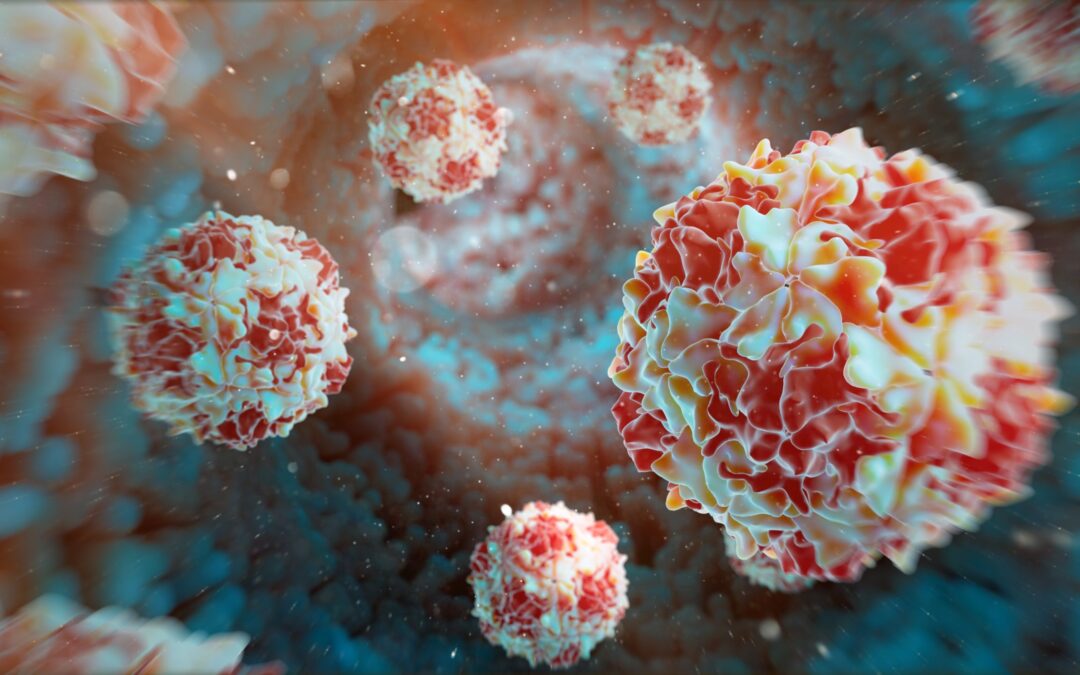
Health authorities in Perth have detected poliovirus in wastewater samples for the first time in years, but stress that the situation does not constitute a public health emergency.
The detection was made in mid-April through Australia’s national surveillance program, which routinely tests sewage as an early warning system. The strain identified is vaccine-derived poliovirus Type 2, which has also been found in wastewater in parts of Europe, Africa and Papua New Guinea.
According to Western Australia’s Chief Health Officer, Dr Clare Huppatz, the risk to the public is extremely low. High immunisation coverage—around 92% among children—means the virus is unlikely to spread widely. Officials emphasised that the finding does not indicate active transmission within the community.
Authorities believe the virus may have entered the system through a traveller returning from overseas who was carrying and shedding the virus. Similar detections in Europe in recent years did not lead to confirmed cases of illness.
The case highlights the difference between vaccine types used globally. Some countries administer the oral polio vaccine, which contains a weakened live virus. In rare circumstances, this can mutate into a vaccine-derived strain capable of spreading in under-immunised populations.
Australia, which has not recorded a locally acquired case of polio since 2000, relies on strong vaccination coverage to prevent outbreaks. While most infections are asymptomatic or mild, the virus can, in rare cases, cause paralysis.
Health officials say the detection is a reminder that polio has not been eradicated worldwide and that maintaining high vaccination rates remains essential.