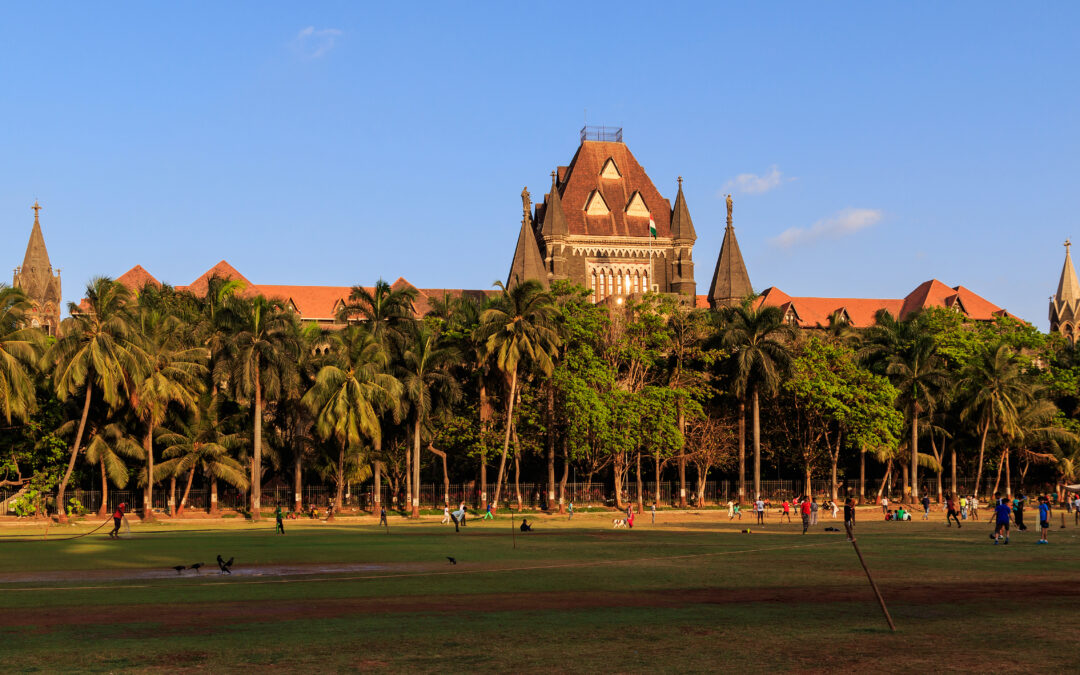
Bombay High Court has observed that the 2006 Malegaon blasts case appears to have reached a “dead end”, citing irreconcilable contradictions between investigations by different agencies while discharging four accused, 13 years after their arrest.
The September 8, 2006 blasts in Malegaon killed 31 people and injured over 300.
“Not a fairy tale”: HC on flawed prosecution
A bench led by Chief Justice Shree Chandrashekhar said criminal trials cannot rely on imagination or inconsistent narratives, pointing to major gaps in the prosecution’s case.
The court found that the case presented by the National Investigation Agency (NIA) relied largely on:
- Hearsay evidence
- Confessions deemed inadmissible
- Retracted statements of previously discharged accused
- A delayed test identification parade conducted six years after the incident
Such material, the court said, lacked evidentiary value.
ATS vs NIA: Two conflicting narratives
The High Court highlighted stark contradictions between the probes conducted by the Maharashtra Anti-Terrorism Squad (ATS) and the NIA.
- ATS had earlier accused members of Students Islamic Movement of India and provided detailed accounts of the conspiracy
- The NIA later presented a completely different version, naming new accused and reconstructing the case around a separate alleged conspiracy
The court noted that these “diagonally opposite” versions could not be reconciled “by any stretch of imagination.”
Evidence deemed weak or inadmissible
The bench also questioned:
- “Discovery” of evidence years later from publicly accessible locations
- Confessions made in police custody without a magistrate present
- Witnesses who gave multiple, inconsistent statements
It reiterated that under the Indian Evidence Act 1872, confessions to police are generally inadmissible unless specific legal conditions are met.
Trial court faulted
The High Court set aside a special NIA court’s order framing charges, stating that the trial judge failed to adequately consider contradictions and the lack of credible evidence.
It emphasised that courts must ensure there is sufficient material before putting an accused through a full criminal trial, especially in serious cases involving charges like murder and terrorism.
Background of the case
The investigation has passed through multiple agencies:
- Initially probed by the ATS, which arrested nine accused (later discharged)
- Taken over by the Central Bureau of Investigation (CBI), which supported the ATS findings
- Later handed to the NIA in 2011, which filed a fresh chargesheet with a different theory
Key takeaway
The High Court’s ruling underscores a critical breakdown in the prosecution’s case, with conflicting investigations, weak evidence, and procedural lapses undermining the possibility of a sustainable trial.