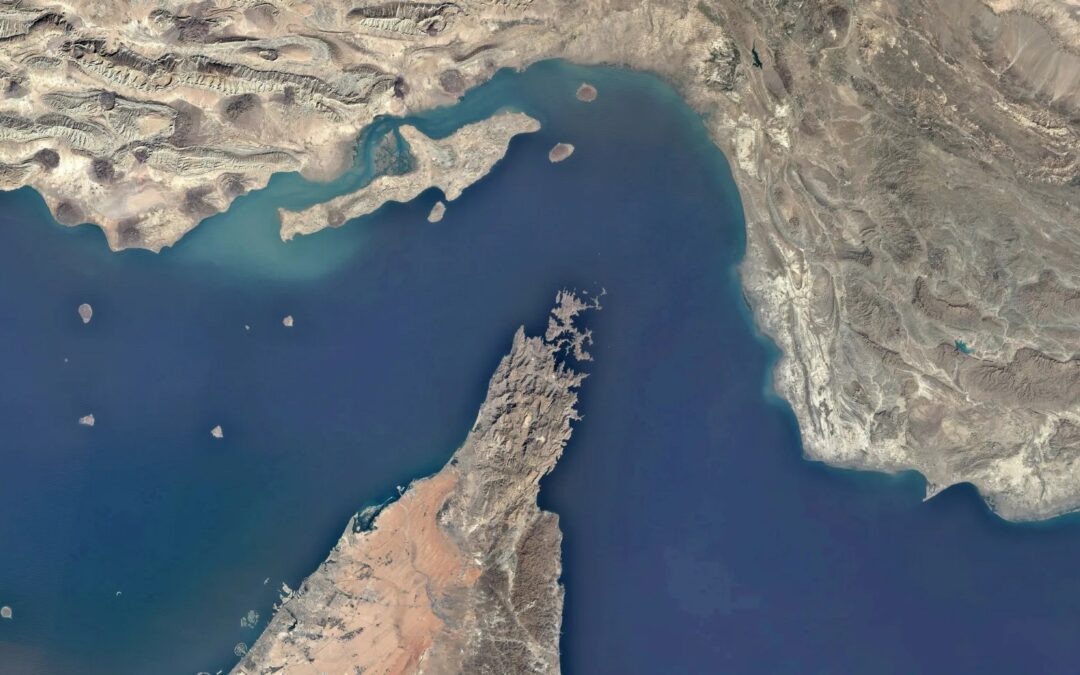
India must carefully reassess its national interests in light of the escalating tensions surrounding the Strait of Hormuz. The second round of negotiations between Iran and the United States has stalled, leaving the situation effectively frozen. While a ceasefire nominally holds, Iran has moved to close the strait, prompting the US to respond with a naval blockade in the Gulf.
Both actions are problematic, as they interfere with what are considered global commons. Meanwhile, Donald Trump has shown little inclination toward constructive negotiation, relying instead on public threats, often delivered through social media. Such rhetoric undermines the possibility of meaningful dialogue.
The dynamics of diplomacy have also been reshaped by the immediacy of social media, creating rapid shifts between escalation and negotiation. These fluctuations are already impacting global commodity prices, currency values, and stock markets—India included.
The US continues to press Iran on three core issues: its nuclear programme, missile and drone capabilities, and regional proxy networks. Iran, however, has taken a more limited stance, signaling a willingness to temporarily restrict uranium enrichment, reduce stockpiles, and accept international monitoring in exchange for sanctions relief and access to frozen assets. Notably, its missile programme and regional alliances remain off the table. Following renewed hostilities, Iran has also insisted on a comprehensive non-aggression pact.
A new flashpoint has emerged in the form of the US naval blockade. While halting active bombing is essential, both the blockade and Iran’s closure of the strait could be interpreted under international law as acts of war.
The critical question now is sustainability. Iran believes it can withstand prolonged pressure, drawing parallels with Afghanistan, where endurance proved decisive. However, time is not a neutral factor here. Unlike remote battlefields, the Strait of Hormuz is a vital global energy artery, and disruptions there carry immediate worldwide consequences.
Currently, the world faces multiple conflicts of varying intensity and duration. The war in Ukraine has dragged on for years, while conflicts in Gaza and Lebanon persist despite heavy losses on all sides. In contrast, the present Iran conflict is relatively recent but already producing significant global repercussions, particularly through disruptions in energy supply.
When questioned about whether the US was at war, Trump responded ambiguously, referring instead to a state of “kinetic peace.” Yet the reality remains that Iran has been attacked twice during ongoing negotiations, blurring the line between diplomacy and conflict.
Iran had anticipated such a scenario and prepared accordingly. Its strategy combined decentralised defence structures, leadership succession planning, regional escalation capabilities, and the potential closure of the Strait of Hormuz. These measures enhanced its resilience against targeted strikes and allowed for coordinated retaliation even under pressure.
Additionally, Iran appears to have improved its surveillance and targeting capabilities. Reports suggest access to advanced satellite imagery, though these claims remain disputed. Regardless, its military responses in this conflict have demonstrated greater precision compared to earlier engagements.
Looking ahead, the prospect of renewed talks remains uncertain. Ultimately, Iran, the US, and regional actors must find a way to coexist, as uninterrupted energy flows are essential for global stability.
Peace will depend on mutual recognition of the costs of continued conflict. If both sides perceive the situation as unsustainable, negotiations may resume. However, if only one side feels the strain, the balance of power will dictate outcomes. The central issue now is whether Iran can convert its military resilience into diplomatic gains—namely sanctions relief and lasting security guarantees—and what concessions it is willing to make to achieve them.