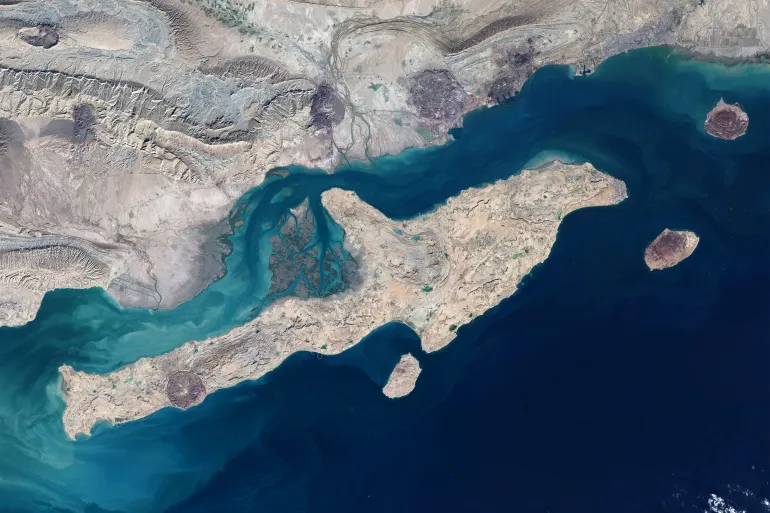
Dry bulk demand growth could be materially constrained through 2027 if disruption persists in the Strait of Hormuz, a route that typically carries about 4% of global dry bulk cargoes and tonne-mile demand, according to BIMCO’s April dry bulk market outlook.
Around 210 dry bulk vessels — roughly 1% of the global fleet — are currently stranded in the Persian Gulf, highlighting the immediate impact on fleet deployment.
BIMCO models two scenarios. Under a prolonged closure, demand growth is limited to up to 1% in 2026 and 0.5% to 1.5% in 2027.
If transits resume in the near term, growth would be about 2.5 percentage points higher in 2026 and 1.5 percentage points higher in 2027.
Fleet supply expansion is expected to remain more stable. Growth is projected at 0.5% to 1.5% in 2026 and 3% to 4% in 2027 in a closure scenario, supported by panamax and supramax deliveries entering service.
The disruption is also delaying a full return of dry bulk trades to the Red Sea. Improved safety conditions would reduce reliance on Cape of Good Hope rerouting, cutting average sailing distances and lowering tonne-mile demand by about 2%.
BIMCO is a non-profit international shipping association with about 2,100 members across 120 countries, representing a substantial share of global merchant shipping capacity. The organisation develops widely used standard shipping contracts and provides regulatory, legal and market analysis services to its members.