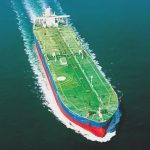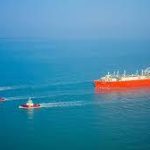
The United States has imposed fresh sanctions on a major China-based oil refinery and around 40 shipping companies and tankers linked to Iranian oil transport, escalating its campaign to choke Tehran’s key revenue stream.
The move targets what Washington describes as an extensive “shadow network” used to move Iranian crude to global markets. It comes amid heightened tensions surrounding the ongoing conflict involving Iran and fragile ceasefire arrangements in the region.
China refinery and shipping network targeted
The US Treasury Department identified a China-based independent refinery, along with dozens of vessels and shipping operators, as part of the latest sanctions package.
The refinery, described as a major buyer of Iranian crude, is among several “teapot” refiners that process discounted oil and operate with limited exposure to the US financial system.
Treasury Secretary Scott Bessent said the measures are part of a wider effort to restrict Iran’s oil income, adding that authorities will continue targeting the network of vessels, intermediaries, and buyers involved in moving Iranian oil to global markets.
‘Financial stranglehold’ strategy
The sanctions form part of Washington’s broader “maximum pressure” campaign aimed at cutting off Iran’s energy exports, which US officials say fund regional militancy and destabilising activities.
The administration described the action as a decisive step to disrupt Iran’s oil trade and limit revenue flows supporting its regional operations. It added that economic pressure would be intensified on Iran and the international network sustaining what it called illicit energy trade under the initiative dubbed “Economic Fury.”
China responds, trade tensions surface
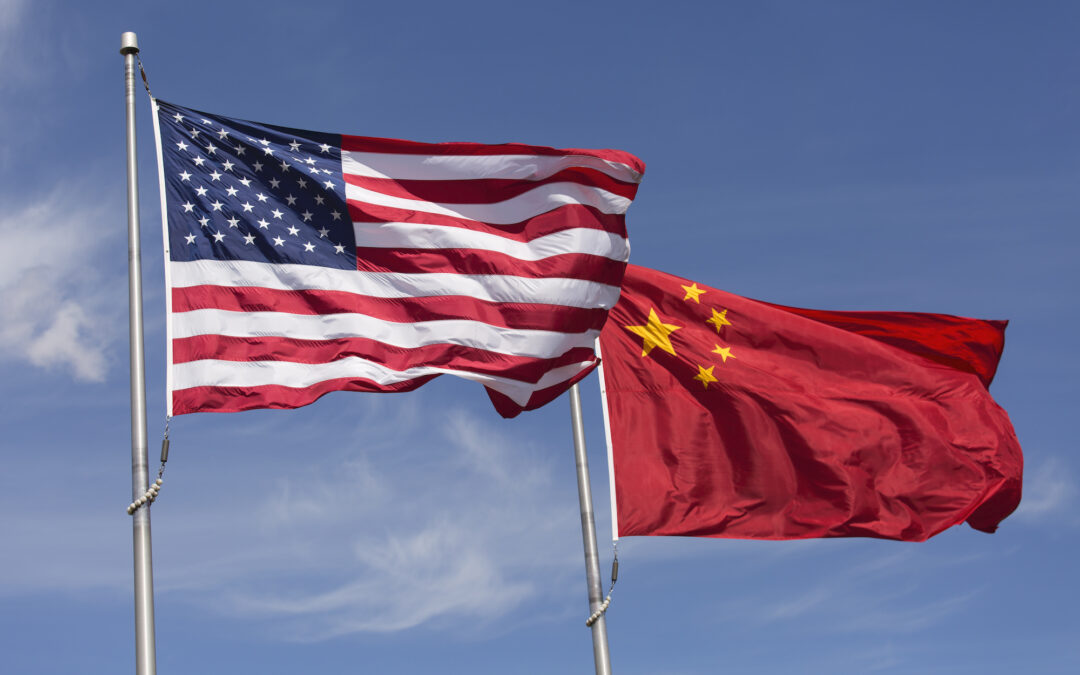
China criticised the move and called on Washington to stop using sanctions as a political tool.
Its embassy in Washington stated that normal trade should not be disrupted and accused the US of abusing unilateral sanctions. Beijing also warned that such measures risk politicising global energy trade and harming legitimate business activity.
Broader pressure on Iran’s oil exports
The sanctions target nearly 40 shipping firms and vessels involved in transporting Iranian crude, further tightening restrictions on what US officials describe as Iran’s illicit oil network.
China remains the largest buyer of Iranian oil, accounting for a significant majority of exports, according to energy analytics estimates. Earlier sanctions have already pushed refiners to rely on alternative trade routes and opaque transactions, with some reportedly paying premiums due to shifting enforcement risks.
The move comes as Washington and Tehran prepare for another round of discussions amid ongoing tensions in the Strait of Hormuz, where maritime disruptions have already impacted global energy flows.