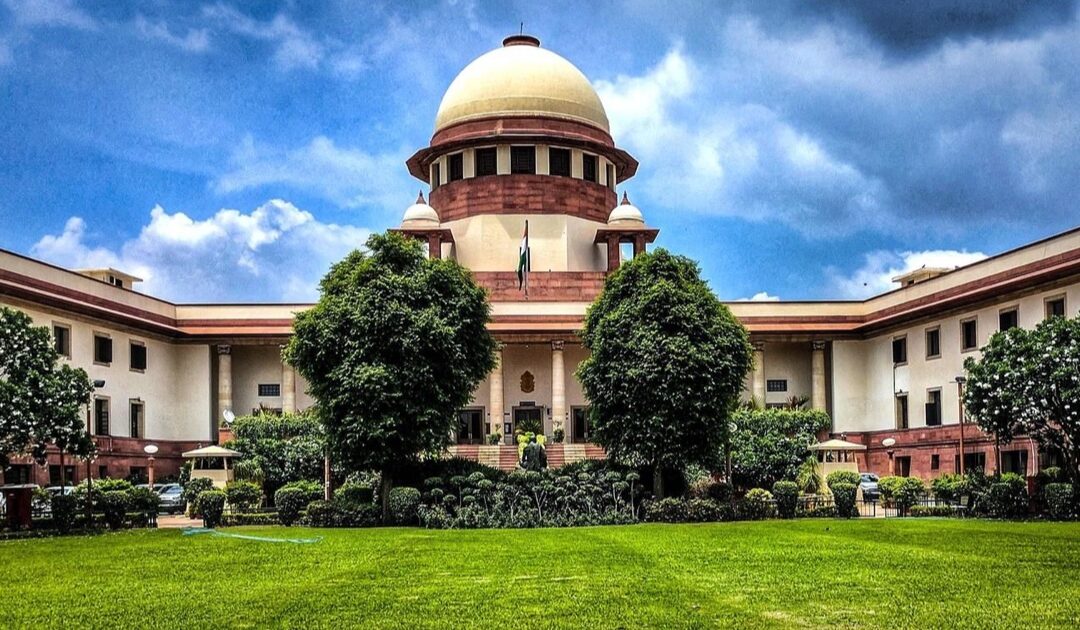
NEW DELHI: The Supreme Court on Friday questioned why children from economically and educationally advanced families within Other Backward Classes (OBCs) should continue to receive the benefit of reservation, especially when their parents have already achieved significant social and professional mobility.
A bench of Justices B. V. Nagarathna and Ujjal Bhuyan made the observations while hearing a plea related to denial of an OBC caste validity certificate on grounds that the applicant belonged to the creamy layer.
“If both parents are IAS officers, why should they have reservations?” the court asked during the hearing.
“With education and economic empowerment, there is social mobility. So then again to seek reservation for the children, we will never get out of it. That is a matter we have to be concerned about,” the bench observed.
The court further remarked that the purpose of reservation would lose meaning if successive generations of financially secure and socially advanced families continued availing quota benefits.
“The parents have studied, they are in good jobs, they are getting good income, and the children want reservation again. See, they should get out of reservation,” the bench said.
The observations came during the hearing of a petition filed by a candidate selected for appointment as an assistant engineer (electrical) in Karnataka Power Transmission Corporation under the reserved category.
However, the district caste and income verification committee denied him a caste validity certificate after concluding that he fell within the creamy layer category, making him ineligible for OBC reservation benefits.
The Supreme Court’s remarks have once again brought attention to the long-standing debate around the creamy layer principle in OBC reservations and whether economically advanced families within backward classes should continue to receive quota benefits across generations.