La Guaira: Tens of thousands of earthquake survivors across Venezuela are struggling to secure food, shelter and basic necessities as the death toll from last week’s twin earthquakes climbed to nearly 2,000. Amid the devastation, rescue workers on Tuesday pulled a three-year-old boy alive from the rubble in a rare sign of hope nearly a week after the disaster.
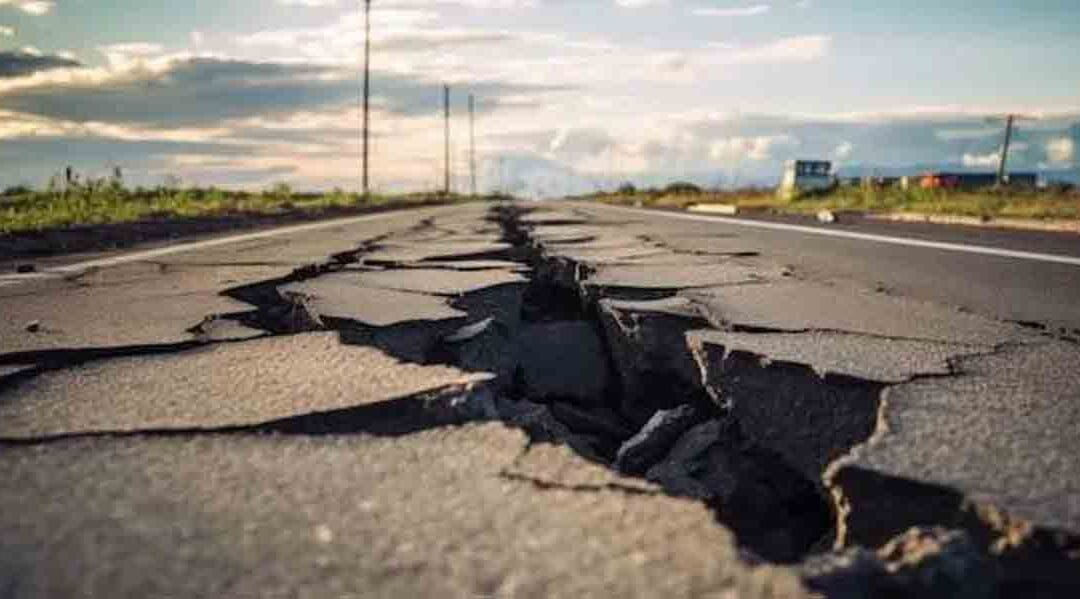
The powerful 7.2- and 7.5-magnitude earthquakes struck last week, collapsing residential buildings, leaving tens of thousands unaccounted for and triggering one of the worst earthquake disasters in Latin American history.
Although hopes of finding more survivors are fading, a Jordanian civil defence team rescued the young boy from the ruins of a house in Caracas six days after the earthquakes. Video footage shared online showed rescuers celebrating as the child, who was reported to be in stable condition, was pulled from the debris.
The widely recognised 72-hour window during which survivors are most likely to be found closed on Saturday, making successful rescues increasingly rare.
Food Shortages and Collapsing Services
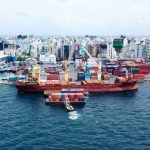
The UN refugee agency said food shortages have become widespread in the hardest-hit port city of La Guaira, where essential services have largely collapsed and communication networks remain severely disrupted.
“They give out supplies here, but sometimes people nearly kill each other for food… it’s like a cockfight,” said 18-year-old street vendor Daniela Armas, who was injured after falling from a motorcycle during the earthquakes.
National Assembly President Jorge Rodriguez said the official death toll had risen to 1,943, while more than 10,500 people had been injured.
Authorities said nearly 6,500 people had been rescued from collapsed buildings in La Guaira, although Rodriguez suggested the actual number of survivors who escaped or were assisted by relatives could be closer to 20,000.
Many Venezuelans have criticised what they describe as the government’s slow response to the disaster, particularly in a country already weakened by years of economic crisis, deteriorating infrastructure and overstretched public services.
The UN refugee agency has appealed for $14.85 million to provide emergency assistance and temporary shelter for 30,000 people over the next six months.
According to a preliminary assessment based on satellite imagery released by NASA, the earthquakes may have damaged or destroyed nearly 58,870 buildings.
The World Health Organization also warned that Venezuela’s healthcare system is under “extreme pressure,” raising concerns over potential outbreaks of vaccine-preventable diseases such as measles and diphtheria because of low immunisation coverage before the disaster.
Families Search Through the Rubble
While international rescue teams from the United States, Mexico and dozens of other countries continue searching with heavy equipment and specially trained dogs, many Venezuelans have begun burying their dead.
Others remain desperately searching for missing relatives using only hand tools or by visiting hospitals and temporary morgues.
“It’s harder not knowing because you ask yourself, ‘What do I do? Where do I look for her?'” said Rosanna Luna, who has been searching for her sister Soraida after their family home collapsed.
At a makeshift morgue near La Guaira’s port, rows of black body bags awaited identification as grieving families searched for news of missing loved ones.
Darvin Silva, 37, recalled spending hours digging through the rubble with sledgehammers and pickaxes to recover the body of his mother.
“The effort it took me to get her out of there with my bare hands… you can’t even begin to imagine,” he said. “I hope that I can now offer her the rest she deserves.”
The United Nations estimates that around 50,000 people remain missing.
Massive Humanitarian Response Underway
The UN estimates that nearly seven million people across Venezuela have been affected by the disaster, which is expected to inflict economic losses of around $6.7 billion, equivalent to roughly 6 per cent of the country’s GDP.
According to the UN, 27 countries have deployed nearly 40 search-and-rescue teams, including more than 2,000 emergency personnel and 160 rescue dogs to assist recovery efforts.
The organisation is also supplying 10,000 body bags, although officials say they hope the final death toll will remain below worst-case projections.
At Caracas’ main public cemetery, crematoriums have been operating at full capacity as families continue to mourn their loved ones.
Outside the temporary morgue in La Guaira, Wilker Molalla waited to identify the remains of relatives believed to have died beneath the rubble.
“My family is there,” he said. “I’m told my sister and her children are there, as well as the children of my brother.”
“There were 11 people in my household,” he added. “Only two of us survived because we were at work.”