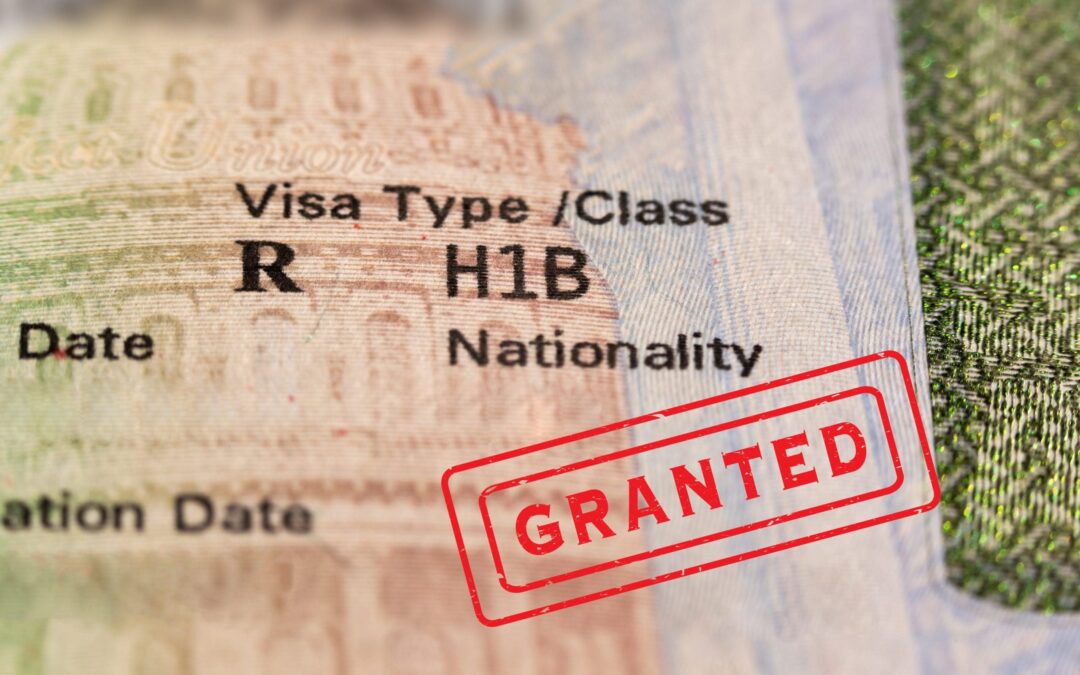
The United States has introduced stricter immigration processing rules, allowing officials to reject incomplete or inadequately documented applications for visas, green cards, citizenship and other immigration benefits without first giving applicants an opportunity to submit additional evidence.
The revised policy, implemented with immediate effect by the US Citizenship and Immigration Services (USCIS), is expected to impact thousands of applicants worldwide, including many Indians seeking to study, work or settle in the United States.
Under the updated guidance, applicants must demonstrate their eligibility for an immigration benefit at the time of filing. If a petition lacks the required initial documentation or fails to establish eligibility, immigration officers may deny the application outright instead of issuing a Request for Evidence (RFE) or a Notice of Intent to Deny (NOID).
USCIS stated that the responsibility rests entirely with applicants to prove they qualify for the requested benefit both when the application is submitted and throughout the adjudication process. The agency noted that its application forms and instructions already specify the documents required, enabling applicants to file complete requests from the outset.
The policy restores broader discretion to immigration officers, reversing a Biden-era practice that generally encouraged officials to issue RFEs before denying incomplete applications. According to USCIS, the earlier approach allowed deficient or “placeholder” applications to remain in the system, slowing the processing of legitimate cases and enabling some applicants to obtain interim benefits, such as work authorisation, while awaiting a final decision.
Under the revised rules, immigration officers may:
- Deny applications that fail to establish eligibility at the time of filing.
- Reject petitions submitted without the required supporting documents.
- Issue an RFE only when they determine additional evidence is necessary before making a decision.
USCIS said the changes are intended to strengthen the integrity of the immigration system, improve processing efficiency and discourage frivolous or incomplete applications that contribute to case backlogs.
The policy applies immediately to all immigration benefit requests pending or filed on or after August 5, 2026, unless existing regulations or USCIS policy provide otherwise.
The new guidance places greater responsibility on applicants seeking employment-based visas, family-sponsored green cards, changes or extensions of status, naturalisation and other immigration benefits to ensure their submissions are complete and properly documented, as they may no longer receive an opportunity to correct deficiencies before a decision is made.