The United States military carried out another strike on a suspected drug-trafficking vessel in the eastern Pacific Ocean, killing one person and leaving two survivors, according to the US Southern Command. The operation forms part of the Trump administration’s intensified campaign against what it describes as “narcoterrorist” networks involved in maritime drug smuggling across Latin America.
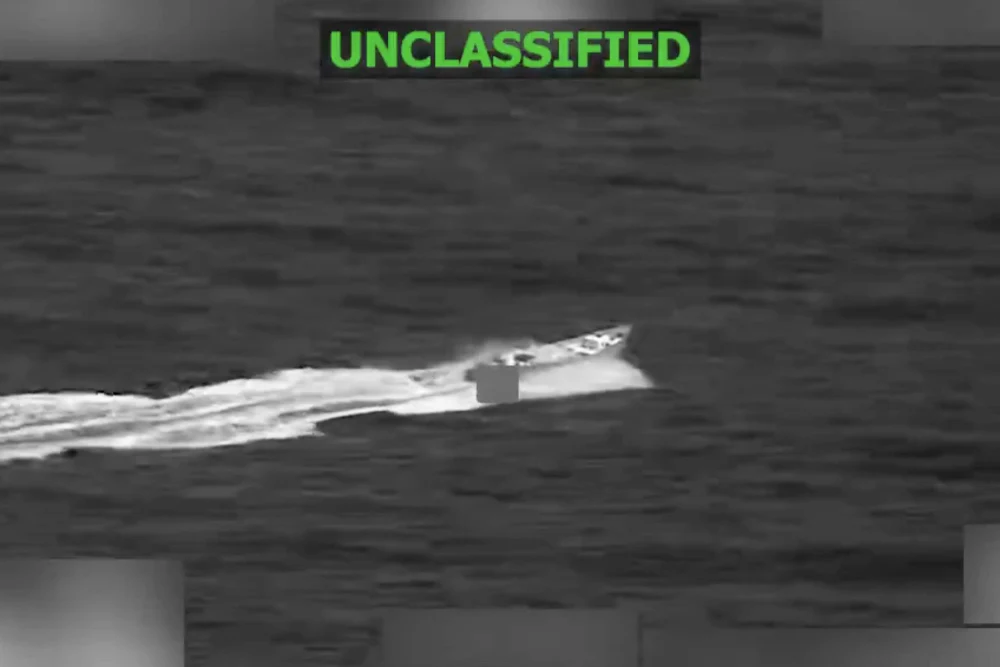
US Southern Command said intelligence reports indicated that the vessel was travelling along a known drug-trafficking route in the eastern Pacific and was actively engaged in narcotics smuggling operations. Footage released by the military showed the boat moving across open waters before being hit and engulfed in flames.
Following the strike, the US military said the Coast Guard was immediately notified to launch search and rescue operations for the survivors. Officials confirmed that no American military personnel were injured during the mission.
The latest operation adds to a growing series of military actions targeting suspected drug-trafficking vessels. According to official figures, at least 208 people have been killed in such strikes since the administration expanded its anti-drug maritime campaign in September.
The White House has framed the crackdown as part of a broader effort to combat transnational criminal organisations responsible for trafficking narcotics into the United States. President Donald Trump has repeatedly argued that military action is necessary to disrupt drug supply chains and address the country’s overdose crisis.
However, the operations have drawn criticism from lawmakers, legal experts, and human rights advocates. Critics argue that the government has provided limited public evidence linking those killed in the strikes to organised drug trafficking activities. Some analysts also question the strategy’s effectiveness, noting that much of the fentanyl entering the United States is transported through land routes in Mexico rather than by sea.
Concerns have also been raised over the legality of certain military actions. One of the earliest operations in September became controversial after reports emerged that survivors of an initial strike were allegedly targeted in a subsequent attack. The administration defended the action as lawful self-defence, while some legal scholars argued that targeting survivors could violate international laws governing armed conflict.
Amid increasing scrutiny, the Pentagon’s Inspector General announced a review of the military’s targeting procedures. The investigation will examine whether established operational protocols were followed during the anti-trafficking missions, though it will not assess the legality of the strikes themselves.
The latest incident is likely to intensify debate over the use of military force in counter-narcotics operations and the broader strategy adopted by the United States to combat drug trafficking networks across the region.