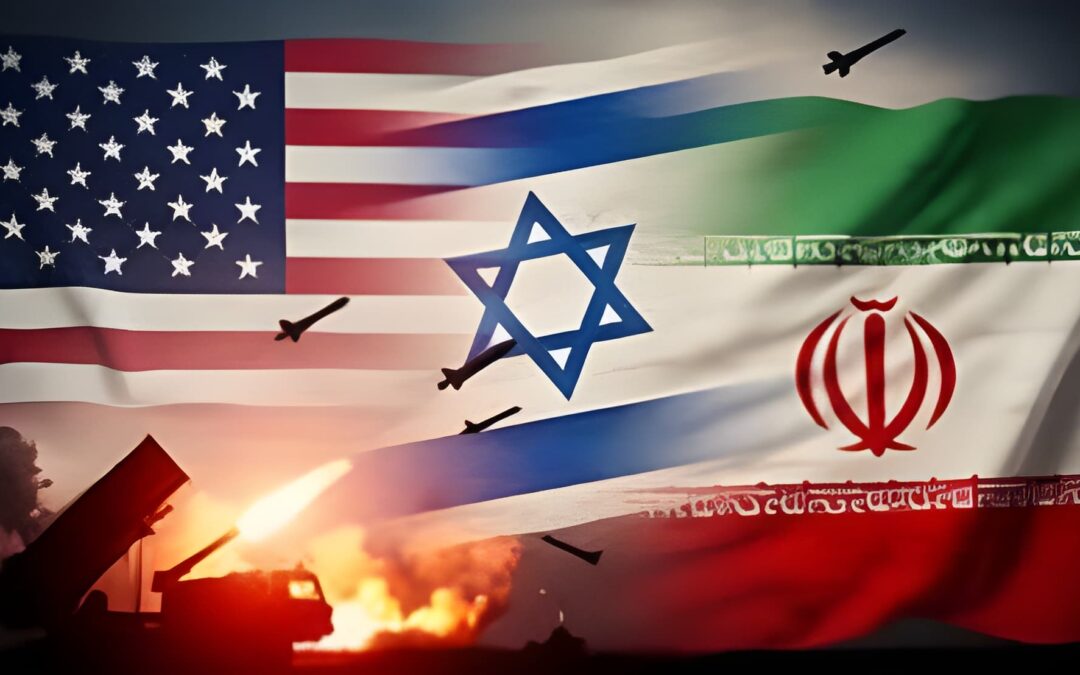
The United States has told several Gulf Arab countries to prepare for a possible short but intense military campaign against Iran after the US midterm elections, amid growing indications that Washington and Israel are preparing for another round of strikes against Tehran, according to people familiar with diplomatic and military discussions.
The preparations could pave the way for a major escalation aimed at weakening Iran’s military capabilities and pressuring its leadership to return to negotiations. However, President Donald Trump has not made a final decision on whether to launch another attack, according to people familiar with his thinking.
The US military has been strengthening its defensive and offensive capabilities in the region. Officials said a Patriot missile defence system was being moved from Texas to reinforce regional air defences, while troops had been relocated from bases considered vulnerable to potential retaliation.
US forces have also been replenishing ammunition supplies, with bomber aircraft and fighter jets preparing for possible operations. An additional aircraft carrier strike group and a Marine expeditionary unit could join the approximately 20 warships operating in the Middle East next month, although some vessels may rotate out.
The White House declined to comment on potential military plans, stating that Trump was keeping all options open to prevent Iran from acquiring nuclear weapons. The president has said he would not attack Iran before the midterm elections.
Trump Weighs Military Action Against Diplomatic Settlement
Trump has indicated that the administration could consider another round of military strikes if Iran does not agree to a negotiated settlement. Regional mediators have continued diplomatic efforts, but the discussions have yet to produce a breakthrough.
A potential campaign could target Iranian infrastructure and nuclear facilities, according to people familiar with the president’s thinking. Israel has also reportedly prepared plans and target lists for renewed military operations, with Prime Minister Benjamin Netanyahu advocating further strikes to weaken Iran.
The possibility of renewed attacks would mark a shift from Washington’s current strategy of economic pressure. Tighter sanctions and a naval blockade have restricted Iran’s oil exports, disrupted air links and reduced overland trade, adding to the country’s economic difficulties.
Some analysts have argued that Washington should maintain economic pressure rather than resume military operations, unless it can establish a clear and publicly articulated justification for further strikes.
Others have cautioned that another bombing campaign may not force Tehran to capitulate. Iran continued to resist US and Israeli military pressure during the earlier conflict and has retained the capacity to threaten shipping, target US forces and maintain a hard-line negotiating position.
Danny Citrinowicz, a former Israeli military intelligence official, warned that further attacks on critical infrastructure or senior officials might not bring down Iran’s government. Instead, he argued, renewed strikes could strengthen the leadership’s determination to pursue its missile and nuclear programmes.
Iran’s Nuclear Facilities Remain a Concern
The US and Israel damaged substantial parts of Iran’s nuclear programme during the conflict in June 2025. However, questions remain over the condition of the facilities and the extent of Iran’s nuclear activities.
International Atomic Energy Agency (IAEA) Director General Rafael Grossi told the United Nations Security Council that the agency had not identified activity to repair or reconstruct facilities damaged in the two conflicts.
However, he said inspectors had not been granted access to the affected sites, preventing the agency from verifying whether Iran had diverted nuclear material.
Washington has pressed Tehran to allow international inspectors to return, but Iran has resisted. One facility attracting particular attention is Pickaxe Mountain, an underground site believed to be protected by hundreds of feet of rock.
Defence analyst Seth Jones of the Center for Strategic and International Studies said a new round of strikes could allow Trump to claim that Iran’s nuclear programme had been set back and subsequently reduce US involvement, even if the attacks failed to eliminate the programme permanently.
Meanwhile, Israeli officials remain concerned about the speed at which Iran is rebuilding its military capabilities. Tehran has reportedly been assembling ballistic missiles using stockpiled components, strengthening its defences and preparing retaliatory plans during the lull in fighting.
Iran Warns of Retaliation Across the Region
Iran has warned through public and private channels that any new attack could trigger retaliatory strikes against economic and civilian targets across the region.
During the previous conflict, Iranian attacks targeted US bases, diplomatic facilities, energy infrastructure and airports across Gulf countries. A renewed confrontation could therefore place regional allies at risk and further strain their missile defence capabilities.
The United States and its Gulf partners are already working to replenish interceptor supplies depleted by earlier waves of Iranian attacks.
The potential for retaliation has added urgency to diplomatic efforts by Middle Eastern mediators seeking to revive negotiations and prevent a fresh round of fighting.
Washington wants discussions to focus on Iran’s nuclear programme, while Tehran has presented demanding conditions for returning to the negotiating table.
With military preparations continuing and diplomatic efforts yet to secure an agreement, the possibility of renewed US and Israeli strikes remains a significant source of uncertainty for the region. The next steps will depend on Trump’s decision and whether mediators can bridge the differences between Washington and Tehran.