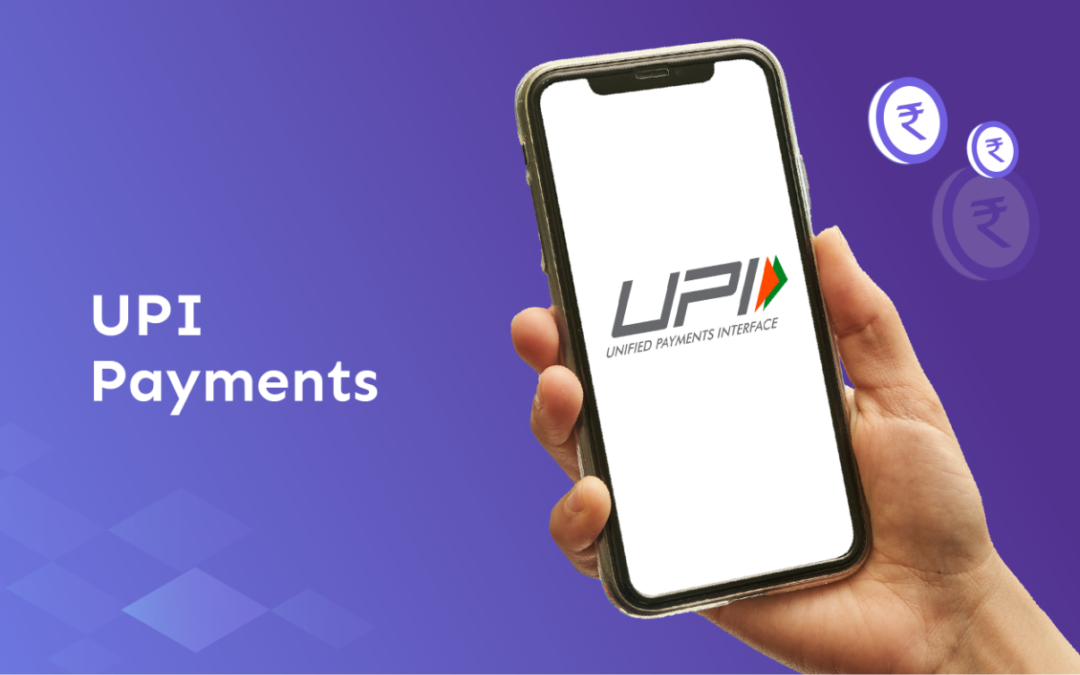
The government on Monday notified that banks and payment system providers cannot levy direct or indirect charges on Unified Payments Interface (UPI) transactions of up to ₹2,000 or payments made using RuPay debit cards.
The notification was issued under Section 10A of the Payment and Settlement Systems Act, 2007. It specifies RuPay-powered debit cards and UPI transactions up to ₹2,000 as electronic modes of payment that must remain free of charge.
“No bank or system provider shall impose, whether directly or indirectly, any charge” on a person making or receiving a payment through these specified electronic modes, the Ministry of Finance said in its notification.
The move ensures that UPI transactions of up to ₹2,000 will continue to be free for users, while potentially paving the way for the introduction of a nominal Merchant Discount Rate (MDR) on certain merchant transactions above a specified threshold.
The government had indicated in August that consumer and person-to-person UPI payments would continue to remain free. According to Reuters, government officials said that if any fee is introduced, it would be borne by merchants rather than consumers.
The government said the proposed changes form part of a broader effort to make India’s digital payments ecosystem more sustainable and competitive while ensuring it can support the country’s rapidly expanding digital economy.
The Finance Ministry also dismissed reports suggesting that external influences were behind the proposed policy changes, calling such claims “unfounded, completely false and misleading.”
UPI, which was launched nearly a decade ago, processed 24.51 billion transactions worth ₹29.82 trillion in August. Google Pay and Walmart-owned PhonePe together accounted for roughly three-fourths of the total UPI transaction volume during the month.