Have you ever had a strong feeling that something was about to happen, only to discover later that your feeling was right? Perhaps you met someone for the first time and immediately felt uneasy without knowing why. Sometimes, you may think about a friend moments before they call you. These experiences are often described as having a “sixth sense.”
The sixth sense is commonly associated with intuition or instinct, but the idea is broader than a mysterious feeling. It can refer to the mind and body detecting information that does not immediately reach conscious awareness. While popular culture presents the sixth sense as supernatural, science suggests that many such experiences can be explained through the brain, body, memory, and perception.
What Exactly Is the Sixth Sense?
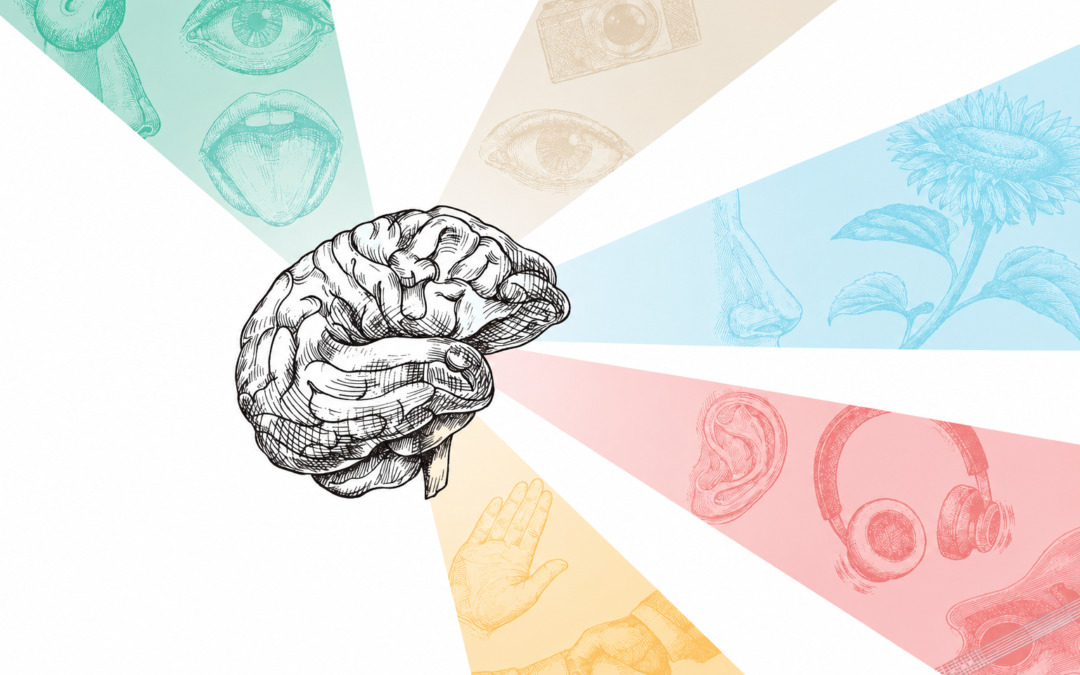
Traditionally, we learn about five senses: sight, hearing, smell, taste, and touch. However, the human body has several other sensory systems. We can sense balance, body position, temperature, pain, and internal bodily changes. These abilities help us understand where we are and what is happening around us.
In everyday language, however, “sixth sense” usually refers to an unexplained awareness or instinct. A person may enter a room and immediately feel that something is wrong. They might not consciously notice the tense expressions, unusual silence, or changes in people’s behaviour, but the brain may register these details and create an immediate impression.
The Science Behind the Feeling
The brain is constantly collecting information. Facial expressions, voices, movements, smells, surroundings, and past experiences are processed continuously. We are aware of only a small part of this activity.
The Subconscious Mind
Previous experiences are especially important. A person’s tone of voice, posture, or facial expression may remind us of an earlier situation. We may not consciously identify the connection, yet we can still experience discomfort or caution.
The Gut-Brain Connection
The phrase “gut feeling” has a physical side as well. The brain and digestive system communicate continuously through the gut-brain axis. Emotions can influence digestion, heart rate, breathing, and muscle tension.
Fear may make the stomach tighten, while nervousness can create butterflies. During stressful situations, the body can react before we have fully understood why we are uncomfortable.
The Sixth Sense and Survival
Quick reactions have always been important for human survival. Our ancestors often had to respond to possible threats without having time to analyse every detail.
Imagine walking through a forest and suddenly hearing a branch snap. The brain immediately asks whether the sound could indicate danger. A rapid reaction can be more useful than waiting for complete certainty.
Modern life still produces similar situations. A pedestrian may step back when a vehicle approaches too quickly. Someone walking alone at night may notice an unusual sound and become more alert. A driver may slow down because traffic feels unpredictable.
These reactions are not necessarily supernatural. They demonstrate the body’s ability to detect possible danger and prepare us to respond.
Can the Sixth Sense Be Wrong?
A strong feeling is not automatically a correct one. Fear, anxiety, stereotypes, personal experiences, and expectations can influence how we interpret situations.
For example, you may meet someone who reminds you of a person you previously disliked. You might immediately distrust them even though they have done nothing wrong. Your response may come from an old association rather than evidence about the new person.
Coincidence can also make intuition seem more accurate than it is. If you think about a friend and they call you soon afterwards, the timing may feel extraordinary. Yet we think about many people throughout the day, and most of those thoughts are not followed by a phone call.
This is why unusual experiences should be observed with curiosity rather than immediately accepted as proof of a supernatural ability.
Intuition and Decision-Making
People use quick judgements every day. We decide whether a situation feels comfortable, whether someone seems trustworthy, or whether a familiar task is going differently than usual.
Experience can make these judgements particularly useful. Someone who has spent years working in a particular environment may recognize a problem almost instantly because they have encountered similar situations before.
However, important decisions require more than a feeling. Financial choices, medical decisions, career changes, and major personal decisions should involve evidence and careful thought.
A useful way to think about intuition is as an early warning signal. It can encourage us to stop, observe, and investigate. Logic can then help us decide what the feeling actually means.
Is the Sixth Sense Supernatural?
Stories about supernatural abilities have existed across cultures for centuries. People have described telepathy, predicting future events, sensing distant occurrences, and communicating with spirits. Such stories continue to influence films, books, and popular culture.
Science, however, requires reliable evidence. There is currently no established scientific evidence that humans possess a supernatural sixth sense that allows them to predict the future or receive information through paranormal means.
This does not mean that people’s experiences are imaginary. A person may genuinely experience a powerful sense that something is about to happen. The question is how that experience should be explained. Unconscious pattern recognition, coincidence, memory, and emotional responses can all contribute.
Can We Improve Awareness?
Although intuition cannot be treated as a magical skill, awareness can be developed. One useful approach is to become more observant. Pay attention to changes in behaviour, surroundings, tone of voice, and physical reactions.
Keeping a journal can also help. If you have a strong impression about something, record what you noticed and what happened afterwards. Over time, this can show whether your judgements are usually accurate or whether certain emotions influence them.
Mindfulness can make people more aware of their thoughts and physical sensations. It encourages observation without immediately reacting. This can help separate a genuine warning from temporary fear or anxiety.
Experience remains one of the strongest influences on accurate judgement. The more familiar we become with a particular environment or activity, the better we may become at recognizing meaningful changes.
The Sixth Sense in Everyday Life
The sixth sense can be seen in ordinary situations rather than only in mysterious stories. A parent may notice that a child is upset from a small change in behaviour. A friend may realise that something is wrong from a person’s voice. A worker may notice that a familiar machine sounds unusual.
In each case, many small pieces of information may be coming together. The conscious mind may not list every detail, but the overall impression can still be strong.
This ability shows how complex human perception really is. We are not simply receiving information through five basic senses. We are constantly combining sensory input, memories, emotions, bodily signals, and learned experience.
Conclusion
The sixth sense remains fascinating because it sits between ordinary perception and mystery. Some experiences that seem extraordinary can be understood through unconscious processing, pattern recognition, memory, and the close relationship between the brain and body.
At the same time, not every unexplained feeling is meaningful, and intuition is not always accurate. Fear, bias, coincidence, and personal expectations can easily influence our judgement. This is why curiosity should be balanced with critical thinking.
Perhaps the most interesting thing about the sixth sense is that it does not need to be supernatural to be remarkable. The human brain can notice patterns, connect memories, interpret signals, and prepare the body to respond often before we consciously understand what is happening.
So, the next time you experience a strange feeling, pause before dismissing it or blindly trusting it. Look around, consider what you may have noticed, and check the evidence. Sometimes, the mystery is not that we know something without reason, but that our minds have already found the clues before we consciously realise it.