The ongoing conflict in the Middle East has cemented America’s position as a global energy-exporting powerhouse, with international demand for U.S. crude, natural gas, and refined products reaching unprecedented levels.
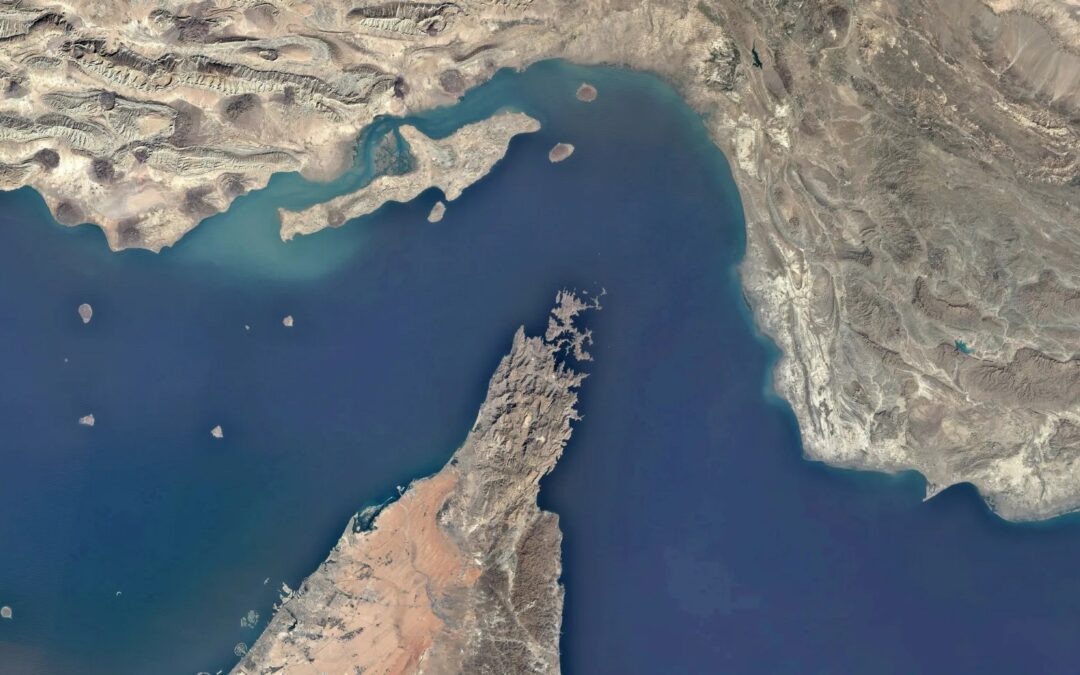
According to the U.S. Energy Information Administration, total exports of crude and petroleum products climbed to a record 12.9 million barrels a day last week, as global markets scramble to replace supply disruptions centered on the Strait of Hormuz and damaged facilities in Qatar.
Infrastructure constraints and geopolitical friction
The frenzy shows little sign of cooling; current data indicate that over 60 empty crude supertankers are currently en route to the U.S. Gulf Coast, roughly triple prewar levels.
The demand surge has bolstered the administration’s “energy dominance” strategy, but energy experts warn that converting this wartime demand into a long-term commercial shift presents significant hurdles.
Major structural impediments remain, particularly in Asia, where refineries are largely optimized for the denser, sourer oil historically sourced from the Middle East. Modifying the existing infrastructure to accommodate American supply would require significant capital and years of engineering, creating a barrier to permanent adoption.
Furthermore, the U.S. Gulf Coast is nearing its own physical throughput capacity, meaning that incremental export growth will be limited until new terminal projects, currently under construction, come fully online over the next 18 to 24 months.
Market outlook: Global shifts in energy strategy
Meanwhile, Europe is navigating its own precarious path. The continent currently relies on U.S. liquefied natural gas (LNG) to replenish storage levels, and leaders are increasingly vocal about the risks of trading one energy dependency for another.
Concerns are mounting that the U.S. may leverage this supply dominance in trade and security negotiations.
Despite the long-term geopolitical and technical concerns, global buyers currently have little choice. The closure of the Strait of Hormuz, which typically manages 10% of global oil supply, has created a supply chasm that only the U.S. is currently positioned to fill.
As long as shipping remains throttled, the U.S. Gulf Coast will remain the primary marginal supplier for global markets.
Source: Investing.com