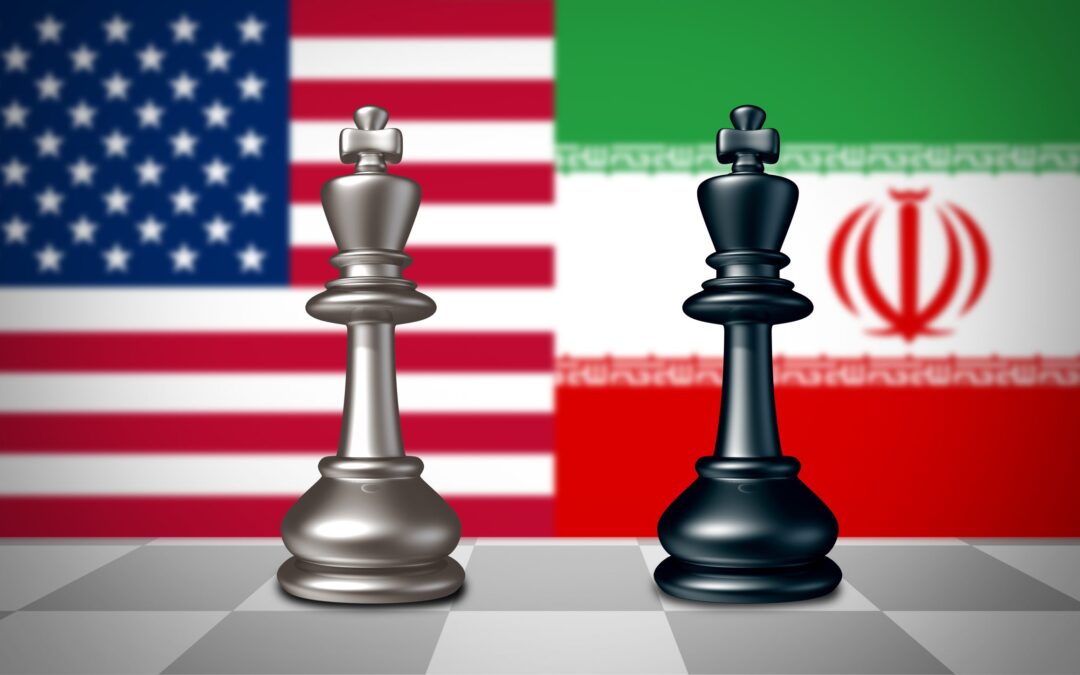
Pakistan Prime Minister Shehbaz Sharif on Wednesday expressed gratitude to US President Donald Trump for extending the ceasefire in the ongoing Iran conflict, saying the move offers a crucial window for diplomacy and a possible path to lasting peace.
In a post on X, Sharif thanked Trump for accepting Pakistan’s request, stating that the extension would allow ongoing diplomatic efforts to move forward. He also conveyed appreciation on behalf of Pakistan’s military leadership, including Field Marshal Syed Asim Munir.
Emphasising Pakistan’s role in mediation, Sharif said the country would continue working toward a negotiated resolution, adding that the “trust and confidence” placed in Islamabad would be upheld through sincere diplomatic engagement.
Hope for breakthrough in Islamabad talks
Sharif voiced optimism about the next round of talks expected to take place in Islamabad. He expressed hope that all sides would honour the ceasefire and use the opportunity to finalise a comprehensive peace agreement aimed at permanently ending the conflict.
The ceasefire extension comes with a condition from the United States that it will remain in place until Iran presents a unified negotiating position and discussions are brought to a conclusion.
Uncertainty persists despite extension
Despite the extension, uncertainty continues to surround the peace process. Iran has yet to formally confirm its participation in the upcoming talks and has indicated it will only engage if negotiations promise meaningful outcomes.
At the same time, the United States has maintained its naval blockade of Iranian ports—an action Tehran has criticised as a violation of the ceasefire.
Global leaders have responded cautiously. United Nations Secretary-General António Guterres described the extension as an “important step toward de-escalation” and urged all parties to build on the opportunity for dialogue.
The conflict has already caused significant casualties, with thousands reported dead across Iran, Lebanon, Israel, and parts of the Gulf since hostilities began.
Pakistan has emerged as a key intermediary, with Prime Minister Sharif, Army Chief Asim Munir, and senior officials actively engaging both sides. However, major sticking points—including the US blockade and concerns over Iran’s nuclear programme—remain unresolved as diplomatic efforts continue.