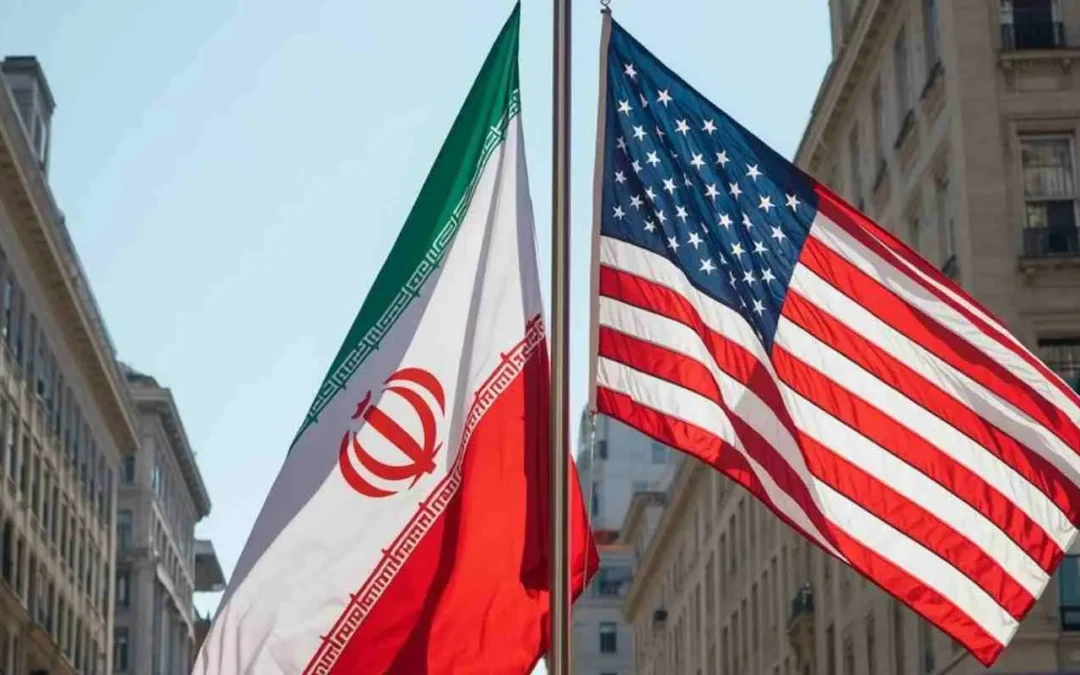
US President Donald Trump has said that Israeli Prime Minister Benjamin Netanyahu would have no option but to accept any agreement reached between Washington and Tehran, stressing that the United States remains firmly in control of the diplomatic process.
In a telephone interview with the Financial Times, Trump asserted that he was the ultimate decision-maker on Iran policy and dismissed any suggestion that Netanyahu could influence the outcome of ongoing negotiations.
“He won’t have any choice. I call the shots. I call all the shots. He doesn’t call the shots,” Trump said, referring to the Israeli leader.
Iran-Israel Exchange Threatens Fragile Calm
Trump’s remarks came after Iran launched 11 missiles toward Israel on Sunday, marking its first direct attack since a regional ceasefire took effect on April 8. The Israeli military responded with strikes on what it described as Iranian military targets in western and central Iran, guided by intelligence assessments.
The exchange represented a significant breach of the truce and raised concerns about its potential impact on ongoing diplomatic efforts between Washington and Tehran.
Trump Dismisses Impact on Negotiations
Despite the escalation, Trump maintained that the latest hostilities would not derail efforts to secure a deal with Iran.
“It’s not going to have any impact on the deal,” he told the Financial Times.
Commenting on the missile attack, Trump downplayed its significance, saying, “We’ll see how it ends up. But they were attacks that did not kick at all. It’s one of those things that’s been going for 3,000 years, or 47 years, depending on how you count.”
Less Certainty Over Timeline for Agreement
While Trump continued to express support for a diplomatic resolution, his latest comments suggested less confidence about how quickly an agreement could be reached.
“I think the deal is going on. We’ll see what happens,” he said when asked about the status of the negotiations.
The US president reiterated that the success or failure of the talks would depend on their own merits rather than recent military developments.
“The deal may make it on its own merit, or not, but this will not have any effect on it,” Trump said.
Military Action or Continued Pressure if Talks Fail
Trump also outlined the options available to Washington should negotiations ultimately collapse.
According to the president, the United States could consider further military measures or continue applying economic pressure through sanctions and restrictions.
“It means two things. Number one, it would mean that possibly we would go in and take care of the rest of the place that we didn’t take care of militarily. Or it would just mean that we would keep the blockade on Iran because the blockade has been probably more powerful than any attack that was ever made on that country,” he said.
Growing Differences Between Washington and Jerusalem
The comments highlighted increasing tensions between the United States and Israel over how to handle Iran.
The Financial Times reported that Trump spoke with Netanyahu following the missile attack and urged him to avoid retaliatory action while Washington continues to pursue a diplomatic settlement with Tehran.
Iran has said its missile strike was carried out in response to an Israeli attack on Hezbollah-linked targets in Beirut’s Dahieh district. Tehran has repeatedly maintained that a durable ceasefire involving Israel and Hezbollah is essential for any broader understanding with the United States.
Diplomacy Faces Ongoing Regional Challenges
Washington and Tehran have been engaged in indirect negotiations for several months, seeking to reduce regional tensions and address key issues including Iran’s nuclear programme and sanctions relief.
However, recurring clashes involving Iran, Israel and Iran-backed groups across the Middle East continue to cast uncertainty over the prospects for a comprehensive agreement, underscoring the fragile balance between diplomacy and military confrontation in the region.