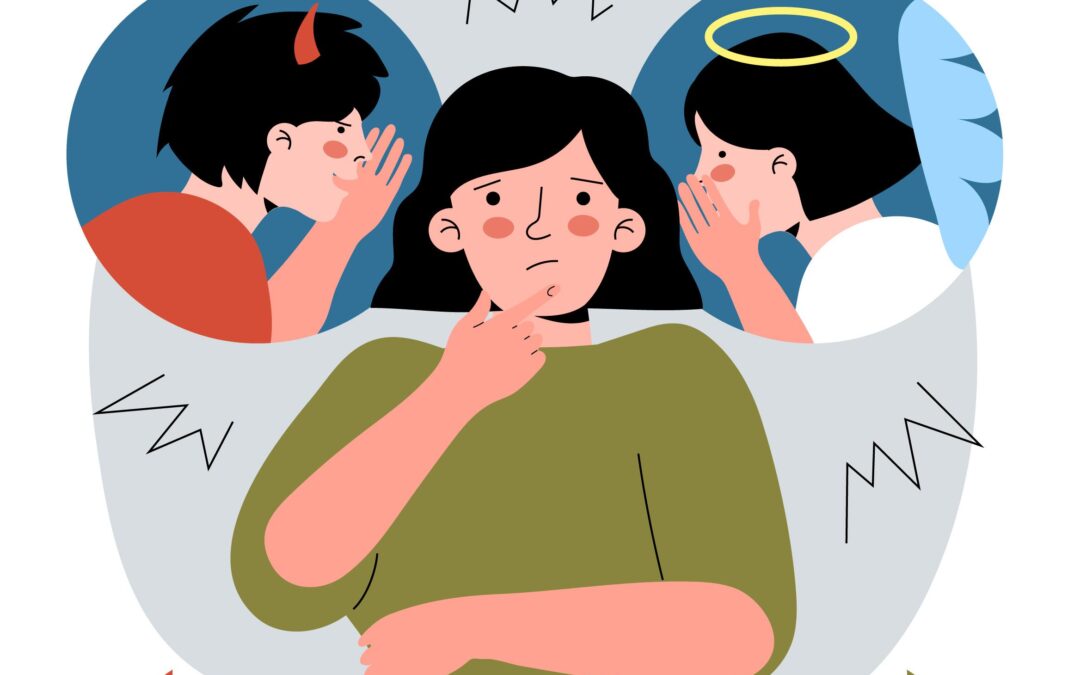
Every day, people around us shape the way we think, feel, and act sometimes without us even noticing. From friends and family to teachers, influencers, and social media, influence plays a powerful role in our lives. It can affect our decisions, behavior, emotions, and even the goals we choose to follow. A simple conversation, opinion, or trend can change how we see the world. Some influences inspire us to grow, while others may lead us in the wrong direction. Understanding how people influence us helps us become more aware, confident, and responsible in making our own choices and staying true to ourselves.
Why Humans Get Influenced
Humans are naturally social beings. We all want to feel accepted, valued, and connected to the people around us. From childhood, we learn by watching others, copying behaviors, and trying to fit into different groups. Whether it’s family, friends, classmates, or online communities, the need for belonging strongly influences the choices we make every day. People often change the way they talk, dress, think, or behave just to feel included and avoid rejection.
This is why influence becomes so powerful. When a group accepts certain trends, opinions, or behaviors, others may follow without even questioning them. For example, a student may start liking a certain style or hobby simply because their friends do. Social media also increases this effect by constantly showing what others are doing, buying, or supporting. Humans fear being left out, so they often imitate what seems popular or socially accepted.
Wanting friendship and connection is completely normal, but it is important to recognize when influence becomes pressure. Healthy influence can motivate people to grow, learn, and improve. However, blindly following others can sometimes lead to poor decisions. Understanding our need for belonging helps us become more self-aware and confident enough to make choices that reflect our true values and personality.
Sources of Influence
- Family Influence
Family is the first place where influence begins. Parents shape our beliefs, habits, manners, and way of thinking from an early age. Many of our behaviors come from childhood conditioning, what we repeatedly saw, heard, or experienced at home. Families also pass down cultural values, traditions, and expectations that affect our identity. Siblings influence our interests, confidence, and even personality traits through comparison or bonding. Sometimes, family expectations can inspire success, while other times they may limit individuality. Many people struggle between becoming who they truly are and who their family expects them to be. That conflict quietly shapes countless life decisions.
- Friend Circle & Peer Pressure
Friends influence us more than we realize. The people we spend time with can shape our personality, confidence, habits, and mindset. Positive peer pressure can motivate growth, better choices, and success, while negative peer pressure may push people toward harmful behavior. Many people copy fashion styles, slang, hobbies, or lifestyles just to feel accepted. Fear of missing out, also known as FOMO, makes people follow trends even when they are uncomfortable with them. Sometimes no one directly forces us, we simply feel silent pressure to fit in. Over time, friend groups can slowly change how a person thinks, behaves, and sees themselves.
- Social Media Influence
Social media has become one of the strongest sources of influence today. Influencers, viral trends, and online opinions constantly shape how people think, dress, and behave. Many users compare their lives to carefully edited posts, creating pressure to look perfect or live a better lifestyle. Trends often control choices without people noticing it. Viral opinions and cancel culture also make people afraid to express different views. Likes, comments, and shares create dopamine rewards that keep users seeking online validation. The biggest problem is that social media often shows fake perfection. It raises an important question: Are your opinions truly your own anymore?
- Emotional Influence
Emotions are highly contagious. The mood of one person can quickly affect an entire group, whether it is positivity, stress, anger, or excitement. People often absorb emotional energy from those around them without realizing it. Some individuals use guilt, sympathy, fear, or emotional manipulation to influence others and control decisions. Toxic positivity can also pressure people to hide real emotions instead of receiving genuine support. Emotionally sensitive people are often easier to influence because feelings can overpower logical thinking. Understanding emotional influence helps people recognize manipulation, protect their mental health, and build relationships based on honesty rather than emotional control or pressure.
- Negative Influence
Negative influence happens when people manipulate emotions, thoughts, or behavior for personal control or benefit. Gaslighting makes someone question their own reality and feelings, while guilt-tripping pressures people into decisions through shame. Emotional blackmail often involves fear, threats, or manipulation to force obedience. In controlling relationships, one person may limit freedom, confidence, or independence. Some people even use fake kindness to gain trust before taking advantage of others. These influences can damage mental health, self-esteem, and decision-making. Recognizing toxic behavior is important for protecting boundaries, emotional well-being, and personal identity.

- Positive Influence
Positive influence helps people grow, improve, and become better versions of themselves. Mentors and role models inspire confidence by sharing wisdom, experience, and guidance. Motivational people encourage others to stay focused during difficult times and believe in their abilities. Healthy competition pushes individuals to work harder, learn new skills, and reach their goals without negativity. Teachers can shape futures by inspiring curiosity, discipline, and ambition. Supportive friends help each other grow emotionally, mentally, and socially through encouragement and honesty. Strong communities also create confidence by making people feel accepted and valued.
Ways to Protect Yourself
Protecting yourself from negative influence is an important life skill. Every day, people, trends, emotions, and social pressure try to shape your decisions. Learning how to stay true to yourself helps you build confidence, peace of mind, and stronger judgment.
- Build Self-Awareness
The first step is understanding yourself deeply. Know your values, goals, strengths, and weaknesses. Self-aware people understand what matters most to them, so they are less likely to be manipulated by others. When you know your priorities, it becomes easier to ignore pressure that distracts you from your future. For example, someone focused on education and personal growth is less likely to follow harmful trends just to fit in.
- Think Critically
Do not blindly believe everything you hear online or from other people. Question trends, opinions, social media content, and advice before accepting them as truth. Ask yourself simple but powerful questions: Is this true? Is this helpful? Am I doing this because I genuinely want to? Critical thinking helps people make smarter choices instead of reacting emotionally or following the crowd without understanding the consequences.
- Learn to Say “No”
Many people fear saying no because they worry about rejection or judgment. However, saying no is actually a sign of confidence and self-respect. Refusing harmful behavior protects your future, mental health, and personal values. For example, rejecting peer pressure to participate in risky activities shows strength, not weakness. Strong boundaries protect people from regret and manipulation.
- Choose the Right Company
The people around you strongly influence your mindset, habits, and decisions. Positive friends and supportive mentors can motivate growth, while toxic people can drain confidence and encourage unhealthy behavior. Surround yourself with honest, encouraging individuals who inspire you to improve. A powerful truth is: your environment shapes your behavior. The right company can completely change your direction in life.
- Recognize Manipulation
Manipulation can appear in many forms, including guilt-tripping, emotional blackmail, gaslighting, controlling behavior, and fake kindness used for personal gain. Recognizing these signs helps you avoid emotional control. If someone constantly makes you feel guilty just to control your decisions, that is manipulation not care or love.
- Develop Confidence
Confident people depend less on others’ approval. Confidence helps people trust themselves, resist pressure, and make independent choices. You can build confidence by learning new skills, setting personal goals, practicing self-respect, and accepting mistakes as part of growth.
- Control Your Emotions
Strong emotions can weaken judgment and lead to impulsive decisions. Calm thinking helps people respond wisely instead of reacting emotionally. Learning emotional control improves decision-making and protects you from being easily influenced during stressful situations.
Conclusion
Influence is a powerful part of human life, but awareness gives people control over their choices. By thinking independently, building confidence, and surrounding yourself with positive influences, you can protect your identity and values. The goal is not to avoid influence completely, but to choose wisely who and what deserves to shape your life.