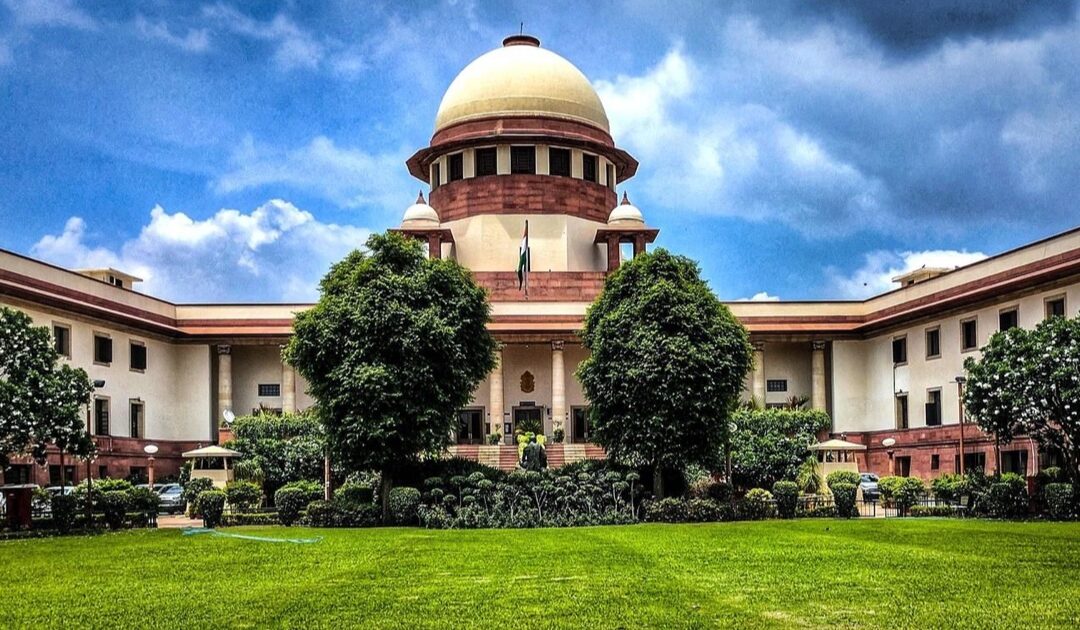
The Supreme Court has directed the Reserve Bank of India (RBI) to strengthen safeguards against digital arrest frauds, emphasizing that banks must compensate victims if their failure contributes to the fraud. It also called for the prosecution of bank officials found colluding with fraudsters.
The court highlighted that 21,928 digital arrest fraud complaints involving more than ₹647 crore were reported during the first eight months of 2026, according to the Indian Cybercrime Coordination Centre (I4C).
A bench headed by Chief Justice Surya Kant said banks must introduce systems to flag unusual or unusually large transactions, particularly in accounts belonging to senior citizens. It stressed that financial institutions should be held accountable for failures that enable fraudulent transfers.
The RBI is expected to notify revised Know Your Customer (KYC) guidelines by November 30. The Supreme Court has sought an opportunity to examine the draft before it is finalised.
The court also asked WhatsApp to suggest measures to prevent digital arrest scams, including assessing the feasibility of automatically disconnecting prolonged video calls. The platform informed the court that it had independently banned 9,400 accounts.
Digital arrest scams involve fraudsters impersonating police officers or government agencies and coercing victims into transferring money through prolonged video calls. The Supreme Court took up the issue after a 73-year-old woman reported losing more than ₹1 crore to such a fraud.