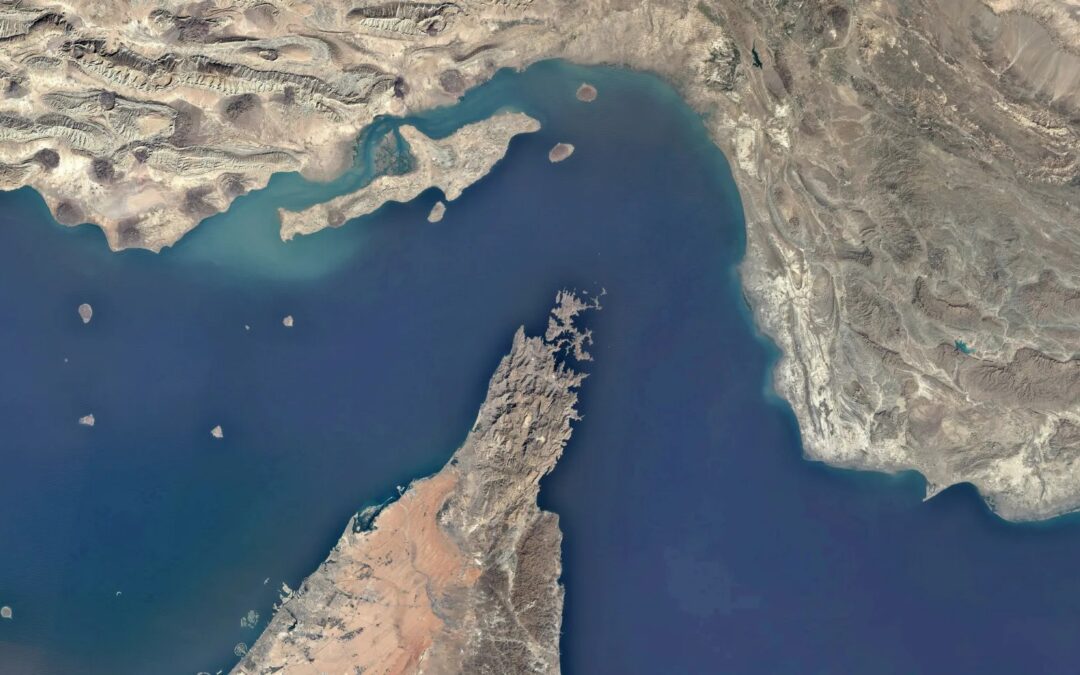
U.S. President Donald Trump on Sunday announced that the U.S. Navy would begin an immediate blockade of the Strait of Hormuz, following the collapse of high-stakes diplomatic talks with Iran.
The negotiations, led by Vice President J. D. Vance, ended without agreement after overnight discussions in Islamabad, prompting Washington to escalate its response.
In a strongly worded statement, Trump said the blockade was aimed at preventing Iran from profiting through what he described as “illegal extortion.” He warned of further military action, adding that U.S. forces were prepared to act decisively if required.
The Strait of Hormuz, a critical global shipping route, carries nearly 20% of the world’s energy supplies. Any attempt to block it—by the U.S., Iran, or any other country—would likely violate the United Nations Convention on the Law of the Sea, which classifies it as an international waterway.
While Trump asserted that the U.S. would face minimal direct impact, a blockade could have severe consequences for major energy-importing nations such as China, India, Japan, and South Korea, all of which rely heavily on shipments passing through the strait.
The move could also disrupt exports from key U.S. allies in the region, including Saudi Arabia, Kuwait, Qatar, and the UAE. At the same time, it may create opportunities for the U.S., a major energy producer, to benefit from potential supply disruptions.
Trump further stated that the U.S. Navy had been instructed to intercept vessels in international waters that had paid alleged tolls to Iran, warning that such ships would not be guaranteed safe passage.
Although there is no confirmed evidence of any formal toll system, reports suggest that some shipping operators may have engaged in informal arrangements to ensure safe transit. Prior to recent escalations involving Israel and the U.S., there had been no official blockade or widely acknowledged system of toll collection in the strait.
The situation marks a significant escalation in regional tensions, with potentially far-reaching geopolitical and economic implications.