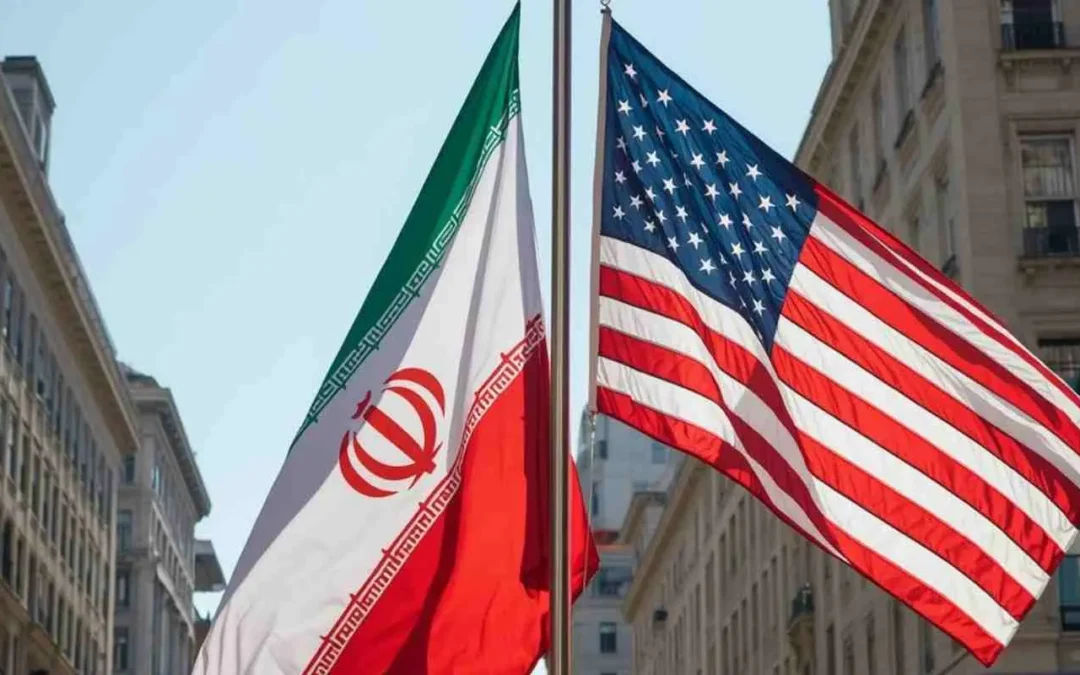
World leaders on Monday welcomed the landmark peace agreement announced between the United States and Iran, calling it a major diplomatic breakthrough that could ease regional tensions, reopen critical maritime routes, and boost the global economy after months of conflict in West Asia.
The agreement, which is expected to be formally signed in Switzerland on June 19, has received widespread support from regional and international leaders, who view it as a significant step toward restoring stability in the Middle East and ensuring the uninterrupted flow of global trade through the Strait of Hormuz.
Qatar’s Prime Minister Sheikh Mohammed bin Abdulrahman bin Jassim Al Thani hailed the memorandum of understanding between Washington and Tehran, describing it as an important move toward sustainable peace and economic growth. Qatar’s Foreign Ministry also praised Pakistan and other international stakeholders for their efforts in reducing tensions and facilitating dialogue.
Turkish President Recep Tayyip Erdogan welcomed the development, expressing hope that the agreement would contribute to lasting peace and security across the region. He also cautioned against actions that could undermine the diplomatic progress achieved so far and acknowledged the role played by Pakistan, Qatar, and Saudi Arabia in supporting negotiations.
British Prime Minister Keir Starmer described the accord as a crucial step toward ending hostilities and restoring regional stability. He emphasized the importance of fully implementing the agreement and reiterated the United Kingdom’s position that Iran must never acquire nuclear weapons. Starmer also offered Britain’s support for future technical negotiations and maritime security operations aimed at reopening vital shipping lanes.
German Chancellor Friedrich Merz praised the agreement as a diplomatic success with global significance, stating that it could help strengthen international economic confidence while enhancing security across the Middle East.
French President Emmanuel Macron similarly welcomed the breakthrough, stressing the urgent need to fully reopen the Strait of Hormuz and restore maritime traffic. He noted that France and the United Kingdom were prepared to assist international efforts to ensure safe navigation and regional stability. Macron also called for broader discussions addressing Iran’s nuclear ambitions, ballistic missile programme, and wider security concerns.
The international response followed US President Donald Trump’s announcement that negotiations had concluded successfully.
“The deal with the Islamic Republic of Iran is now complete. Congratulations to all,” Trump wrote on Truth Social, adding that the agreement would allow global shipping and energy supplies to resume normal operations.
Pakistan Prime Minister Shehbaz Sharif, whose government played a central mediating role, confirmed that both sides had agreed to permanently end military operations and move toward a comprehensive peace framework. He stated that preparatory meetings would be held before the official signing ceremony to finalize implementation mechanisms and technical arrangements.
Diplomatic observers believe the agreement could mark a turning point for West Asia, potentially reducing geopolitical risks, stabilizing energy markets, and creating conditions for long-term regional cooperation. With the formal signing expected later this week, attention will now shift to the implementation phase and the durability of commitments made by both sides.