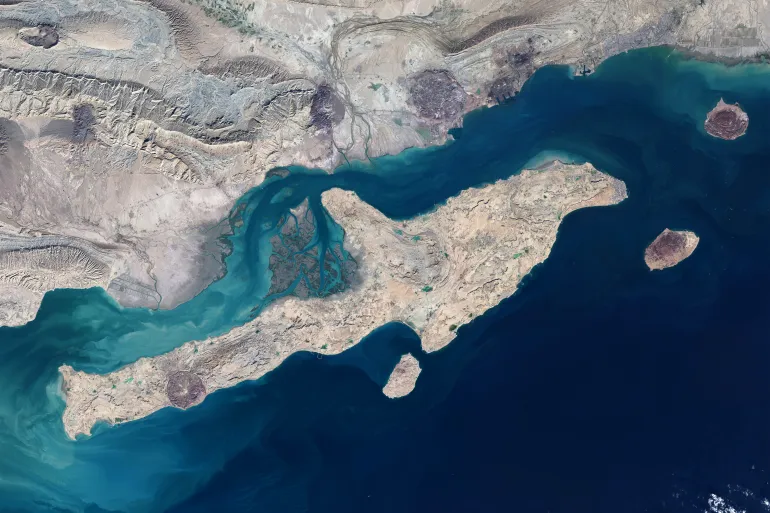
Oil prices moved higher on Monday as continued tensions in the Middle East kept markets unsettled after US President Donald Trump rejected an Iranian proposal aimed at ending the conflict and reopening the Strait of Hormuz.
Oil markets have remained volatile for seven months, following joint US-Israeli strikes on Iran that began on February 28.
Brent crude rose 1.18% to $105.50 a barrel, while US West Texas Intermediate (WTI) increased 0.77% to $93.12.
The latest price movement came after Iran presented a peace proposal at the United Nations General Assembly in New York the previous week. Tehran said the proposal had been communicated to Washington through Qatari mediators.
Trump rejected the proposal on Saturday. However, in an interview with Axios, he said US negotiators were expected to hold further discussions during the week, leaving the possibility of renewed talks open.
Regional Tensions Remain High
Tensions in the region also remained elevated following an announcement from the Saudi-led coalition operating in Yemen.
The coalition said on Saturday that it had intercepted two ballistic missiles and two drones launched towards Saudi Arabia by the Iran-backed Houthi movement.
The latest increase in oil prices followed a mixed performance in the previous week. Brent crude gained around 0.4% over the week, while WTI fell 7.9% amid concerns that the United States could restrict diesel exports in an effort to bring down elevated domestic prices.
A potential restriction on US diesel exports could affect refinery operations and reduce production. It could also tighten diesel supplies in international markets, with European prices particularly sensitive to the prospect of reduced American exports.
Middle East Oil Exports Recover
Despite continuing geopolitical tensions, crude exports from several major Middle Eastern producers increased in September.
Preliminary data from Kpler showed that crude exports from key producers had reached around 12.8 million barrels per day, the highest level since the conflict began in February.
Saudi Arabia and the United Arab Emirates contributed to the increase by raising their exports.
The recovery was also linked to higher volumes moving through the Strait of Hormuz, one of the world’s most important oil shipping routes. Flows through the waterway were expected to reach approximately 7.4 million barrels per day during the month.
Saudi Arabia also shifted some exports from the Red Sea port of Yanbu to Ras Tanura on its eastern coast after attacks damaged its East-West pipeline. The change in shipping routes contributed to the increase in crude flows through the Strait of Hormuz.
The developments come as global oil markets continue to closely monitor geopolitical tensions, shipping activity through the Strait and potential changes in US energy policy.