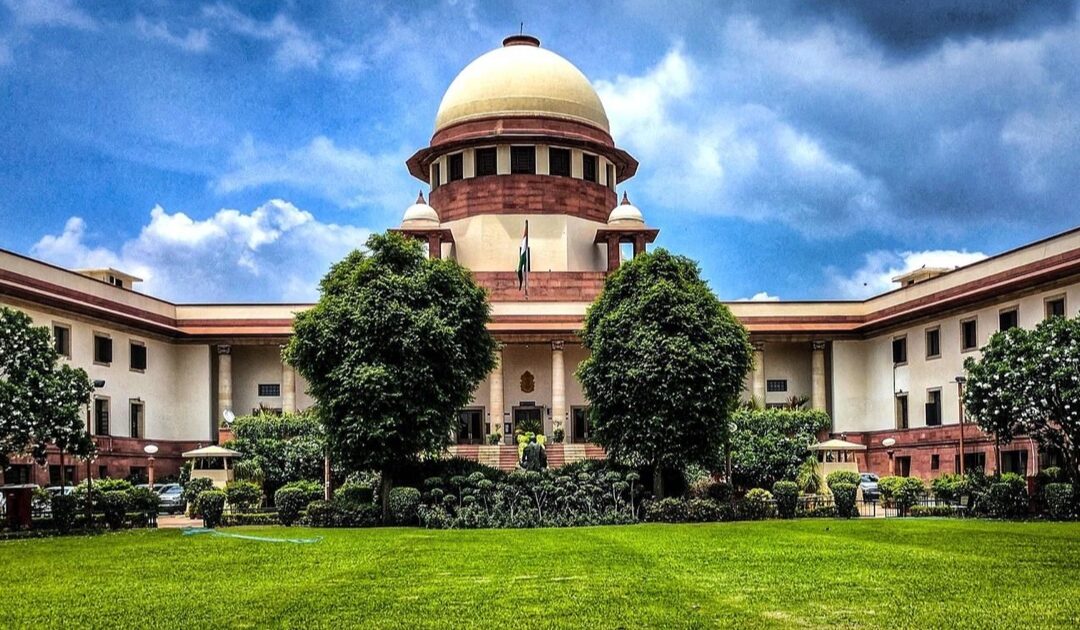
NEW DELHI: In a rare acknowledgment of executive influence, the Supreme Court collegium—headed by Chief Justice of India B.R. Gavai—has disclosed that it changed the transfer of Justice Atul Sreedharan of the Madhya Pradesh High Court following an objection raised by the Union government.
Initially, the collegium had, during its August 25–26 meeting, recommended Justice Sreedharan’s transfer to the Chhattisgarh High Court. However, in a fresh statement released on October 14, the collegium said it had acceded to the Centre’s request to reconsider the move and instead resolved to transfer him to the Allahabad High Court.
The reason behind this change, sources said, is significant — Justice Sreedharan would have been senior enough to be part of the High Court collegium in Chhattisgarh, but not in Allahabad. The revelation has sparked concern within legal circles about the Centre’s growing sway over judicial transfers.
Under past Supreme Court rulings, the collegium system — comprising the CJI and the four senior-most judges — enjoys primacy in judicial appointments and transfers. However, recent trends show that while the government has cleared Supreme Court judge appointments swiftly, sometimes within 48 hours, it has selectively delayed or blocked transfers recommended by the collegium.
Legal experts note that these delays create an awkward limbo for affected judges, who are left uncertain whether to continue hearing long cases or wind up their pending work.
A similar episode occurred in 2016, when the collegium led by then CJI Dipak Misra had proposed transferring Justice Jayant Patil—known for ordering a probe in the Ishrat Jahan case—from Karnataka HC to Bombay HC. After the government objected, the collegium hastily altered his posting to Allahabad HC, prompting Justice Patil to resign.
The latest episode, observers say, underscores a troubling pattern: while the collegium formally retains independence, the executive’s informal veto power continues to shape the judiciary’s internal movements—blurring the separation of powers envisioned under the Constitution.