Russia’s maritime military supply network has come under increasing pressure following drone attacks on two Russian cargo vessels within a 24-hour period in the Gulf of Finland and at the Libyan port of Benghazi.
The two vessels, which form part of a coordinated network of Russian cargo ships involved in transporting weapons and military equipment to Africa, were reportedly targeted in separate operations attributed to Ukraine.
On November 21, drones struck the US-sanctioned roll-on/roll-off (RoRo) cargo vessel SPARTA II (IMO 9160994) in the Gulf of Finland while it was sailing from St. Petersburg towards Baltiysk. The vessel had regularly operated between the two Russian ports over the preceding 12 months.
The following day, Ukraine announced that it had deployed naval drones to attack and sink the Russian corvette MERKURY at Benghazi, Libya. Russian RoRo cargo vessel ANGARA (IMO 9179842) was also reportedly damaged during the operation.
The incidents highlight the growing vulnerability of Russia’s maritime logistics network, particularly its Baltic-based shipping operations supporting military activities and strategic interests in Africa.
MERKURY Believed to Have Escorted Russian Cargo Convoy into the Mediterranean
The Russian corvette MERKURY is believed to have escorted ANGARA and four other cargo vessels involved in transporting military equipment through the Mediterranean earlier in November.
Tracking data reportedly showed the vessels departing the Baltic Sea, passing through the English Channel and heading towards the Strait of Gibraltar. Several ships switched off their Automatic Identification System (AIS) transmissions within a period of three days, apparently obscuring their destinations and subsequent movements.
The coordinated movements suggest that the vessels may have been operating as part of a wider Russian military supply operation.
Russia’s Baltic Military Sealift Under Attack Across Two Fronts
Between August and October, three cargo vessels, ASCALON (IMO 9198226), LADY R (IMO 9161003) and ANGARA, were tracked at the same anchorage near the Kronstadt naval base close to St. Petersburg.
From mid-October, ASCALON and LADY R moved towards Baltiysk, located in Russia’s Kaliningrad exclave.
Another vessel associated with the network, ANASTASIIA (IMO 9349291), subsequently joined ASCALON. The two ships departed Kaliningrad around October 29 and sailed through the English Channel towards the Strait of Gibraltar.
On November 13, both vessels reportedly switched off their AIS transmissions at almost exactly the same time, just east of Gibraltar.
Meanwhile, ANGARA loaded cargo at the Bronka terminal in St. Petersburg and departed around October 26, following a similar route towards the Mediterranean.
After making a brief port call at Oran, Algeria, between November 9 and 10, ANGARA remained in waters off the Algerian coast before disabling its AIS transmission around November 11.
These movements have raised further questions about the destination and operational purpose of the Russian cargo shipments.
French Warship Monitors Another Russian Convoy near Ushant
A separate group of Russian cargo vessels also departed the Baltic during November.
LADY D (IMO 9349289) and MAIA-1 (IMO 9358010) joined LADY R before leaving Kaliningrad on November 5. The three vessels subsequently transited the English Channel on November 11 and were believed to be heading towards the Strait of Gibraltar.
On November 12, all three ships switched off their AIS transmissions near the French coast of Ushant within a four-minute period.
According to Windward’s All-Source Operational Intelligence, a French naval vessel was observed monitoring the three cargo ships alongside a Russian naval tanker.
ANGARA’s prolonged presence off the Algerian coast has led to the assessment that the vessel was potentially waiting to join MERKURY and other ships in the network, with eastern Libya considered a likely common destination.
SPARTA II Attack Creates a Sensitive Situation for Finland
The drone strike against SPARTA II presented a particularly sensitive situation for the Finnish government after the damaged vessel drifted into Finnish territorial waters.
Russian support vessels were subsequently required to tow the disabled ship away from the area.
The incident reflects the increasing security challenges facing commercial shipping in the Baltic region, where several merchant vessels operating from Russian ports have reportedly been targeted since 2023.
Although Ukraine has been blamed for some of these incidents, it has not publicly acknowledged responsibility for the earlier attacks.
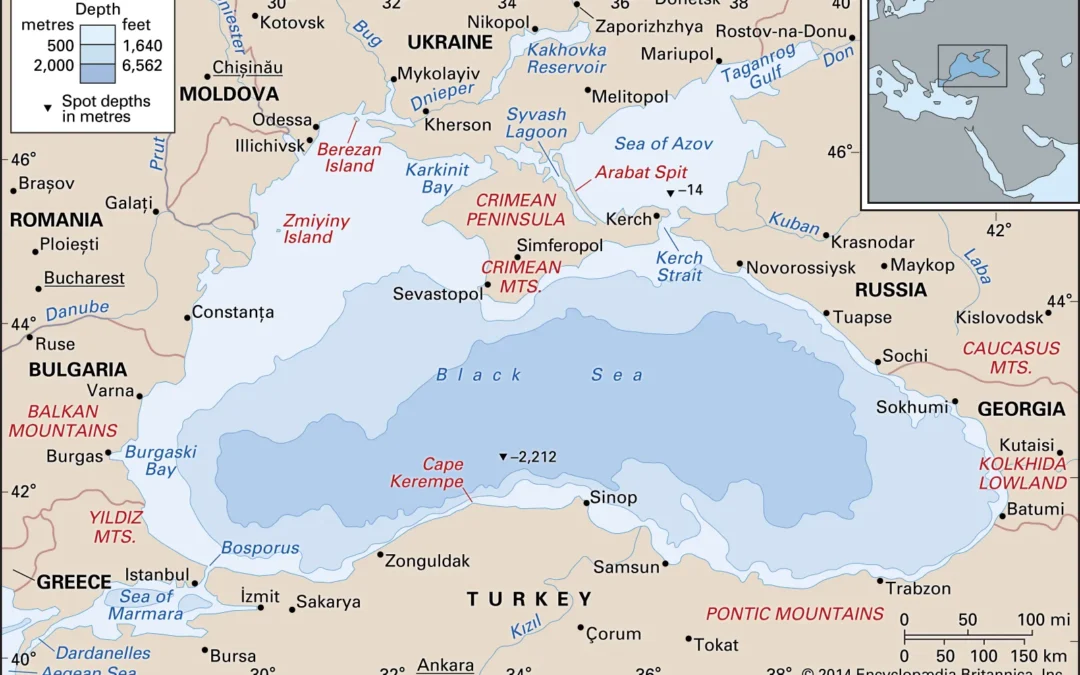
The SPARTA II incident also bears similarities to attacks carried out in the Black Sea between October 2025 and July 2026, when Ukraine reportedly used drones to target tankers calling at Russian ports to load oil.
The developments indicate that commercial vessels associated with Russian strategic and military supply operations may face growing security risks, even when operating outside traditional conflict zones.
Russia Shifts Military Supply Operations to the Baltic
Russia increasingly relocated its military maritime logistics towards northern European routes after the Bosphorus Strait was closed to Russian warships in February 2022.
The vulnerability of Novorossiysk to drone attacks, combined with the loss of access to Syria, has further complicated Russia’s ability to maintain its overseas military supply network.
Consequently, the Baltic has become an increasingly important departure point for transporting military equipment and other supplies to Russia’s remaining strategic foothold in eastern Libya and, through the region, towards countries in the Sahel.
The reported cargo movements involving ANGARA, ASCALON, LADY R and other associated vessels illustrate the importance of this maritime network in supporting Russia’s activities across Africa.
Attacks in the Mediterranean Highlight Russia’s Maritime Vulnerabilities
The latest incidents add to a series of attacks involving Russian-linked commercial vessels and energy shipping in the Mediterranean region.
Ukraine has also been linked to reported attacks involving the shadow fleet tanker QENDIL (IMO 9310525) in December 2025, Russian LNG carrier ARCTIC METAGAZ (IMO 9243148) in March 2026 and RoRo cargo vessel LADY MARIIA (IMO 9220641) in September 2026.
The attack on ARCTIC METAGAZ had significant implications for Russian LNG transportation. Following the incident, Russian LNG carriers transporting cargoes to China reportedly discontinued their Mediterranean transits and shifted to routes around the Cape of Good Hope.
The growing exposure of Russian commercial shipping to maritime attacks is likely to prompt further reviews of transportation arrangements, vessel deployment and cargo routing.
Russia may increasingly seek alternative routes and adjust its maritime logistics to reduce the risks associated with vulnerable shipping corridors.
Associated Cargo Vessels Remain Potential Targets
The five cargo vessels reportedly tracked entering the Mediterranean have previously been associated with the transportation of weapons and other military equipment to and from countries including China, Iran, North Korea and several West African states.
Other vessels connected to the same shipping networks remain active on routes between Kaliningrad and St. Petersburg.
Their continued operations highlight the scale and complexity of Russia’s maritime logistics network and the challenges involved in monitoring vessels that disable their AIS transmissions or operate through less transparent shipping arrangements.
Maritime intelligence provider Windward has highlighted the importance of tracking these vessels through its Maritime Intelligence Operations Center (MIOC), which monitors shipping movements and identifies potential connections between vessels involved in Russia’s military sealift activities.
Outlook
The reported attacks on SPARTA II, ANGARA and MERKURY highlight the increasing security risks facing Russia’s maritime military supply network across the Baltic and Mediterranean regions.
The Baltic shipping corridor has become strategically important for maintaining Russian supply routes to eastern Libya and other parts of Africa, particularly following restrictions on alternative maritime access and the loss of established logistical facilities.
At the same time, attacks on Russian-linked commercial vessels and LNG carriers demonstrate that maritime logistics and energy transportation networks can become exposed to security threats far beyond their immediate operating areas.
For the shipping industry, these developments raise concerns over vessel security, insurance exposure, route selection and the operational risks associated with trading involving Russian-linked cargoes.
Russia’s response may involve further adjustments to its maritime transportation network, including alternative routing and greater reliance on less exposed shipping corridors. Meanwhile, continued monitoring of associated cargo vessels will remain important for understanding potential disruptions to Russian military and commercial maritime operations.