A revised bipartisan sanctions bill introduced in the US Senate proposes tougher economic measures against Russia while softening some of the most stringent provisions contained in an earlier draft. The legislation seeks to curb Moscow’s energy revenues by targeting Russian entities and countries that continue importing Russian oil and natural gas.
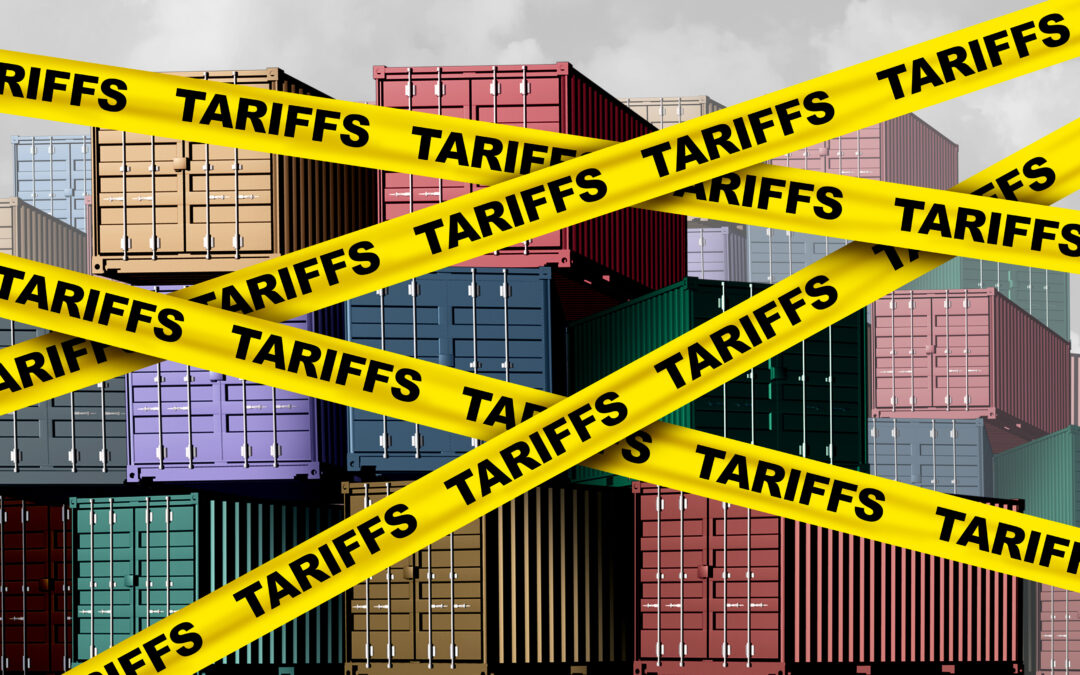
Under the updated proposal, the maximum tariff on major purchasers of Russian energy would be reduced from the previously proposed 500% to 100%. According to the draft, the tariffs would apply primarily to the world’s five largest buyers of Russian oil and natural gas, a group that includes India and China.
Focus on Russian Energy Revenue
The proposed legislation is intended to reduce the financial resources available to Russia by discouraging continued purchases of its energy exports.
In addition to tariff provisions, the bill would impose sanctions on Russian officials, financial institutions—including the Central Bank of Russia—and major energy projects such as Yamal LNG and the Arctic LNG developments. It also targets Russia’s so-called “shadow fleet” of tankers, which has been used to transport oil outside traditional Western shipping and insurance systems.
According to the proposal, exemptions would be available for countries that import less than 15% of their natural gas from Russia and are taking steps to reduce that dependence. Lawmakers say this provision is intended to avoid penalising countries that are actively diversifying their energy supplies.
Changes Intended to Broaden Support
The revised bill reflects concerns that the original proposal’s 500% tariff could have disrupted global energy markets and strained relations with US allies.
The legislation also grants the US president authority to waive sanctions if doing so is deemed to be in the national interest. Supporters argue that the changes make the proposal more practical while preserving pressure on Russia.
According to reports, the bill has bipartisan backing, with several Republican and Democratic senators supporting the measure and additional lawmakers expected to join as co-sponsors.
Legislative Outlook
The proposal is expected to move toward Senate consideration in the coming weeks as lawmakers debate how best to increase economic pressure on Russia while limiting unintended consequences for global trade, energy markets and US partners.
Note: Parts of the source material accompanying this report contain claims about individual public figures that have not been independently verified here. The rewrite reflects only the legislative proposals and reported policy changes without repeating unverified assertions.