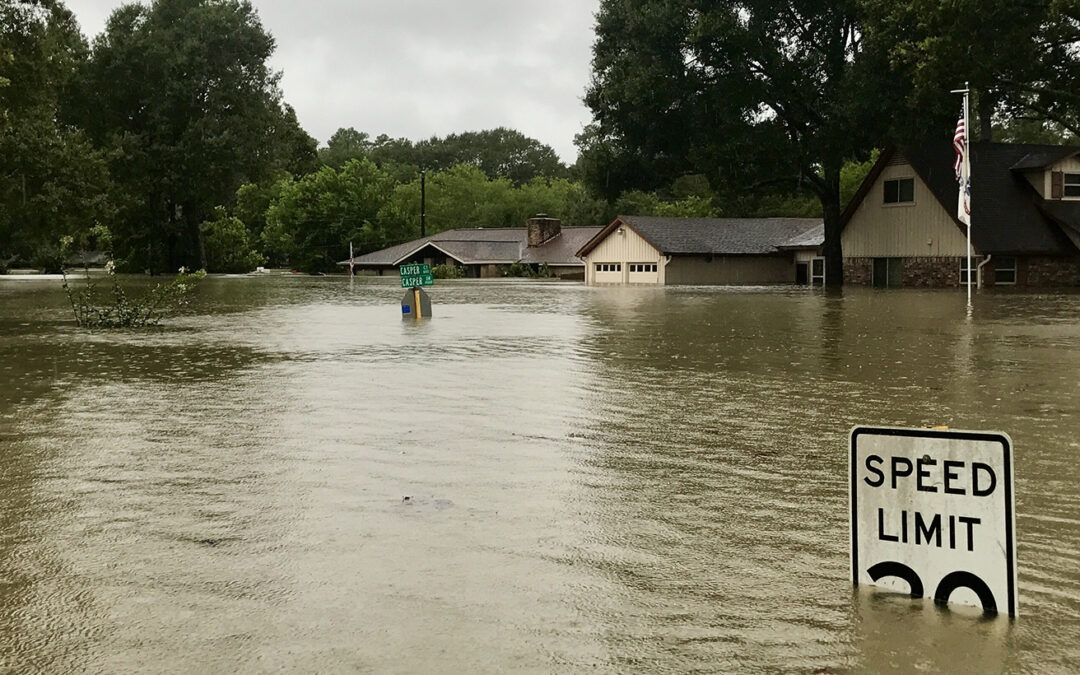
Rescue operations across Nepal and Tibet faced fresh setbacks on Friday as an overflowing lake and a new avalanche disrupted efforts to reach people trapped or missing after the devastating Bhote Koshi-Trishuli disaster.
By Friday evening, at least 584 people had died and 2,482 remained missing across the two regions. Nepal accounted for 579 deaths and 1,924 missing people, while Tibet reported five deaths and 558 missing.
The figures remained fluid as authorities continued to receive fresh reports from affected communities. Searches were also continuing inside tunnels, while thousands of people remained stranded or out of contact because roads and communication links had been destroyed.
Overflowing lake forces rescuers to retreat
Rescue teams on both sides of the border were forced to repeatedly reassess their operations after an unstable barrier lake overflowed into the Bhote Koshi river on Friday.
The overflow triggered a fresh surge of water downstream, temporarily bringing rescue operations to a halt.
Hours later, another avalanche sent an estimated 50,000 cubic metres of ice and debris into the disaster zone, further complicating efforts to reach survivors.
Satellite imagery subsequently revealed another potentially dangerous development: a second and larger lake upstream was continuing to expand, with no visible outlet.
The developments have raised fears of further flooding and made an already difficult rescue operation even more hazardous.
320 Indians remain uncontactable
India said 320 of its nationals in Nepal remained “uncontactable” on Friday, an increase from the 290 reported earlier.
Ministry of External Affairs spokesperson Randhir Jaiswal said around 100 people of Indian origin who hold other nationalities were also out of contact.
Jaiswal described the situation as “dynamic” and said India had not confirmed any deaths among its nationals as of Friday evening. The MEA was continuing to seek information from Nepalese authorities.
At least 84 Indian nationals have so far been rescued from Nepal, including 63 workers from the Trishuli-1 hydropower project and 21 pilgrims from Tamil Nadu.
The 21 pilgrims reached Delhi on Friday.
“First, good news: 21 Indian nationals who had yesterday arrived in Kathmandu from the area which was affected by the flood have landed in Delhi,” Jaiswal said.
The MEA also said 149 Indians crossed into Nepal from Tibet on Friday, while around 400 more remained safe on the Chinese side.
Missing numbers rise sharply
Nepal’s official missing tally nearly doubled within hours as authorities added new names from devastated settlements, hydropower projects and tourism groups.
The National Disaster Risk Reduction and Management Authority (NDRRMA) said 4,451 people had been rescued so far.
The rapidly changing figures underline the enormous challenge facing authorities, who are attempting to reconcile information from families, local administrations, employers, tour operators and security agencies as rescue teams reach previously inaccessible areas.
Hydropower projects among worst affected
Hydropower facilities account for a significant proportion of those still unaccounted for.
NDRRMA said 933 people associated with hydropower projects remained missing, while Nepal’s energy ministry said project promoters had reported that more than 1,000 workers had lost contact at one point.
“There are reports that more than a thousand people working on hydropower projects have lost contact,” ministry spokesperson Mohan Shakya said.
One of the largest concentrations of missing people was reported at the Korean-funded 216MW Upper Trishuli-1 hydropower project.
Workers reportedly took shelter inside tunnels as floodwaters and debris destroyed access routes. Initial reports suggested that around 400 people were inside the tunnel, while another 176 people outside were uncontactable.
Officials said about 40 Indian and eight Korean workers at the project were unaccounted for. Around 100 Chinese workers had also been employed there, with some subsequently rescued.
Project liaison officer Giri Adhikari said debris had entered the approximately 10-kilometre-long tunnel.
“There should be no shortage of oxygen inside. There is a shortage of food and water. If rescued in time, it is estimated that those inside are still alive,” he said.
With roads and tunnel entrances washed away, rescuers have been forced to use helicopters to reach some locations. Adhikari said personnel could access certain points only by being lowered from helicopters along steep cliffs.
Other hydropower projects have also reported large numbers of workers as being out of contact. Officials said 93 people were unaccounted for at the Rasuwagadhi Hydropower Project alone.
Tibet reports 558 missing
Across the border in Tibet’s Gyirong County, Chinese authorities reported five deaths and 558 missing people, including 260 foreign nationals.
Beijing had not yet released a nationality-wise breakdown of the missing foreigners.
Chinese authorities separately said they had evacuated stranded tourists from accessible parts of Gyirong.
A total of 555 tourists were evacuated, while 499 villagers and construction workers affected by the disaster were moved to shelters or other safe locations.
Chinese state news agency Xinhua reported that no tourists remained stranded in the areas covered by that evacuation operation.
However, hundreds of people remain officially missing across the wider disaster zone, while rescuers continue to confront unstable terrain, blocked routes, rising water levels and the threat of further avalanches.
With conditions changing by the hour, rescue teams on both sides of the border face a race against time — and against the landscape itself.