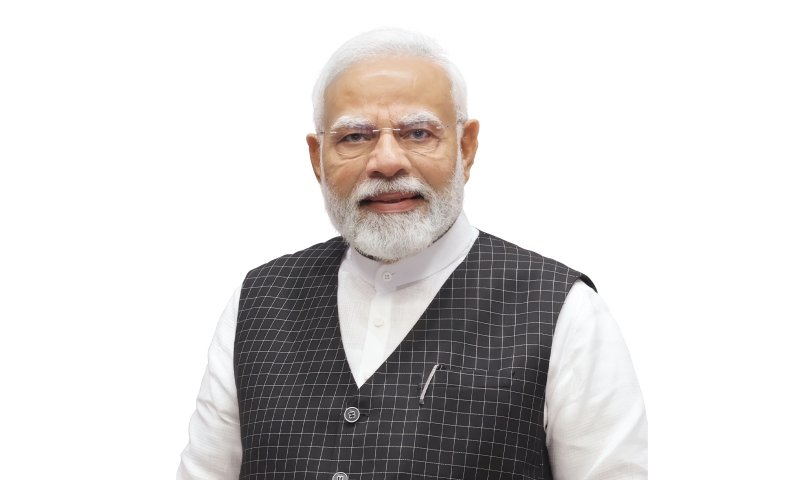
The Union government is preparing to renew its push for reforms even as it continues to manage challenges arising from the ongoing West Asia conflict. Prime Minister Narendra Modi has reportedly convened a meeting of the Council of Ministers on May 21 to review and accelerate the reform agenda.
Focus on Simplification and Ease of Doing Business
Officials indicated that the central theme of the meeting will be simplification, deregulation, and reducing compliance burdens for both businesses and citizens.
The discussions are expected to centre on:
- Ease of doing business reforms
- Ease of living initiatives
- Simplification of rules and procedures
- People-centric policy and legal changes
- Reduction in regulatory hurdles across sectors
The government is also likely to review reforms undertaken during the third term of the Modi-led NDA administration.
Multiple Ministries to Present Reform Measures
Secretaries from nearly a dozen ministries and departments are expected to make presentations before the Council of Ministers.
Departments likely to participate include:
- Department for Promotion of Industry and Internal Trade
- Agriculture
- Commerce
- Health
- Power
- Environment and Forest
- Labour
- Road Transport
- Atomic Energy
The presentations are expected to highlight reforms implemented since June 2024 and their broader economic and administrative impact.
Reform Agenda Regains Momentum
The government had earlier emphasised that India was on a “reforms express,” with reforms receiving strong attention in the Union Budget. However, the escalating West Asia conflict reportedly shifted the focus of several ministries toward managing immediate economic and supply-related concerns.
Officials said the upcoming meeting is intended to revive momentum on structural reforms while continuing to address external geopolitical pressures.
Committees Led by Rajiv Gauba May Shape Discussions
Some recommendations made by high-level committees led by Rajiv Gauba are also expected to be discussed during the meeting.
According to people familiar with the developments, ministries had earlier submitted details of major reforms carried out over the past two years, including assessments of their benefits and implementation outcomes.
Government Seen Balancing Crisis Management and Long-Term Reforms
Policy experts have argued that the government should continue pursuing long-term reforms despite the West Asia crisis, drawing comparisons to the reform measures introduced during the COVID-19 pandemic period.
The May 21 meeting is expected to outline the next phase of administrative and economic reforms while ensuring that ministries remain prepared to respond to any fallout from global geopolitical tensions.