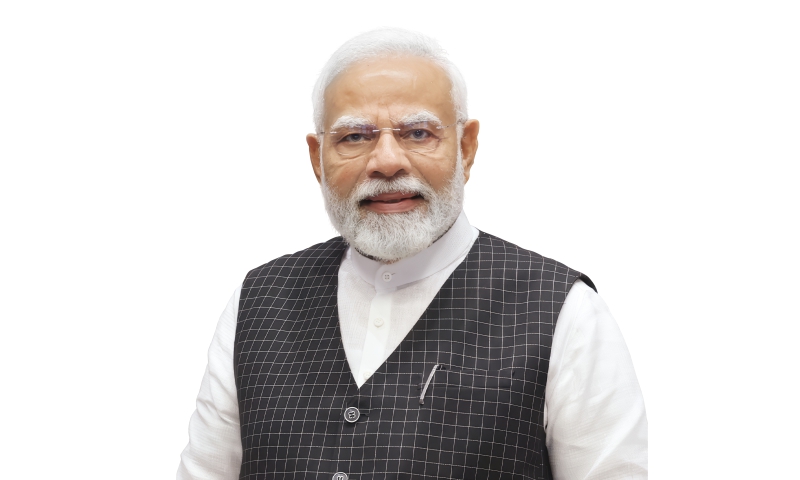
Prime Minister Narendra Modi on Thursday announced that the Union Cabinet will consider tougher measures against paper leaks, including provisions for fast-track courts and stricter punishment for those involved.
The announcement comes amid continuing protests by the Cockroach Janta Party (CJP) in New Delhi over the alleged NEET-UG 2026 paper leak, which reportedly affected more than 22 lakh students.
In a post on X, Modi said the government had already taken several strict measures since the leak came to light. He said several accused persons had been arrested and jailed, while a re-examination was conducted for the affected students.
The Prime Minister said the re-examination was organized quickly to ensure that students did not lose an academic year. The results were announced on July 19.
Modi said a draft bill proposing fast-track courts and stricter penalties for paper-leak offences had been prepared and would be discussed at the Cabinet meeting on Friday. The government is expected to push for the legislation in Parliament during the upcoming session.
The proposed measures come as the CJP intensifies its campaign, demanding accountability over the NEET-UG paper leak and the resignation of Education Minister Dharmendra Pradhan.
The organisation has called for peaceful protests across the country and urged people to hold demonstrations in every district. It has also rejected the government’s offer for talks, saying the Prime Minister’s announcement did not address its demand for accountability.
The government, meanwhile, has renewed its invitation for discussions. Union Minister Jitendra Singh suggested that talks could be held at the residence or office of Health Minister JP Nadda.
Nadda also invited CJP representatives for a meeting, but the protesters declined, insisting that the discussions should be held at a neutral venue.
The proposed legislation is now likely to become a key focus of the government’s response to the growing controversy over examination paper leaks.