Global oil prices climbed further on Tuesday as geopolitical tensions intensified in the Middle East, with markets on edge ahead of US President Donald Trump’s deadline for Iran to reopen the critical Strait of Hormuz.
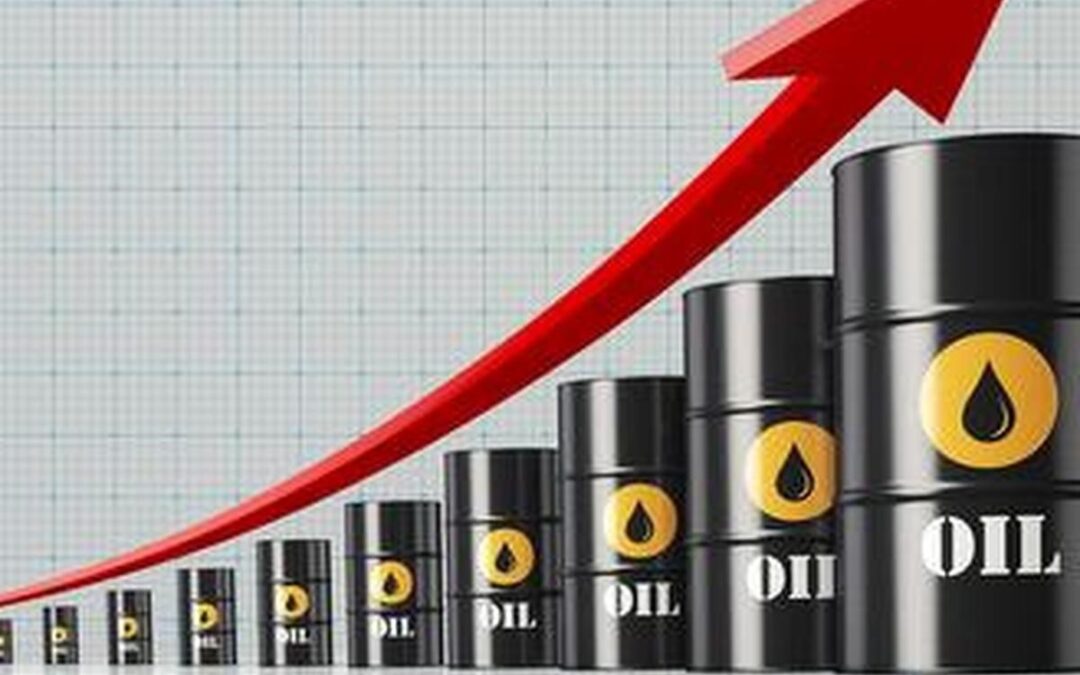
Brent crude futures rose by 57 cents (0.5%) to $110.34 per barrel, while US West Texas Intermediate (WTI) jumped $1.26 (1.1%) to $113.67 per barrel, extending a sharp rally driven by supply fears.
Hormuz crisis fuels market anxiety
The surge comes as Trump warned Tehran of severe consequences if it fails to meet his 8 pm EDT deadline to reopen the Strait of Hormuz—a key global النفط chokepoint.
“Iran could be taken out in one night,” Trump said, escalating rhetoric and raising concerns of imminent military action.
Iran has rejected a US-backed proposal delivered via Pakistan, refusing a ceasefire and instead demanding a permanent end to hostilities. It has also resisted calls to reopen the strait.
The waterway—through which roughly 20% of global oil supply typically passes—has effectively remained shut since late February following US and Israeli strikes, severely disrupting global energy flows.
Shipping disruptions deepen supply fears
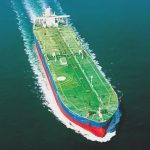
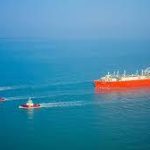
Further tightening the situation, Iran’s Revolutionary Guards reportedly halted two Qatari liquefied natural gas (LNG) tankers, instructing them to hold position without explanation. Shipping data shows minimal vessel movement through the strait in recent days.
These disruptions have forced refiners in Asia and Europe to scramble for alternative supplies, pushing spot premiums for WTI crude to record highs.
Global diplomatic and military developments
- The United Nations Security Council is set to vote on a resolution to safeguard commercial shipping in the Strait of Hormuz. However, the proposal has been diluted after China opposed any authorization of force.
- In Syria, explosions were reported in and around Damascus following Israeli interceptions of Iranian missiles.
- Saudi Arabia said it intercepted and destroyed seven ballistic missiles targeting its Eastern Region, with debris landing near energy infrastructure.
Market outlook
Oil markets remain highly volatile, with prices reacting sharply to each development. The possibility of prolonged disruption in the Strait of Hormuz—a lifeline for global energy—continues to drive bullish sentiment.
Unless tensions ease or supply routes are restored, analysts warn that crude prices could climb even higher in the coming days, amplifying risks for inflation and global economic stability.