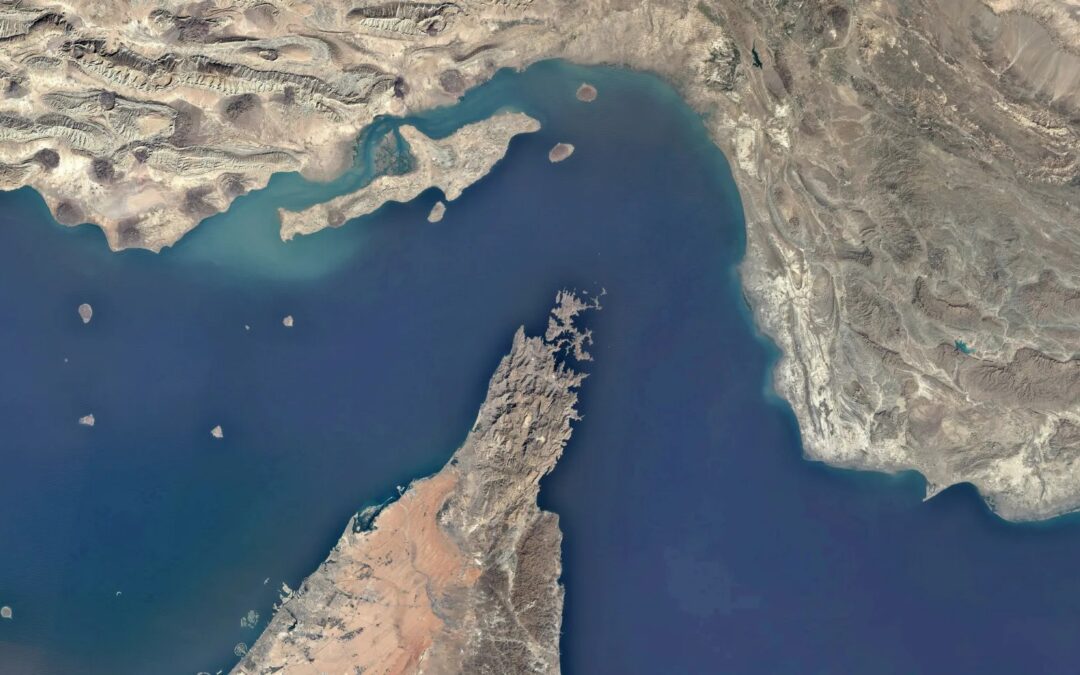
Global oil markets are entering a more volatile phase as disruptions in the Strait of Hormuz begin to ripple across alternative supply routes. While Saudi Arabia has temporarily eased pressure by redirecting crude exports through its Red Sea port of Yanbu, that workaround is now under increasing risk.
A fragile fallback route
With Hormuz constrained, the Bab al-Mandeb Strait—a narrow passage linking the Red Sea to the Gulf of Aden—has become a critical alternative for oil shipments, especially those bound for Asian markets. However, any escalation of hostilities in this region could severely disrupt this route as well.
Saudi Arabia’s strategy of bypassing Hormuz via pipelines to Yanbu depends heavily on uninterrupted passage through Bab al-Mandeb. If that chokepoint becomes unstable, it could effectively cut off one of the kingdom’s last viable export pathways.
Why this matters globally
The Strait of Hormuz typically handles a significant portion of the world’s oil trade, making it one of the most important energy corridors globally. With that route already under strain, Bab al-Mandeb now serves as a crucial pressure valve in maintaining supply flows.
Analysts warn that if both chokepoints face disruption simultaneously, the global oil market could move from a tight supply environment into outright instability. This could trigger sharp price increases, logistical bottlenecks, and wider economic repercussions.
Rising geopolitical risk
The situation underscores how interconnected global energy routes are—and how quickly regional tensions can escalate into worldwide supply concerns. Any sustained disruption in these key maritime corridors would not only affect oil availability but also intensify volatility across energy markets.
As tensions continue to evolve, the focus remains on whether these critical chokepoints can remain operational—or whether further escalation will deepen the global energy crisis.