Global oil prices moved higher on Thursday as prolonged supply disruptions linked to the Iran conflict continued to strain fuel reserves and tighten energy markets worldwide.
Benchmark crude prices posted modest gains, with WTI Crude Oil rising 0.58 per cent to $98.83 per barrel and Brent Crude climbing 0.44 per cent to $105.5 per barrel.
Markets Recover After Sharp Decline
The rebound followed a steep sell-off on Wednesday, when both oil benchmarks plunged more than 5.6 per cent after US President Donald Trump suggested that negotiations with Iran were approaching a breakthrough.
At the same time, Trump warned Tehran that further military action remained possible if a peace agreement was not reached.
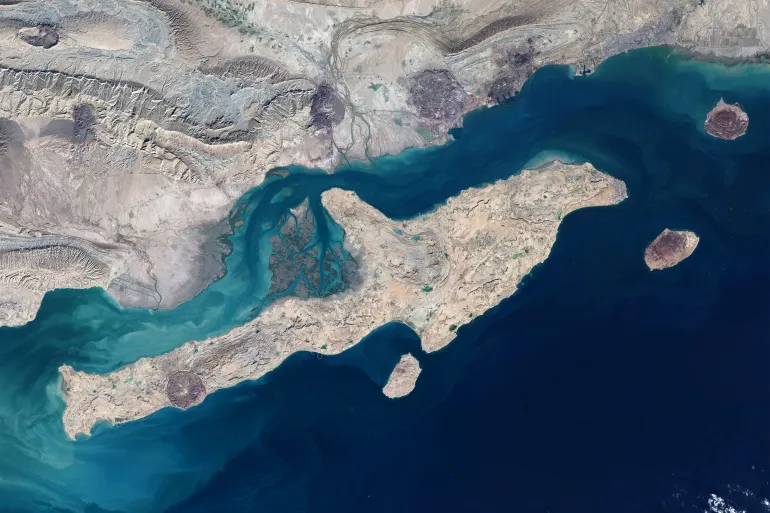
Despite the diplomatic signals, markets remain uncertain over whether talks will lead to a lasting resolution, particularly as disruptions around the Strait of Hormuz continue nearly three months after the conflict escalated.
Strait of Hormuz Remains Severely Restricted
Before the outbreak of the conflict, the Strait of Hormuz handled oil and liquefied natural gas shipments accounting for nearly 20 per cent of global energy consumption.
However, maritime traffic through the route has remained heavily restricted.
Iran earlier announced the creation of a new “Persian Gulf Strait Authority”, stating that a “controlled maritime zone” would operate within the Strait of Hormuz.
The restrictions were imposed after US and Israeli strikes triggered a wider regional conflict on February 28. Although an April ceasefire reduced direct fighting, limitations on maritime movement through Hormuz have continued alongside a US blockade of Iran’s coastline.
Strategic Reserves Being Drained
The prolonged disruption in Middle Eastern supplies has pushed countries to increasingly rely on both commercial and strategic petroleum reserves.
According to data released by the US Energy Information Administration, the United States withdrew nearly 10 million barrels from its Strategic Petroleum Reserve last week — the largest weekly drawdown ever recorded.
The agency also reported that:
- Commercial crude inventories fell by 7.9 million barrels to 445 million barrels
- Analysts had expected only a 2.9 million-barrel decline
- Gasoline stockpiles dropped by 1.5 million barrels
- Distillate inventories rose by 372,000 barrels
Analysts Warn of Tightening Inventories
Energy analysts have warned that declining reserves could keep oil prices elevated in the coming weeks.
“The drawdown in oil inventories will make it difficult for oil prices to remain low,” Mingyu Gao, chief researcher for energy and chemicals at China Futures, told Reuters.
Gao further warned that if the Strait of Hormuz remains blocked, global refined-product inventories and onshore crude reserves could fall below their lowest seasonal levels recorded in the past five years.
Energy Pressures Grow Worldwide
Oil markets have remained highly volatile since tensions escalated around Hormuz, with prices consistently staying above the $100 per barrel range compared to roughly $70 before the crisis.
Rising fuel prices and declining energy shipments have forced governments worldwide to reconsider energy policies, including reducing fuel supplies, revising subsidy structures and increasing retail fuel prices.