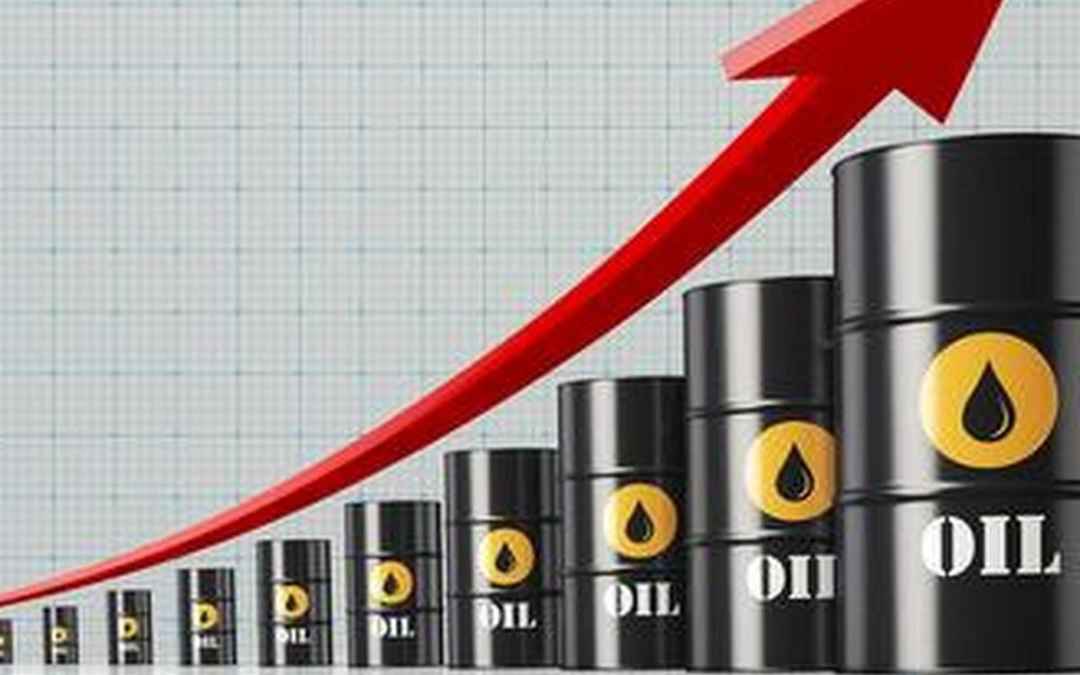
Oil prices moved higher on Friday as concerns over global fuel supplies intensified following fresh restrictions on Chinese fuel exports and reports of additional US military deployments to the Middle East.
Brent crude rose 28 cents, or 0.27%, to $102.60 a barrel, while West Texas Intermediate (WTI) crude gained 9 cents, or 0.10%, to $92.96.
The modest gains followed a sharp rally in the previous session. Brent jumped more than $4 on Thursday, while WTI climbed by over $2 after reports that the United States was preparing to deploy additional troops and an aircraft carrier to the Middle East. Concerns over China’s fuel exports added to fears of tighter global supplies.
US military deployments fuel supply concerns
According to reports, the United States was preparing to send a third aircraft carrier and up to 10,000 additional troops to the Middle East as President Donald Trump considered whether to resume military strikes against Iran.
Trump said the US would either reach what he described as a “very fair deal” with Iran or take further action.
The prospect of renewed military escalation has added uncertainty to oil markets, with traders closely watching potential disruptions to crude production and shipments from the region.
China tightens fuel exports
China’s decision to restrict fuel exports has provided another source of concern for global energy markets.
Beijing had imposed restrictions on fuel exports in March following the outbreak of the US-Israeli conflict with Iran before easing some of those measures in July. Since then, China has managed exports of diesel, gasoline and jet fuel on a monthly basis.
Sources said major Chinese refiners had not received approval to export fuel to destinations outside Hong Kong and Macau during October. China began a weeklong holiday on Thursday, leaving uncertainty over whether export permissions will be restored after the holiday ends on October 7.
Prices remain volatile despite recent gains
Despite Friday’s rise, Brent crude remained on track for a weekly decline of about 1.93%. The benchmark had gained around 14% during September, while WTI rose approximately 4% over the same period.
The US administration has also reportedly asked Germany and France to draw down emergency diesel inventories in an effort to ease pressure on global fuel prices.
Oil markets have remained volatile as the Middle East conflict continues into its seventh month. However, prices remain below the sharp peak of around $126 a barrel reached earlier in the conflict, reflecting the market’s continued assessment of supply risks, demand and the potential for further regional escalation.