Oil prices slipped below the $100-per-barrel mark on Tuesday as renewed signals of dialogue between the United States and Iran raised hopes of easing tensions in the region. The decline offered some relief to markets rattled by fears of supply disruptions following the blockade of the Strait of Hormuz.
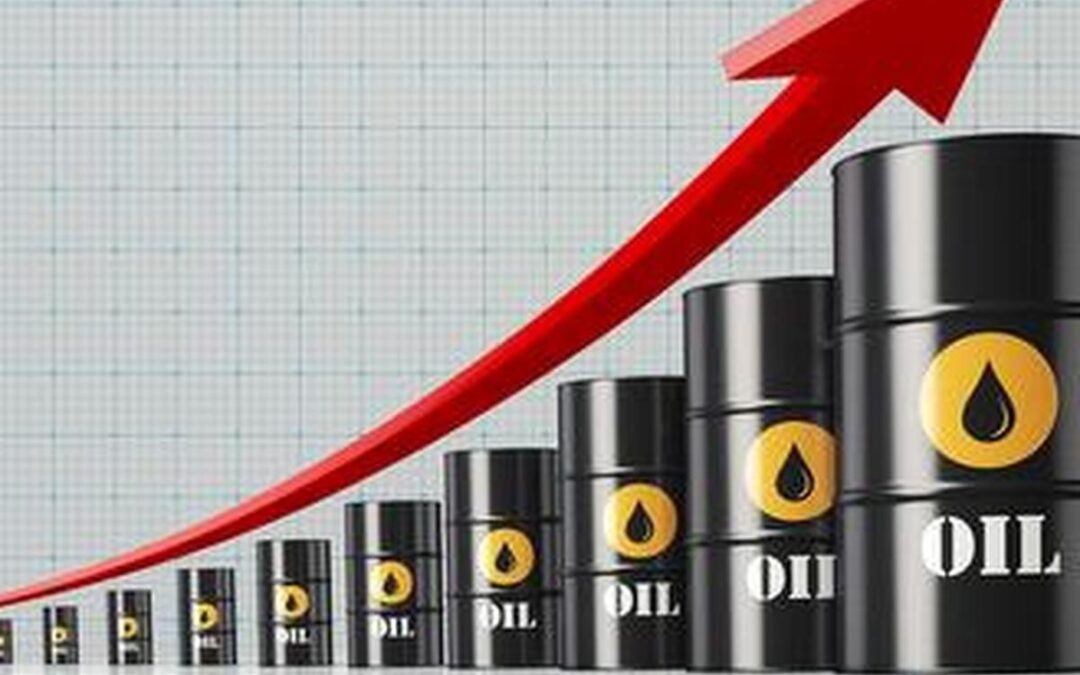
Brent crude futures fell by $1.86, or 1.87%, to $97.50, while US West Texas Intermediate (WTI) dropped $2.25, or 2.27%, to $96.83 at 0003 GMT. The pullback followed sharp gains in the previous session, when Brent rose over 4% and WTI nearly 3% after the US initiated a military blockade of Iranian ports.
US Vice President JD Vance said Iran had shown limited willingness to engage during 21 hours of peace talks in Islamabad, though not enough to secure a breakthrough. He noted that Washington was awaiting further concessions from Tehran, particularly on its nuclear programme, while Iran continued to assert its right to enrich nuclear fuel.
Speaking to Fox News, Vance described the discussions as containing “good signs” and some progress, but stressed that Iran “didn’t move far enough.” He led the US delegation alongside Special Envoy Steve Witkoff and Jared Kushner.
On Monday, the US military announced an expansion of the blockade, extending it eastward into the Gulf of Oman and the Arabian Sea. Ship-tracking data showed at least two vessels reversing course in the Strait of Hormuz as the measures took effect.
Iran responded by warning it could target ports in Gulf nations after the weekend talks in Islamabad ended without resolution. Despite the escalation, both sides appear to be keeping diplomatic channels open. Sources familiar with the discussions told Reuters that dialogue remains ongoing, while US President Donald Trump said Iran had reached out and expressed interest in striking a deal.
The developments follow the highest-level talks between US and Iranian officials in decades, held in Islamabad, which ended without a breakthrough. The broader conflict in the Middle East has now stretched beyond six weeks, with no clear resolution in sight. The crisis began on February 28, when US and Israeli forces launched joint strikes on Iran, prompting Tehran to disrupt the vital Strait of Hormuz — a key artery for roughly 20% of global oil supply.