What if your job could double as both a source of income and a real-world market research project?
That is the unusual approach taken by Dinesh, an Odisha-based professional who reportedly left his IT job to explore a business idea connected to his family’s dairy farm.
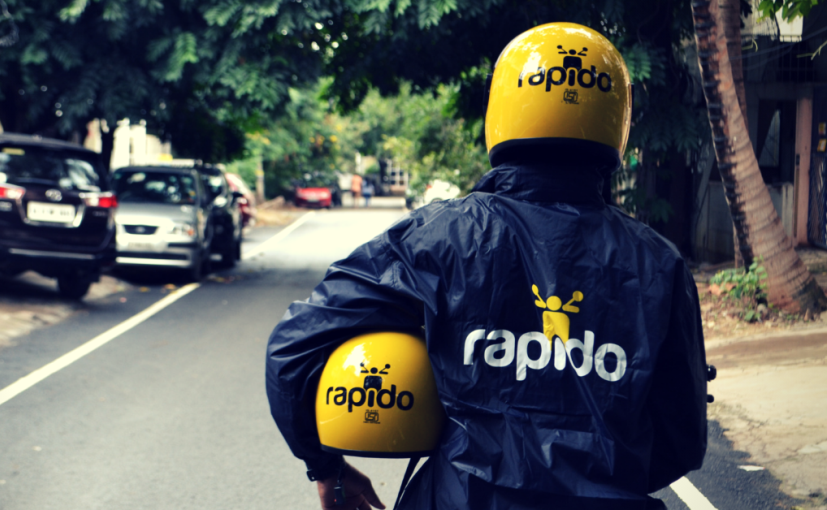
Instead of immediately returning home and investing in the venture, Dinesh chose to spend a year in Bengaluru, where he could speak directly with potential customers. To support himself during this period, he began working as a bike rider.
His strategy is simple: earn while learning what people actually want.
From IT professional to market researcher on two wheels
Dinesh had previously worked at the National Payments Corporation of India (NPCI). According to Varun Raj, who said he met Dinesh during a ride in Bengaluru, the decision to leave a stable job was not initially welcomed by his parents.
But Dinesh wanted to test his business idea before committing significant money to it.
During one of his rides, he reportedly asked Raj what dairy products he purchased apart from milk. The question initially seemed unusual, but it soon became clear that Dinesh was using his conversations with passengers to understand consumer preferences.
His family has a dairy farm in Odisha, and he hopes to eventually build a business around it.
Rather than relying solely on conventional market research, Dinesh is using his time on the road to speak directly with people who could become future customers.
“Paisa bhi milega aur feedback bhi”
Dinesh’s reasoning for becoming a bike rider was straightforward: the work allows him to earn money while collecting useful feedback.
As Raj recounted the conversation, Dinesh summed up the approach with a simple line: “Paisa bhi milega aur feedback bhi.”
The strategy is particularly focused on Bengaluru’s large technology workforce, which Dinesh considers an important potential customer base for his future dairy products.
Whenever a passenger appears to fit his target market, he uses the ride as an opportunity to ask questions and understand their preferences.
Instead of spending money on formal research before knowing whether the idea will work, he is effectively turning everyday conversations into customer discovery.
A one-year experiment
Dinesh has reportedly given himself a year to understand the market and refine his business model.
Once that period is over, he plans to return to Odisha and use what he has learned to develop the family dairy business.
The approach offers a different take on entrepreneurship: rather than starting with a large investment, a business plan and extensive research, Dinesh is starting with conversations.
His method also gives him something many early-stage entrepreneurs struggle to obtain—direct access to potential customers and an opportunity to hear, firsthand, what they actually want.
The story has attracted attention online, with people praising the practicality of the approach. Several commenters described it as an example of genuine customer discovery, while others admired the decision to test the idea before committing heavily to the business.
For Dinesh, however, the strategy appears less complicated: keep earning, keep asking questions and use the answers to build a business that people might actually want.