The southwest monsoon has officially covered the entire country, reaching the remaining parts of the north Arabian Sea, Rajasthan, Haryana, and Punjab on Thursday—one day later than its usual completion date of July 8, according to the India Meteorological Department (IMD).
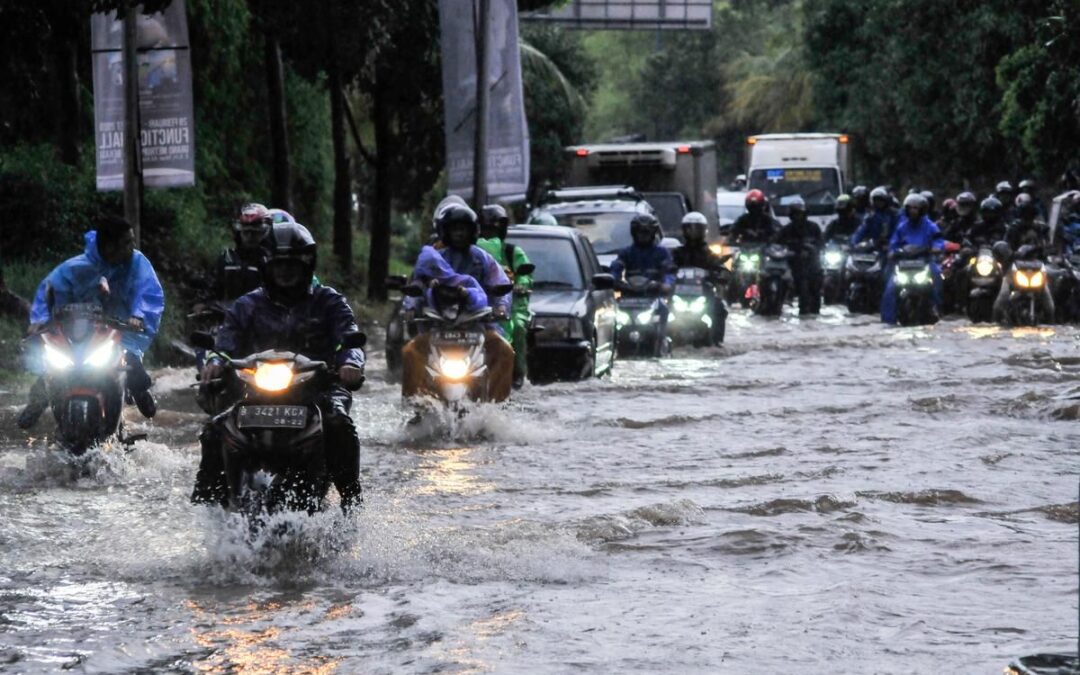
Although the monsoon arrived late over Kerala this year, it gained momentum in late June, bringing widespread rainfall across the country. However, the intense rains have also caused severe flooding, landslides, infrastructure damage, and travel disruptions in several states.
Kerala’s Wayanad district reported a rise in the landslide death toll to six, while rescue teams continue searching for three missing people. In Maharashtra’s Pimpri Chinchwad, rescue operations are underway after a building collapsed at a waste-to-energy plant, leaving one person dead and several others trapped.
Uttarakhand remains among the worst-affected states, with over 185 roads blocked by landslides and the Char Dham Yatra facing major disruptions. In Himachal Pradesh, flash floods submerged a 100-foot iron bridge in Kinnaur, cutting off access to several villages. The IMD has extended a yellow alert in the state until July 15.
West Bengal has been placed on landslide alert in Darjeeling and Kalimpong, while fishermen have been advised to avoid venturing into the sea due to rough weather.
In the Northeast, landslides blocked National Highway 54 in Mizoram, stranding over 300 passengers. Continuous rainfall also displaced more than 2,500 people in Tripura, while floods affected several districts in Arunachal Pradesh.
Meanwhile, rainfall eased across Chhattisgarh, where only light to moderate showers were recorded in southern districts over the past 24 hours.