Global oil prices surged more than 3% on Monday after renewed military exchanges between Iran and Israel reignited concerns over energy supplies from the Middle East, as the regional crisis crossed the 100-day mark with little sign of a lasting resolution.
By 7:50 am, US benchmark West Texas Intermediate (WTI) crude was trading at $93.87 per barrel, up $3.33 or 3.68%. Brent crude, the international benchmark, rose $3.27 or 3.51% to $96.36 per barrel.
The sharp gains erased much of last week’s decline, which had been driven by expectations that diplomatic efforts between Washington and Tehran could help ease tensions and stabilise energy markets.
Fresh Iran-Israel Clashes Fuel Supply Fears
Market sentiment shifted dramatically after Iran launched missile strikes against Israel, prompting a retaliatory response from the Israeli military.
The Israeli Air Force said it had targeted military sites linked to the Iranian regime in western and central Iran, with the operation reportedly guided by military intelligence.
The latest exchange marked a significant escalation in a conflict that had largely remained contained since April and renewed fears of broader regional instability.
Lebanon Front Reopens Despite Truce
Concerns intensified further after Israel carried out fresh strikes in Lebanon on Sunday, despite an existing ceasefire agreement between the two countries.
The renewed hostilities dealt a setback to diplomatic efforts aimed at reducing tensions across the region and reviving negotiations between the United States and Iran.
Tehran has repeatedly linked any broader agreement with Washington to a lasting ceasefire involving Lebanon. Following Israeli strikes in Beirut’s Dahieh district, Iran launched missile attacks on Israel, citing support for its ally Hezbollah.
Israel had entered Lebanon in March after Hezbollah launched rockets and drone attacks across the border, triggering a wider confrontation.
Although Lebanon and Israel announced a ceasefire on June 3 following negotiations in Washington, sporadic violence has continued, raising doubts about the durability of the agreement.
Strait of Hormuz Remains Key Concern
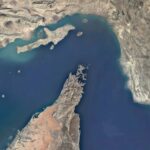
One of the biggest drivers behind the latest oil price rally remains the continued disruption in the Strait of Hormuz, a critical shipping route through which a significant share of the world’s oil and liquefied natural gas exports pass.
While large-scale military operations against Iran have remained paused since early April, Tehran has continued to restrict most commercial shipping through the strategic waterway, contributing to ongoing supply concerns.
Traders fear that any prolonged disruption could tighten global energy markets and push prices even higher in the coming weeks.
OPEC+ Output Increase Fails to Calm Markets
In an effort to address supply concerns, OPEC+ approved its fourth production increase in as many months on Sunday.
According to the group’s latest statement, member countries agreed to raise output targets by 188,000 barrels per day from July. The increase matches June’s adjustment, which was already lower than the 206,000 barrels-per-day hikes approved in April and May.
However, analysts said the additional supply is unlikely to significantly ease market anxiety.
Several OPEC+ members continue to struggle with production constraints, while disruptions linked to the Strait of Hormuz have limited export capacity. Russia has also faced challenges after attacks on energy infrastructure affected its production and transportation networks.
Markets Brace for Prolonged Volatility
With diplomatic efforts stalled, military tensions rising and key shipping routes still disrupted, energy markets remain highly sensitive to developments in the Middle East.
Investors are closely watching whether renewed fighting between Iran, Israel and regional allies could trigger further supply disruptions, potentially pushing oil prices toward new highs and increasing inflationary pressures across the global economy.
As the crisis enters its second hundred days, hopes for a comprehensive peace agreement remain uncertain, leaving global markets vulnerable to continued volatility.