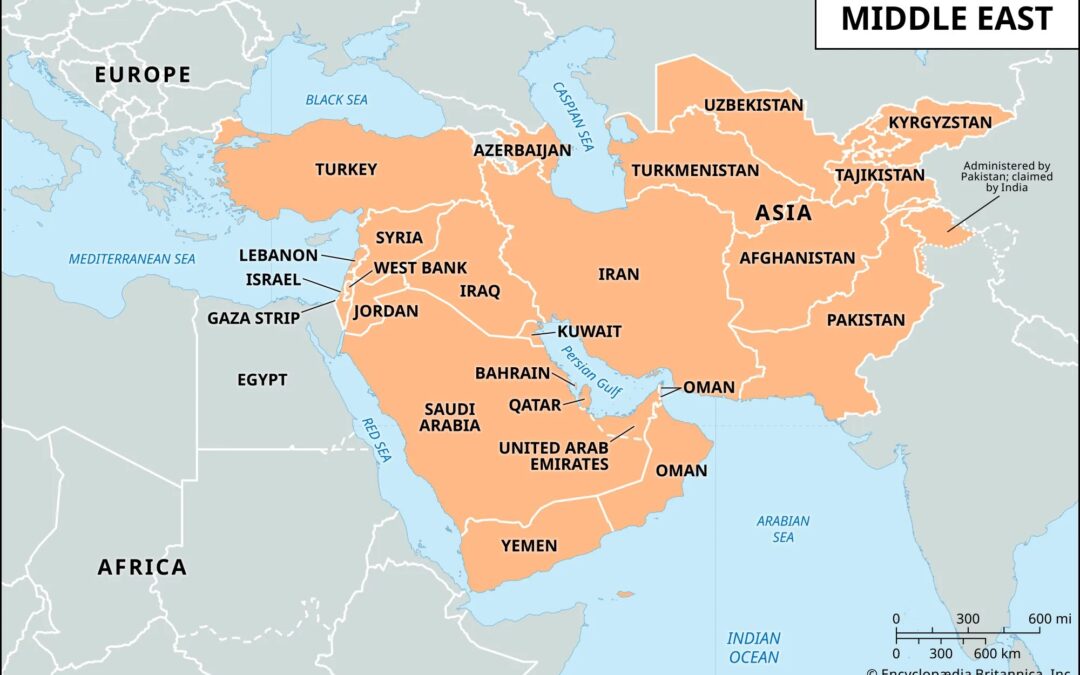
Iran has rejected a US proposal for a temporary 48-hour ceasefire, according to a source cited by the country’s semi-official Fars news agency and reported by Reuters. The offer, reportedly conveyed through an intermediary nation on Wednesday, aimed to briefly halt ongoing hostilities. Tehran, however, declined—signalling no immediate pause in a conflict now stretching into its fifth month.
The rejection comes amid continued military escalation. On Friday (local time), Iran brought down an American A-10 Warthog attack aircraft near the Strait of Hormuz, US officials confirmed, with Tehran claiming responsibility. Earlier this week, an F-15 fighter jet was also shot down, marking a series of significant losses for US forces.
Diplomatic efforts have so far failed to gain traction. Attempts by regional players, including Pakistan, to mediate between Washington and Tehran have not yielded progress. Iranian officials have reportedly informed intermediaries that they will not participate in talks with US representatives in Islamabad and consider Washington’s demands unacceptable.
Meanwhile, Turkey and Egypt are exploring alternative venues for potential negotiations, with Qatar and Istanbul emerging as possible options. However, there is little indication of a breakthrough.
Tensions have also intensified following remarks by US President Donald Trump. A senior Iranian official dismissed Trump’s claim that Iran’s “new regime president” had sought a ceasefire, calling it inaccurate. Iran’s Consulate General in Mumbai also criticised the statement, remarking that leadership changes are determined by elections, not social media posts.
Iran’s foreign ministry reiterated its position, with spokesperson Esmaeil Baqaei stating that claims Tehran had requested a ceasefire were “false and baseless.”
According to sources cited by Reuters, Iran is instead pushing for a guaranteed and lasting ceasefire rather than a short-term pause. While intermediaries have continued outreach efforts, there have been no substantive discussions around a temporary truce.
The crisis has significantly impacted global stability. Following joint US-Israeli strikes on Iran, Tehran responded by disrupting activity in the Strait of Hormuz—a critical oil transit route—triggering volatility in global energy markets and raising concerns worldwide.