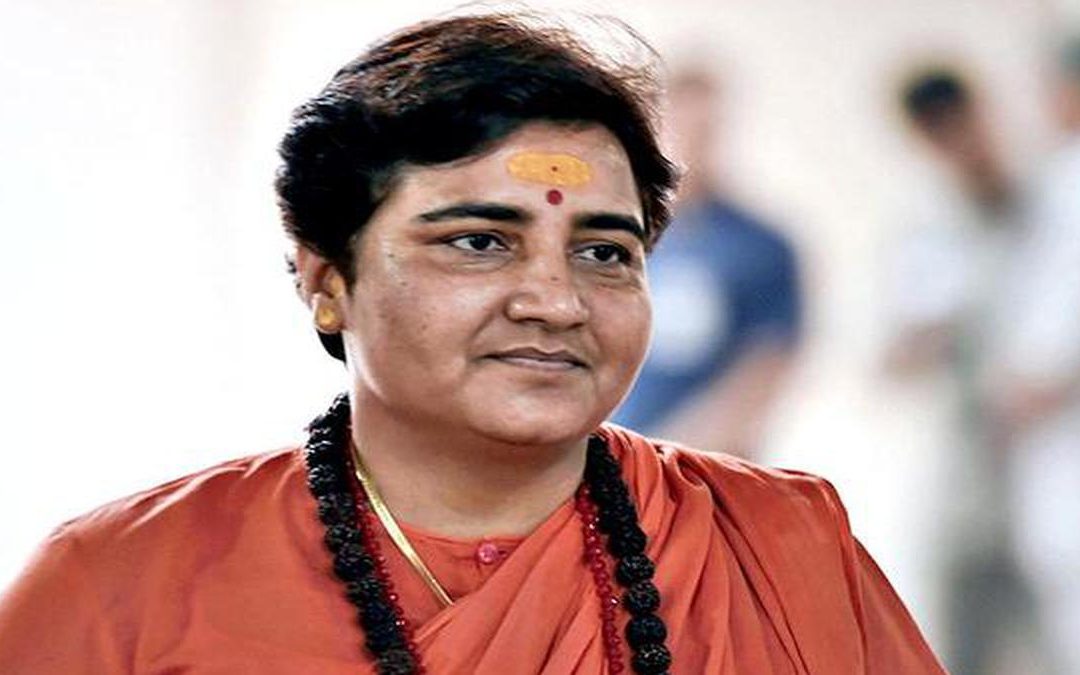
MUMBAI: Seventeen years after the 2008 Malegaon blast killed six and injured over 100, a special NIA court in Mumbai is set to deliver its long-awaited verdict on Thursday. The case, entangled in political controversy and shifting investigative narratives, involves seven accused — including BJP MP Pragya Singh Thakur and several former Army personnel.
The blast occurred on September 29, 2008, when a motorcycle-borne explosive device detonated near a mosque at Bhikku Chowk in Malegaon, Nashik district, during Ramzan and on the eve of Navratri. Among the victims was 10-year-old Farheen, whose father, Sayyed Liyaqat, expressed hope for justice as the trial nears its end.
The Accused
The seven standing trial are:
- Pragya Singh Thakur, BJP MP from Bhopal
- Lt Col Prasad Purohit
- Major (Retd) Ramesh Upadhyay
- Ajay Rahirkar
- Sameer Kulkarni
- Sudhakar Chaturvedi
- Sudhakar Dhar Dwivedi
All are currently out on bail. They have been charged under multiple sections of the Unlawful Activities (Prevention) Act (UAPA) and the Indian Penal Code, including terrorism, criminal conspiracy, murder, and promoting enmity between religious groups.
Initial Probe and Shifting Narratives
The investigation initially led by the Maharashtra ATS under the late Hemant Karkare pointed to a network of right-wing extremists. The ATS claimed:
- The motorcycle used in the blast was registered in Thakur’s name.
- Purohit had sourced and stored RDX at his residence.
- The accused were linked to Abhinav Bharat, a radical group that allegedly aimed to avenge atrocities against Hindus and establish a “Central Hindu Government” (Aryawart).
The probe highlighted a series of clandestine meetings, suggesting a deliberate plot to target the Muslim-majority town of Malegaon and incite communal unrest.
NIA Takeover and Controversy
In 2011, the case was transferred to the National Investigation Agency (NIA). In 2015, then-special public prosecutor Rohini Salian alleged she was asked by NIA officials to “go soft” on the accused, raising concerns over political interference. A year later, the NIA’s supplementary chargesheet cast doubts on the ATS probe, accusing it of planting RDX to implicate Purohit and dropping all charges against Thakur due to lack of evidence.
Yet, the court in December 2017 rejected the NIA’s clean chit and ruled that all seven would stand trial under UAPA, though charges under the Maharashtra Control of Organised Crime Act (MCOCA) were dropped. On October 30, 2018, terror and murder charges were officially framed.
A Long and Contentious Trial
The trial began on December 3, 2018, involving:
- Over 320 prosecution witnesses
- 37 hostile witnesses
- Rejected plea for in-camera proceedings
- High-profile courtroom moments, including an incident in June 2019 where Pragya Thakur, by then a sitting MP, objected to a “dirty and small” chair and complained about the “dusty” courtroom.
Throughout the proceedings, the case remained politically charged, with contrasting narratives presented by the ATS and NIA, and allegations of manipulation surfacing repeatedly.
What’s Next
The judgment, expected later today, will bring closure to one of India’s most controversial terror cases, which has spanned nearly two decades and drawn national attention for its implications on terror investigations, communal politics, and the credibility of law enforcement agencies.
For families like that of Sayyed Liyaqat, today’s verdict may mark the end of a long and painful wait for justice.