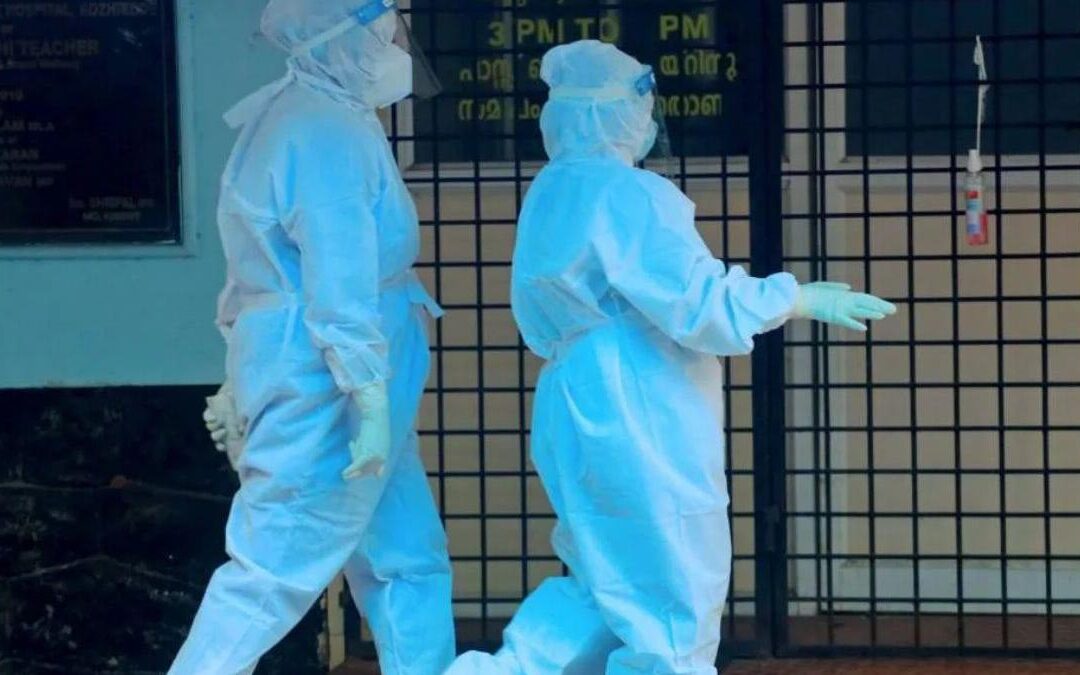
The Kerala government has sought to calm public concerns over recent Nipah virus and Shigella infection cases, asserting that both situations remain under control and are being closely monitored by health authorities.
Addressing reporters on Sunday, Health Minister K Muraleedharan said the state health department is maintaining strict surveillance and has activated necessary precautionary measures to prevent any escalation. According to the minister, one patient suspected of being infected with the Nipah virus is currently on ventilator support. However, extensive testing and contact tracing efforts have not revealed signs of a wider outbreak so far.
On the Shigella situation, Muraleedharan stated that 135 cases have been reported across the state. Three fatalities linked to the bacterial infection, including two children and a 59-year-old woman, have been recorded. Despite the deaths, he maintained that the situation is under control and that all medical protocols are being followed.
“We are continuously monitoring both Nipah and Shigella cases and taking all necessary steps to ensure public safety,” the minister said. Meanwhile, the state’s disease management strategy has become the subject of political debate, with Opposition leader Pinarayi Vijayan questioning the government’s handling of the situation.
Vijayan compared the current response with measures adopted during previous Nipah outbreaks, arguing that health authorities had earlier maintained stronger on-ground coordination in affected regions.
The opposition leader also raised concerns over the government’s decision to transfer the Director of Health Services (DHS) during an ongoing public health challenge. He suggested that replacing a senior official at such a critical juncture could disrupt continuity in disease-control efforts. Defending his criticism, Vijayan questioned the timing of the administrative reshuffle and argued that stability within the health department is crucial during outbreak management.
The transfer of the DHS has since become a political flashpoint, with the opposition alleging that administrative decisions may have affected the efficiency of the state’s response mechanisms. Despite the political exchanges, health officials have reiterated that surveillance systems remain active and that there is no cause for panic among the public. Authorities have urged citizens to follow health advisories and cooperate with precautionary measures as monitoring continues across the state.