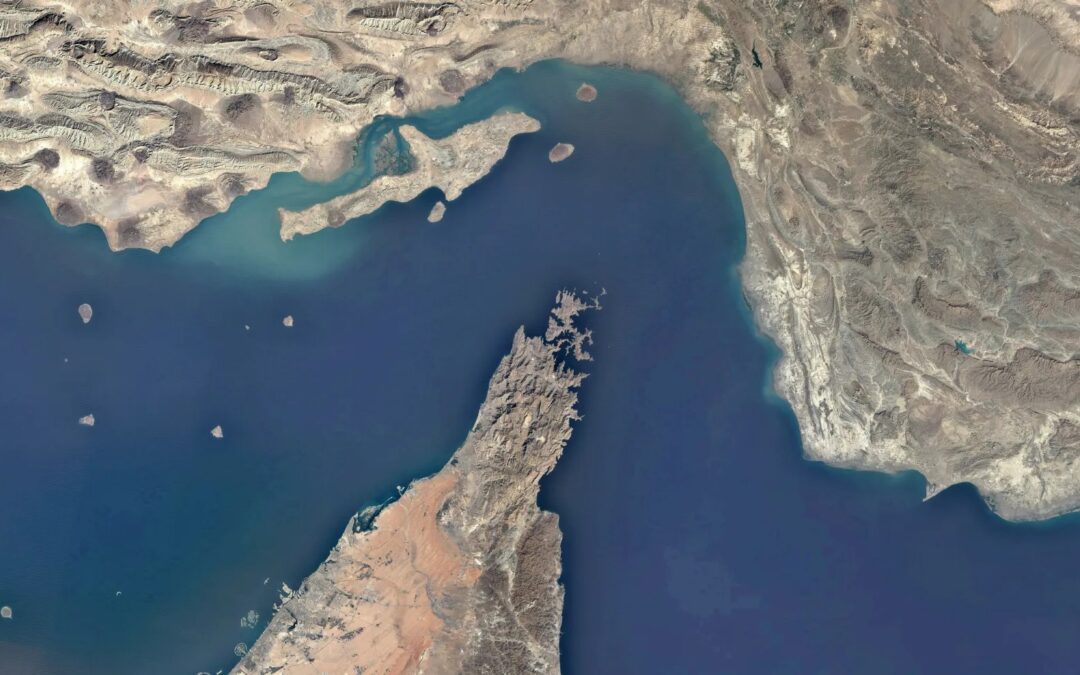
Iran has reaffirmed its intention to maintain restrictions on the Strait of Hormuz, declaring that it will not resume negotiations with the United States while American military operations continue in the region.
Speaking on state television, Deputy Foreign Minister Kazem Gharibabadi said Tehran would not be the first to return to diplomatic talks, accusing Washington of undermining earlier negotiations through renewed military action.
According to Gharibabadi, Iran remains committed to diplomacy in principle but believes it was the United States that disrupted the negotiation process. He said Tehran would not alter its position on the Strait of Hormuz or relax the restrictions it has imposed there, adding that Iran intends to exercise what it described as its full sovereignty over the strategic waterway.
Separately, Iran’s Islamic Revolutionary Guard Corps (IRGC) issued a statement declaring that the Strait of Hormuz would remain closed “until the end of America’s evils” and warned that other oil and gas export routes serving the interests of the United States and its allies could also face disruption.
The statements come after the United States reimposed a blockade on Iranian ports, reversing a measure that had been lifted in June following an interim agreement providing a 60-day window for negotiations on Iran’s nuclear programme and regional security. Those talks have since stalled amid escalating tensions around the Strait of Hormuz.
The renewed blockade followed another round of US strikes on Iranian targets. In response, missile alerts were issued in Bahrain and Kuwait after Iran launched attacks against countries hosting American military forces, according to US officials. The US Central Command said Iran fired multiple missiles and drones toward neighbouring Gulf states.
US Central Command Commander Admiral Brad Cooper said American forces were responding to what he described as continued Iranian aggression that threatened regional security.
Iran’s ambassador to the United Nations, Amir Saeid Iravani, rejected the US position, accusing Washington of escalating the conflict and describing the United States as the aggressor.
US President Donald Trump said he had abandoned plans to introduce a 20% transit fee on vessels using the Strait of Hormuz after Gulf nations proposed major investment commitments in the United States. However, he warned that additional US military action could follow if diplomatic negotiations do not resume.
The latest developments underscore the continuing deterioration in relations between Washington and Tehran, with tensions over the Strait of Hormuz remaining a major concern for global energy markets and regional security.