Iran’s chief negotiator and parliamentary speaker, Mohammad Bagher Ghalibaf, has declared that the Strait of Hormuz will remain under the administration of the Islamic Republic of Iran and will not return to its pre-war status.
Speaking on Tuesday, Ghalibaf stated that “the Strait of Hormuz will never return to its pre-war conditions and will be administered by the Islamic Republic of Iran,” underscoring Tehran’s position regarding one of the world’s most strategically important maritime passages.
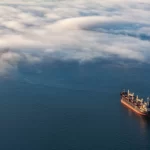
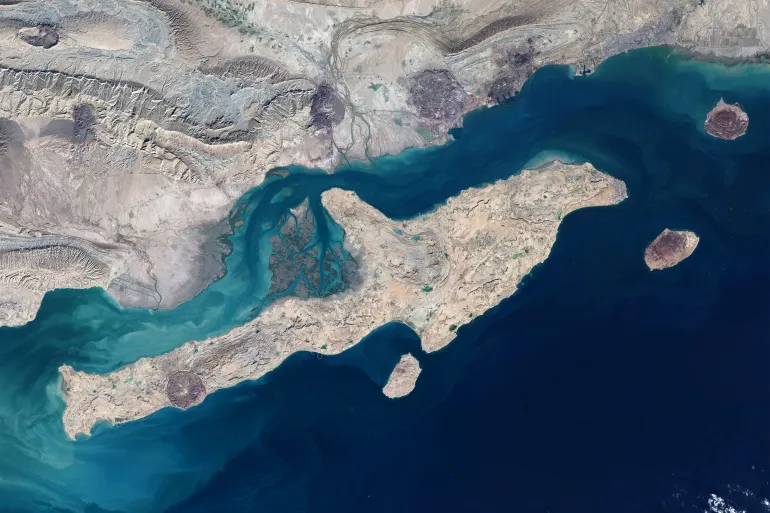
The Strait of Hormuz serves as a critical gateway connecting the Persian Gulf with the Gulf of Oman and the Arabian Sea. A significant portion of global oil and liquefied natural gas shipments passes through the narrow waterway, making developments in the region closely watched by energy markets and governments worldwide.
Ghalibaf also revealed that negotiations held in Switzerland led to the finalisation of an agreement for the release of approximately $12 billion in frozen Iranian assets. Speaking after returning from talks with US officials, he said the discussions produced progress on several issues, including maritime security.
According to Ghalibaf, Iran and the United States agreed to establish a communication mechanism concerning vessel movements through the Strait of Hormuz. The arrangement is intended to reduce the risk of misunderstandings, military confrontations, and security incidents in the sensitive maritime corridor.
Despite the reported progress, the Iranian official reiterated Tehran’s longstanding distrust of Washington. “We have never trusted the Americans; we don’t trust them now, and it is only reasonable to remain distrustful in the future,” he said.
Ghalibaf further claimed that Iran demonstrated its diplomatic influence during the negotiations by prompting the United States to revise a social media statement within an hour. The original post, attributed to US President Donald Trump, allegedly warned Iran against supporting regional proxy groups, including Lebanon-based Hezbollah.
The latest developments follow the signing of an interim agreement last week, more than three months after military hostilities erupted between Iran, Israel and the United States. The conflict began with attacks by the US and Israel on Iranian targets, followed by retaliatory strikes by Tehran against Israel and Gulf countries hosting American military bases.
The announcement signals that while diplomatic engagement has resumed, tensions over regional security, maritime navigation and broader geopolitical influence in the Middle East remain unresolved.