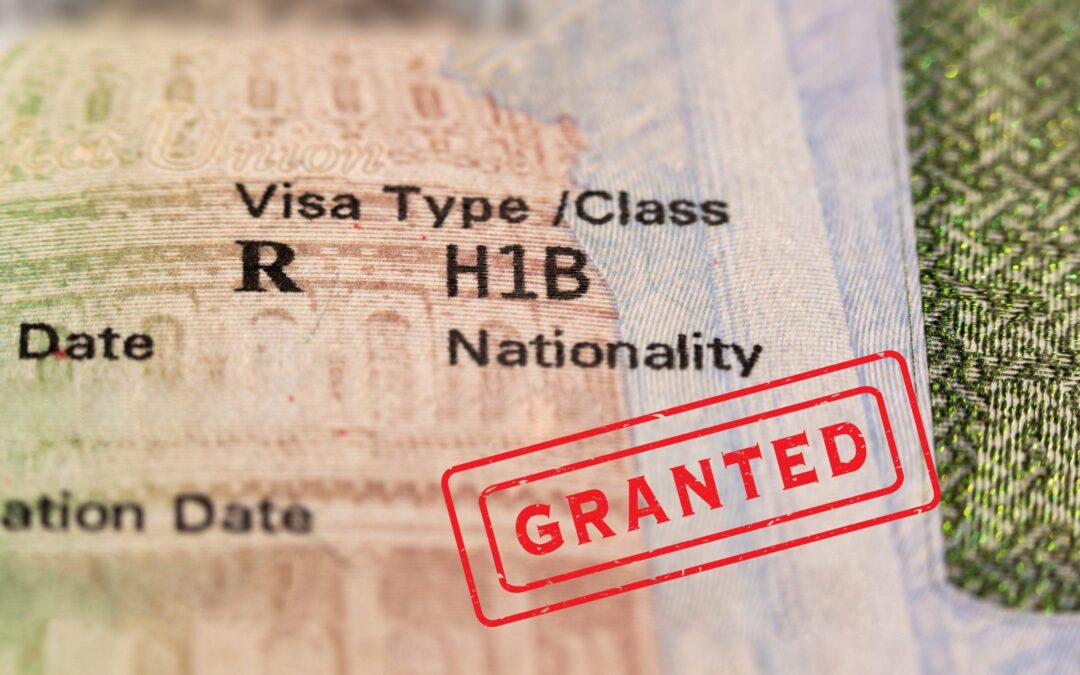
The ongoing debate over the steep $100,000 H-1B visa fee—introduced on September 21, 2025—has drawn sharp reactions, with immigration experts warning that the policy could hurt the United States more than it helps.
Xavier Fernandes, founder of India-based immigration firm Y-Axis, said the new fee risks pushing away some of the world’s most valuable talent. Speaking on a CBS News program focused on India’s IT sector, Fernandes described Indian professionals as critical to the global tech ecosystem.
“Indians are the new oil, coal, or gas—it’s brainpower that drives modern industries,” he said, arguing that such talent cannot be easily replicated domestically in the US. He pointed to Hyderabad as a major hub producing top-tier tech leaders and innovators.
Fernandes suggested that the rising barriers could lead many skilled Indians to remain in the country and contribute to India’s own growing tech ecosystem instead of seeking opportunities abroad.
The CBS report also featured Indian tech professionals expressing concern and disappointment. Rajesh Jaknalli, who has worked for a US-based tech company in Hyderabad for a decade, said moving to the US had long been a career goal. “We always believed that if we performed well, we might get that opportunity someday,” he said.
The issue has also sparked political and media debate in the US. Fox News host Laura Ingraham criticised the H-1B system, alleging it enables large-scale job displacement and wage suppression for American workers. She previously challenged former President Donald Trump on the need for foreign talent, arguing that the US already has sufficient skilled workers. Trump, however, maintained that certain specialised skills remain in short supply domestically.
Recent data from the US Department of Labor indicates that H-1B filings by major tech firms dropped significantly after the new fee came into effect. Companies such as Apple, Google, Meta, and Microsoft—among the largest sponsors of H-1B visas—reported notable declines in certified applications, with some seeing numbers fall by nearly half.
An exception to the trend is Nvidia. CEO Jensen Huang has indicated that the company will continue hiring H-1B workers despite the increased cost, with filings rising from 369 in the first quarter of 2025 to 434 in the same period in 2026.
Under the revised rules, the $100,000 fee applies to companies hiring foreign workers who are outside the US and must go through consular processing. However, employers hiring foreign nationals already in the US on other visas are exempt from this fee.
As the policy continues to stir debate, experts warn that restricting access to global talent could reshape hiring patterns and potentially shift innovation and growth opportunities away from the United States.