India and United Arab Emirates are working on a first-of-its-kind agreement aimed at facilitating the evacuation of Indian nationals through the port of Port of Fujairah during emergencies, amid continuing instability in West Asia.
The proposed pact is expected to be discussed during Prime Minister Narendra Modi’s stopover in Fujairah later this month before he travels onward to Europe. Modi is scheduled to depart on May 15 for visits to the Netherlands, Sweden, Norway and Italy.
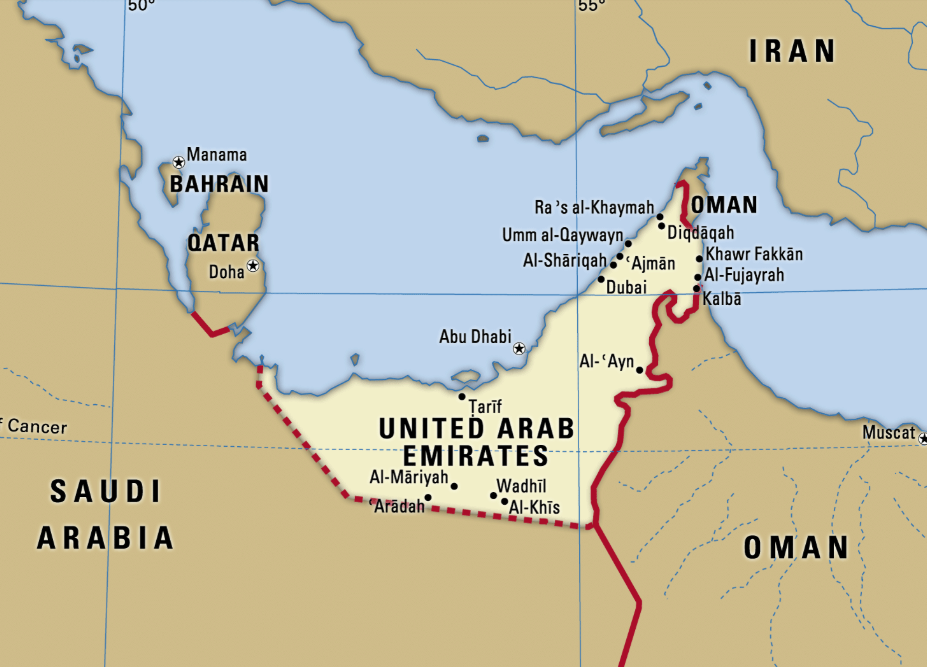
The agreement comes in response to disruptions caused by the ongoing regional conflict, which recently left thousands stranded across Gulf countries due to interruptions in air traffic. Officials believe the arrangement could prove crucial in future emergencies, particularly because Fujairah lies west of the strategically sensitive Strait of Hormuz, which has become a major chokepoint during the conflict.
Government estimates suggest that if air routes are disrupted, lakhs of Indian workers in the UAE could be evacuated by sea through Fujairah. Nearly 10 million Indians live and work across West Asia, including around 4.3 million in the UAE alone.
Fujairah has also gained significance as an alternative logistics hub after access to Dubai’s ports was affected by the conflict. Goods are increasingly being routed through Fujairah and Port of Khor Fakkan before being transported by road. The region was also expected to play an important role in the proposed India-Middle East-Europe Economic Corridor.
Officials noted that Iran has targeted Fujairah because of its growing strategic importance. Modi’s planned visit is therefore being interpreted as a signal of India’s support for the UAE during the ongoing regional tensions.
The development also comes amid changing geopolitical dynamics in the Gulf following the UAE’s reported exit from OPEC due to differences with Saudi Arabia. Analysts believe India could benefit from closer energy and trade ties with the UAE, particularly as Saudi Arabia continues to impose an “Asian premium” on crude exports.
Meanwhile, tensions surrounding the Strait of Hormuz remain high despite ceasefire efforts. Iran has reportedly responded to a recent US peace proposal related to maritime access and sanctions relief, although Tehran has not publicly indicated whether it will accept the plan.
US President Donald Trump has continued to increase pressure on Iran, while Tehran warned Britain and France against deploying additional naval forces to the region. The UAE and Kuwait also reported intercepting hostile drones on Sunday, underscoring the fragile security situation in the Gulf.