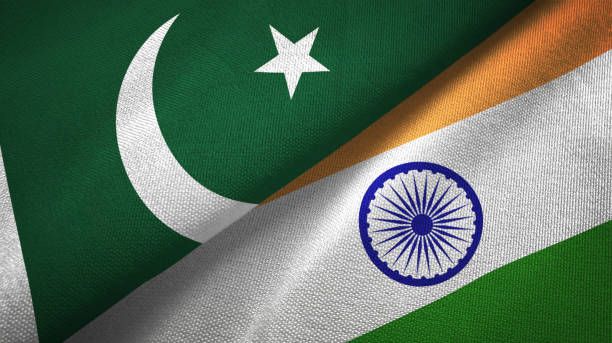
India strongly criticised Pakistan during the 62nd Session of the United Nations Human Rights Council (UNHRC), accusing its neighbour of promoting terrorism as a matter of state policy and using international forums to divert attention from its own domestic challenges.
Speaking during India’s right of reply at the UNHRC, Anupama Singh, First Secretary at India’s Permanent Mission to the United Nations, firmly rejected allegations made by Pakistan and the Organisation of Islamic Cooperation (OIC) concerning Jammu and Kashmir.
In a sharp rebuke, Singh described Pakistan as a “Frankenstein state” that had nurtured and supported terrorism for years and was now confronting the consequences of its own policies.
“This is the country where the sitting defence minister boasts of hosting, training and deploying terrorists as a state policy, and yet Pakistan calls itself a victim of terrorism. It is a living example of a Frankenstein state, which is shocked when its own monster bites back,” Singh said.
India also dismissed references made by Pakistan and the OIC regarding Jammu and Kashmir, calling them baseless and politically motivated. According to Singh, Islamabad repeatedly raises the Kashmir issue on international platforms to distract attention from its internal problems and record on terrorism.
Reaffirming India’s long-standing position, she stated that Jammu and Kashmir is an integral and inseparable part of the country.
“Jammu and Kashmir was, is and will always remain an integral and inalienable part of India. The only unresolved issue is Pakistan’s illegal occupation of Indian territories and their return,” she said.
India further accused Pakistan of misusing the OIC platform and attempting to spread misinformation about the situation in the region. Singh argued that such efforts would not alter the reality of Jammu and Kashmir’s constitutional status.
The Indian diplomat also highlighted concerns regarding the situation in Pakistan-occupied Jammu and Kashmir (PoJK), alleging human rights violations and repression in the territory. Referring to recent unrest in Rawalakot, Singh said the violence and civilian casualties reported there reflected the consequences of a system sustained through occupation and coercion. Her remarks came amid reports of a security operation in the region on June 14, during which protesters were allegedly dispersed by security forces.
According to the Jammu Kashmir Joint Awami Action Committee (JKJAAC), the operation resulted in the deaths of at least two people and left several others injured. The group also claimed that authorities-imposed communication restrictions and disrupted the movement of essential supplies following the crackdown.
India maintained that Pakistan’s repeated attempts to internationalise the Kashmir issue cannot change the facts on the ground and accused Islamabad of deflecting attention from developments in territories under its control.
The exchange marked another round of diplomatic sparring between the two countries at an international forum, with India reiterating its position on terrorism, territorial integrity, and the status of Jammu and Kashmir.