Amid surging global crude prices triggered by the ongoing US–Israel conflict with Iran, the International Energy Agency (IEA) has proposed its largest-ever coordinated release of oil reserves to help stabilise markets.
According to a report by The Wall Street Journal, the proposed release could exceed 182 million barrels of oil, the volume IEA member countries released in two separate rounds in 2022 after Russia launched its full-scale invasion of Ukraine.
The proposal was circulated during an emergency meeting of energy officials from the IEA’s 32 member countries on Tuesday, according to officials familiar with the matter. Member nations are expected to decide on the plan on Wednesday.
The release will proceed if no country objects, but even a single objection could delay the proposal.
Why the proposal matters
The IEA’s plan aims to offset supply disruptions caused by the near-total shutdown of the Strait of Hormuz, a critical shipping corridor connecting the Persian Gulf and the Gulf of Oman.
Roughly one-fifth of the world’s oil supply passes through the strait daily. However, fears of tanker attacks by Iran have significantly reduced shipping activity in the region.
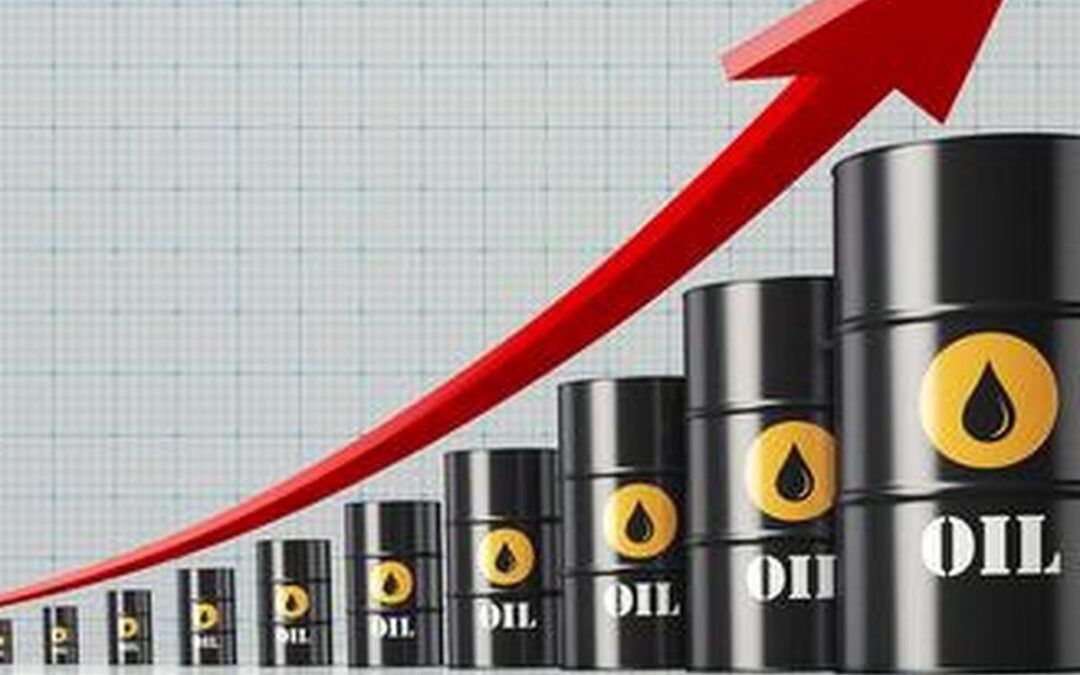
Since February 28, when the United States and Israel began strikes on Iran, crude oil prices have surged by nearly 40%, briefly crossing the $100-per-barrel mark. Prices eased slightly this week, dropping below $84 per barrel, as traders monitored statements by US President Donald Trump about the possible duration of the conflict. Diesel prices, however, have continued to rise.
Global reserves and past releases
IEA Executive Director Fatih Birol said member countries currently hold around 1.2 billion barrels in public oil stocks, along with 600 million barrels in mandatory commercial inventories. Combined, these reserves could cover approximately 124 days of supply disruptions from the Gulf region.
The agency previously coordinated two large releases in 2022 following Russia’s invasion of Ukraine. However, that move initially pushed oil prices higher by nearly 20%, as traders interpreted the action as evidence that the crisis was more severe than expected.
One of the earliest coordinated releases occurred in 1991, when US President George H. W. Bush authorised the first-ever drawdown of the US Strategic Petroleum Reserve during Operation Desert Storm against Iraq. IEA member countries also released oil under a coordinated emergency plan at the time.
Oil prices dropped by more than 20% on the first day of the US-led assault, and by the time coalition forces advanced into Iraq and Kuwait in February, oil from the strategic reserves had already begun reaching global markets.
About the IEA
The International Energy Agency was established in 1974 in the aftermath of the Arab Oil Embargo, when Western nations sought to improve coordination on energy security.
The organisation sets guidelines on the minimum oil reserves member countries must maintain and coordinates emergency stock releases to stabilise markets during major supply disruptions.