
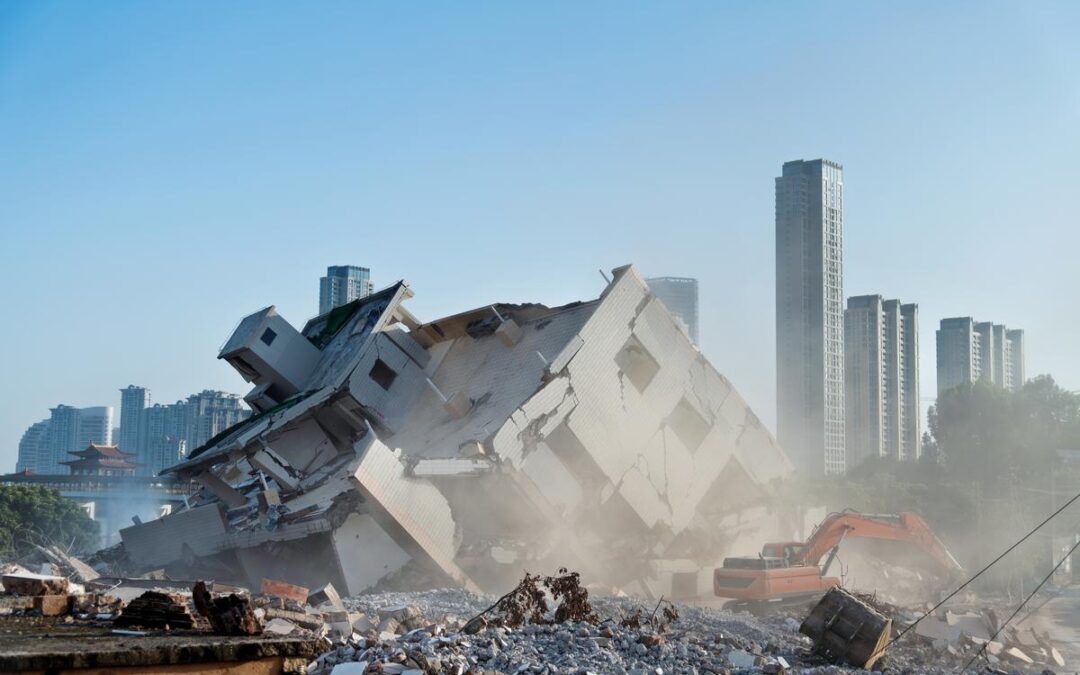
In less than three months, a series of building and structural collapses across Delhi has claimed 22 lives and left at least 27 people injured, raising serious concerns over the safety of ageing and dilapidated buildings, unauthorised construction and weak enforcement of building safety regulations in the capital.
The casualties were reported in six major building-collapse incidents since September. The first occurred on September 6, when a building in Satya Niketan collapsed, killing seven people and injuring five others. In October, structural collapses claimed six lives and left eight people injured. The toll rose further in November, with nine people killed and 14 injured in building-collapse incidents reported up to November 17.
Former Delhi Fire Service chief Atul Garg attributed building collapses primarily to two factors. The first is the absence of proper structural assessments before construction. Buildings are often erected in haste without adequately evaluating the strength and stability of the structure.
“Builders often fail to pay attention to critical aspects, such as whether lintels have been properly installed and whether the supporting materials have sufficiently dried and settled before further construction is undertaken,” he said.
The second major factor is water seepage, which gradually weakens a building’s structural integrity. Garg said property owners frequently overlook signs of seepage and fail to carry out timely repairs and maintenance. As a result, the damage worsens over time, increasing the risk of structural failure or collapse.
The scale of the problem is also reflected in Delhi Fire Service (DFS) data. According to the department, it received 396 calls related to house collapses up to October 26. The situation was similarly concerning in 2025, when the department received more than 500 such calls.
Professor V K Paul, director of the School of Planning and Architecture, said building collapses could be attributed to several factors, including inadequate architectural and structural design. He pointed out that buildings are often constructed without following established procedures or involving qualified engineers and contractors.
Another contributing factor is the alteration of structures after construction, which can compromise their stability. Paul said older buildings rarely collapse without warning and generally exhibit signs of structural distress over time. Identifying these warning signs and addressing them promptly is therefore crucial to preventing disasters.
He also highlighted the role of soil conditions, noting that the presence of water beneath or around a building can weaken the ground and affect its foundation, potentially resulting in subsidence. Similarly, construction activity carried out without assessing its impact on neighbouring structures can undermine the stability of existing buildings.
Emphasising the need for a preventive approach, Paul called for a graded building inspection system to assess structural conditions, identify buildings showing signs of distress and prioritise them for timely repairs and necessary interventions. Such a system, he said, could help identify vulnerable structures before they become a threat to public safety.