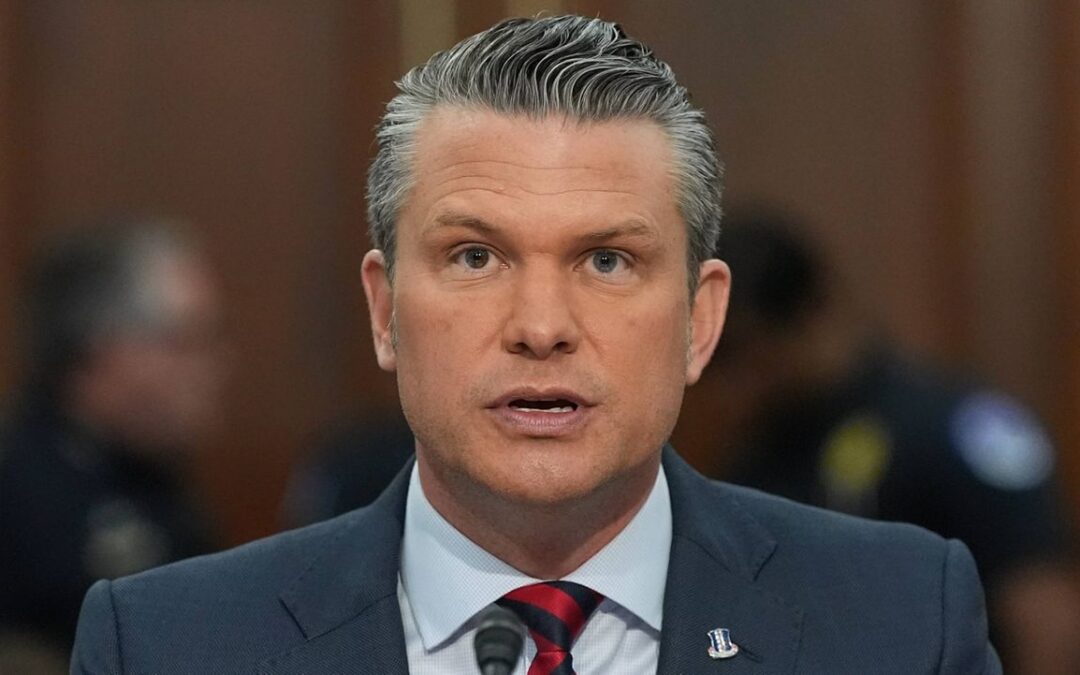
US defense secretary Pete Hegseth defended President Donald Trump’s proposed $1.5 trillion military budget for 2027 before House and Senate lawmakers on Tuesday.
The hearings focused heavily on the growing cost of the Iran war, the strain on US weapons stockpiles and the administration’s long-term military strategy in the region.
Strait of Hormuz Disruption Adds Economic Pressure
The hearings took place as the Trump administration faced mounting economic pressure linked to Iran’s effective closure of the Strait of Hormuz, a critical shipping route through which around 20% of global oil supplies normally pass.
Hegseth told lawmakers that the ceasefire with Iran remains in effect despite recent exchanges of fire.
During Senate testimony, one Democratic lawmaker warned that the administration may have achieved “tactical successes” while risking a broader “strategic loss.”
Iran War Cost Rises to Nearly $29 Billion
Pentagon officials informed Congress that the cost of the Iran conflict has now reached nearly $29 billion, up from the earlier estimate of $25 billion released less than two weeks ago.
Pentagon comptroller Jay Hurst said approximately $24 billion of the total is being spent on replacing munitions and repairing military equipment.
The remaining costs are tied to operational expenses for deployed forces. The estimate does not yet include the cost of repairing or rebuilding damaged US military facilities in the region.
Concerns Over US Weapons Stockpiles
Lawmakers from both parties questioned whether the ongoing conflict was weakening US military readiness and depleting weapons supplies.
Hegseth rejected suggestions that American stockpiles were under severe strain. However, he acknowledged that the administration is moving to accelerate weapons production to support the current conflict and future military operations.
Major Spending Priorities in Proposed Budget
The proposed 2027 defense budget includes:
- $750 billion for the “Golden Dome” missile defense system
- $102 billion for aircraft procurement, research and development
- Nearly $75 billion for drone and counter-drone technologies
- $65 billion for construction of 18 Navy warships and 16 support ships
Trump Calls for Historic Military Expansion
In January, Trump said he wanted the US military budget increased by half to reach $1.5 trillion.
In a post on Truth Social, Trump said the larger budget would help create what he described as a “Dream Military” capable of keeping the United States “safe and secure.”
He also said the spending increase would be partly funded through revenues generated by tariffs introduced since his return to office.
Budget Plan Relies on Republican Reconciliation Strategy
The administration plans to allocate about $1.1 trillion for defense through the standard congressional appropriations process.
Another $350 billion is expected to come through budget reconciliation, a legislative mechanism that would allow Republicans to pass spending measures without Democratic support in the Senate.
Concerns Grow Over US Debt and Deficits
The proposal arrives at a time when the United States is facing annual budget deficits approaching $2 trillion and a national debt exceeding $39 trillion.