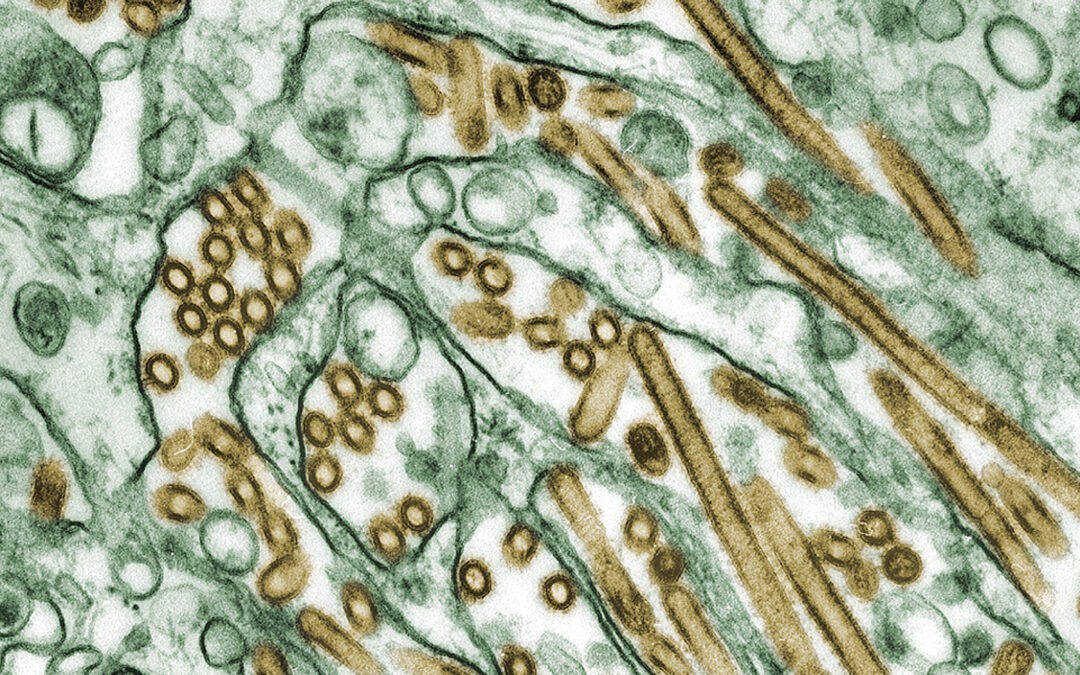
In Tumakuru district, the sudden deaths of over 44 peacocks between April 16 and 21 have been confirmed as cases of H5N1 avian influenza—a strain of bird flu known for causing outbreaks worldwide. The confirmation by ICAR-NIHSAD on April 29 has prompted heightened surveillance and containment measures across the region.
While the deaths are alarming, they also serve an important purpose: early warning. Wild bird die-offs often indicate that a virus is circulating silently in the environment before being detected.
Why bird deaths matter
Peacocks and other wild birds can act as sentinels for zoonotic diseases—illnesses that can jump from animals to humans. According to the National Centre for Disease Control, most human infections with avian influenza have historically been linked to close contact with infected birds or contaminated surroundings.
This is why even a local outbreak triggers national-level monitoring. It’s less about immediate danger and more about preventing spillover.
How H5N1 affects humans
Human infection with H5N1 is rare, but when it occurs, it can be serious. Early symptoms resemble seasonal flu—fever, cough, sore throat, and body aches. In severe cases, the illness can progress to pneumonia, breathing difficulties, and acute respiratory distress.
The World Health Organization notes that most global cases have involved direct or prolonged exposure to infected poultry or bird droppings. Human-to-human transmission remains extremely limited, which significantly lowers the risk of widespread outbreaks.
What authorities are doing
Karnataka has moved quickly to contain the situation:
- A 0–3 km infected zone and 3–10 km surveillance zone have been established
- Around 38 villages and 20,000+ residents fall under monitoring
- Rapid Response Teams are tracking Influenza-Like Illness (ILI) and Severe Acute Respiratory Infection (SARI) cases
- Forest officials are reporting all unusual bird deaths
- Sensitive ecological areas like Kokkarebellur Community Reserve are under watch
These measures aim to detect any human cases early and prevent further spread among birds.
What people should do
For the general public, the immediate risk remains low. Still, basic precautions are important:
- Avoid handling sick or dead birds
- Wash hands frequently with soap
- Ensure poultry and eggs are thoroughly cooked
- Report unusual bird deaths to authorities
There is no need for panic—but awareness and caution are essential.
The bigger picture
This outbreak highlights how closely linked wildlife health, ecosystems, and human safety are. Viruses like H5N1 often begin quietly in animal populations but can escalate if ignored. Early detection—like the peacock deaths in Tumakuru—offers a critical window to act before risks grow.