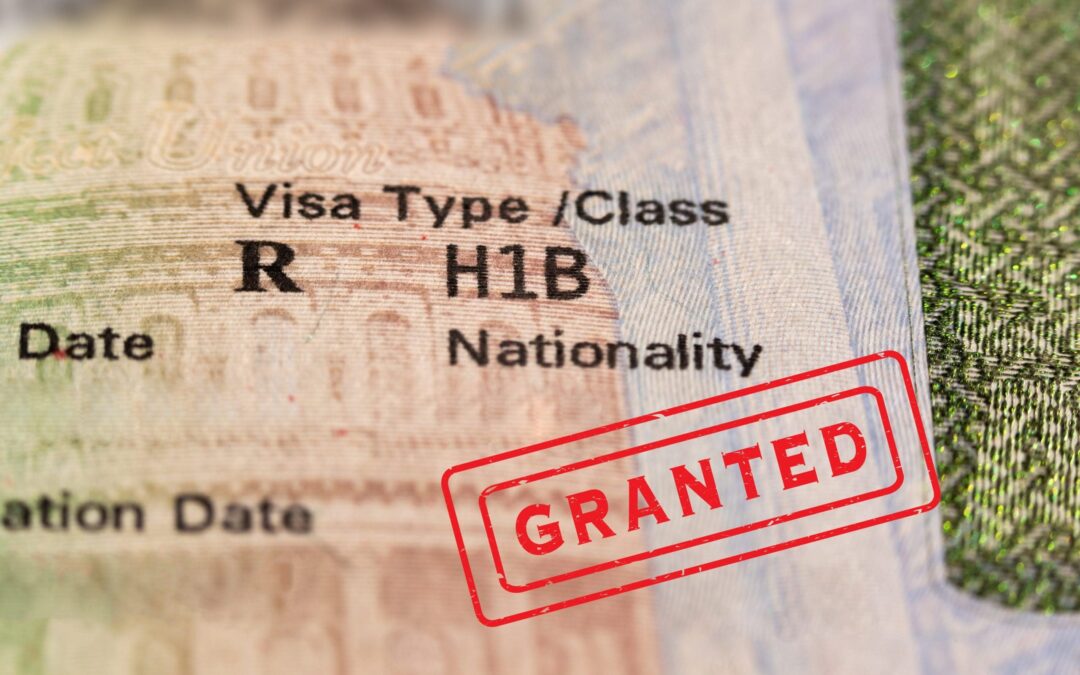
The H-1B visa registration process for FY27, which closed on March 19, has seen a sharp decline of 30% to 50% compared to last year, according to immigration attorneys. The drop reflects growing employer caution amid rising visa costs and a major overhaul of the lottery system that now prioritises wage levels over volume of applications.
In FY26, the US Citizenship and Immigration Services (USCIS) had received 336,153 eligible registrations, significantly higher than this year’s estimates.
Who is benefiting from the new system
According to a report by Economic Times, the revised framework is reshaping who gets selected:
- Mid-tier IT firms willing to offer higher salaries for specialised talent
- Smaller companies that were previously overshadowed by bulk filings from large outsourcing firms
- US-based master’s degree graduates, who now enjoy a stronger advantage under wage-based prioritisation
Shilpa Malik, managing attorney at VisaNation Law Group, said the changes have levelled the playing field:
“Earlier, smaller firms were discouraged by reduced odds due to mass filings by large outsourcing companies. Now, they have a fair chance at securing talent.”
What it means for the industry
The shift signals a broader structural change in H-1B hiring trends:
- Large outsourcing companies may lose their traditional dominance
- Mid-sized firms could gain ground by focusing on high-skilled, well-paid roles
- Advanced degree holders in the US are likely to benefit the most
The cost of filing H-1B petitions—estimated at around $100,000 for fresh applications—has also contributed to the decline, prompting companies to be more selective.
Bigger picture
The fall in registrations highlights a transition from quantity-driven filings to quality-focused selection. While overall demand appears to have cooled, the new system is opening doors for smaller and mid-sized employers to compete more effectively for global talent, fundamentally reshaping the H-1B landscape.