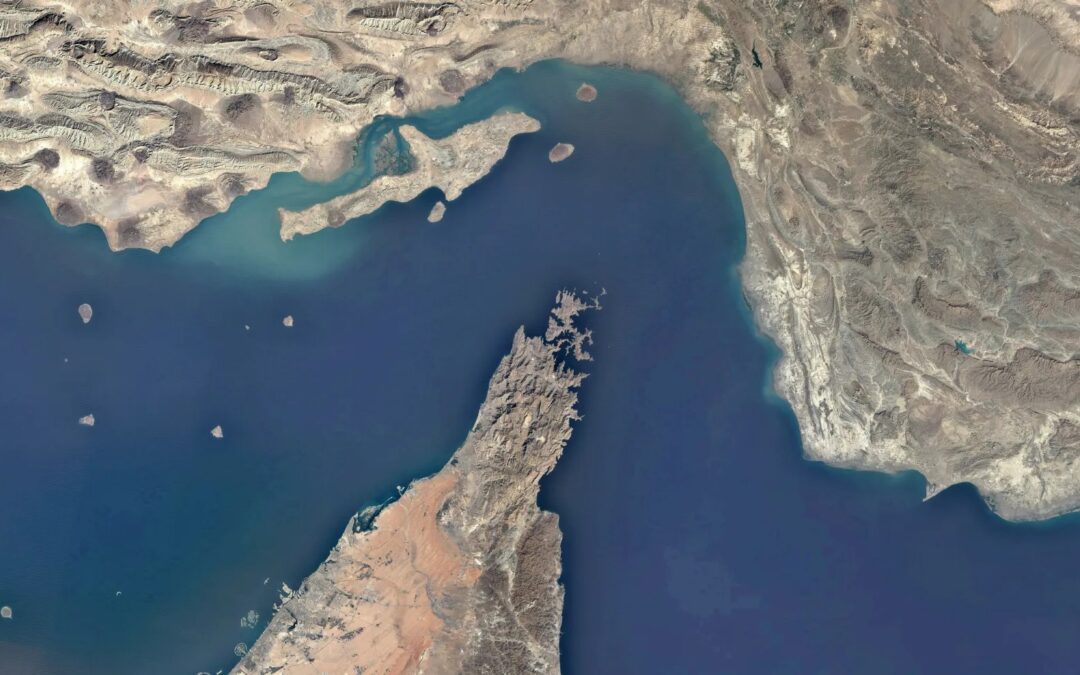
Last week, constrained passage through Hormuz was the story. This week, the cost of moving through it has become the louder one. Tanker availability has tightened dramatically as Gulf flows, security concerns and disrupted alternatives compete for the same ships, with some VLCC employment reportedly exceeding USD 1 million per day. A tanker was also struck in the Strait earlier this week, injuring crew members, while reports of a possible phased U.S.-Iran arrangement to reopen Hormuz have supplied diplomacy without yet supplying normality. For owners of elderly tankers, the calculation has become unusually simple. A ship earning extraordinary money is not a recycling candidate.
Crude spent much of the week reacting to every suggestion that more Gulf supply could move. Brent fell below USD 100 as reports emerged of possible progress on Hormuz and renewed Saudi export options, before recovering toward USD 106 on Friday, while WTI traded around USD 94. The barrel has therefore eased from the panic of recent weeks without returning to anything resembling pre-conflict conditions. Oil remains expensive, routing remains complicated and tanker scarcity is translating geopolitical risk directly into freight.
Dry freight, meanwhile, strengthened again. The Baltic Dry Index reached 3,473 on Thursday, with Capesizes at 5,939, Panamaxes at 2,382 and Supramaxes at 1,782. Capesize earnings remain particularly healthy, while the geared sectors have also held comfortably above levels that would normally encourage owners toward an exit. Last week’s message therefore advances rather than changes: owners were being paid to trade; this week some tanker owners are being paid exceptionally well to trade. Candidate supply has responded accordingly.
Currencies have offered recyclers little compensation. The Indian Rupee sits around 96.0 against the Dollar, Pakistan’s Rupee has strengthened marginally to approximately 277.17, and Bangladesh Bank’s latest reference rate is around 123.18. The Turkish Lira has moved the wrong way again, toward 49 to the Dollar. The Federal Reserve’s 25 basis-point increase to a 3.75% to 4.00% range is now being absorbed rather than newly priced, leaving local steel and vessel availability as the more immediate recycling variables.
At the beaches, the contrast between physical activity and fresh supply has become sharper. Previously secured vessels continue to arrive and deliver across Chattogram, Alang and Gadani, including several Chattogram deliveries on publication day. Yet no fresh market sales are reported this week. Last week’s candidate list was already struggling to replenish itself; the extraordinary tanker market has now removed another category of potential sellers from serious recycling discussion. The waterfront is working through yesterday’s purchases. Today’s owners are finding better employment elsewhere. This continues directly from Week 38, when GMS noted that physical activity was outpacing fresh transactions and owners were still being paid to trade rather than recycle.
Pakistan therefore retains the lead, although the frantic August premium has disappeared. Bangladesh has steadily rebuilt appetite and now needs ships more than another reason to buy them. India remains well behind on conventional units but continues to make specialist and compliance-sensitive tonnage pay. Above all three sits an increasingly stubborn owner. Tankers are earning extraordinary money, dry ships are earning good money, and second-hand alternatives remain open. The breakers have the appetite. The trading market has the ships.
Source: GMS,Inc